Furnace Replacement in Lyndon, KS
All Seasons Air Conditioning and Heating explains furnace replacement in Lyndon, KS, covering decision criteria, efficiency and sizing considerations, and how different brands compare. Our guide delves into AFUE ratings, load calculations, duct integrity, and common equipment features that impact comfort and long-term costs. We detail the replacement process from initial estimate to commissioning, including permits, installation steps, and post-install follow-up. Financing, rebates, and warranties are clearly outlined, along with realistic timelines and planning tips to minimize disruption and ensure reliable, energy-efficient operation in Lyndon homes.
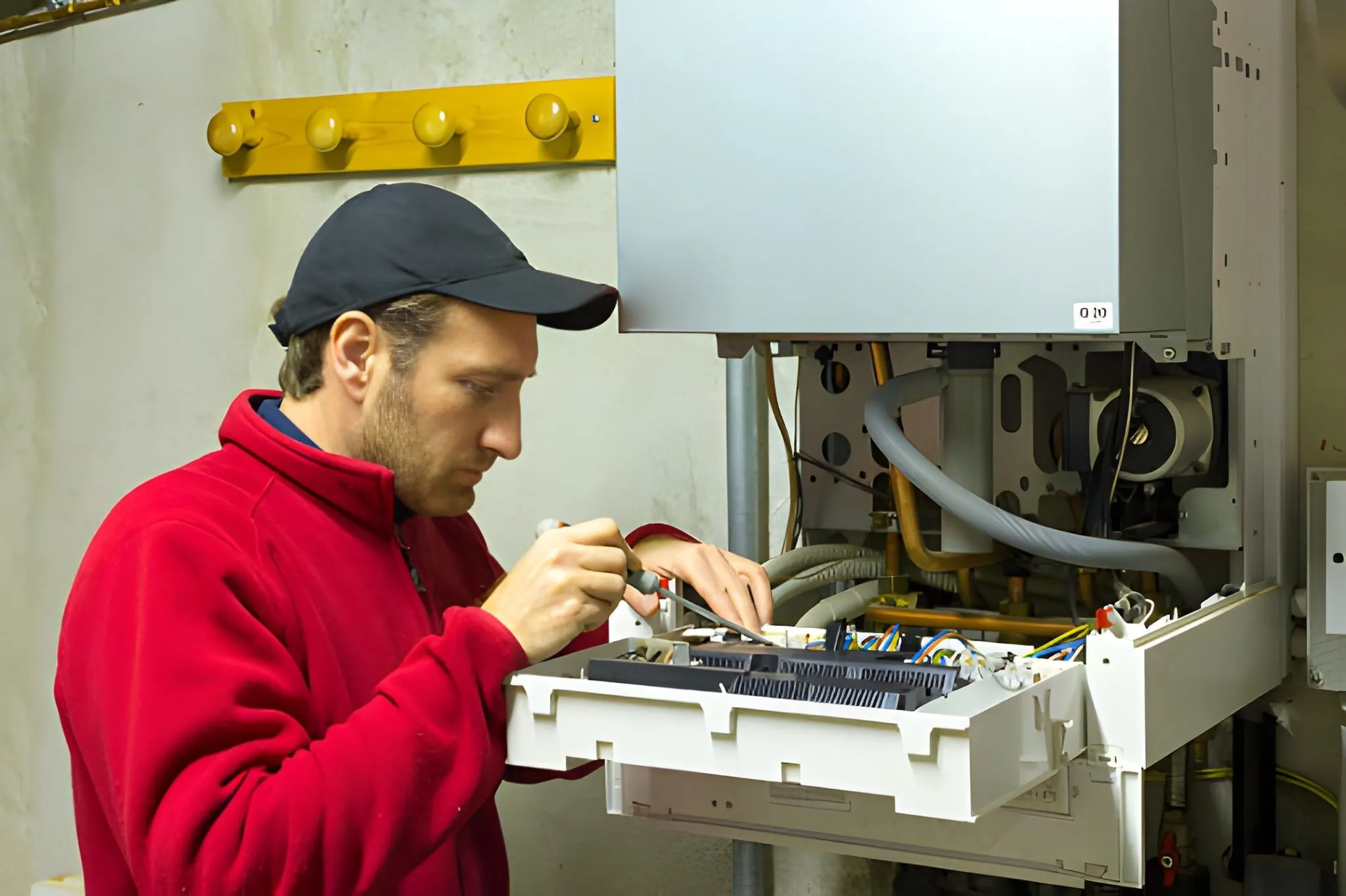
Furnace Replacement in Lyndon, KS
Replacing a furnace is one of the most important decisions a homeowner can make for comfort, safety, and long-term energy savings. In Lyndon, KS, winters bring prolonged cold stretches and frequent temperature swings that put stress on aging heating systems. This page explains how to know when a replacement is right, what to consider for efficiency and sizing, how different brands and models compare, what the replacement process looks like from estimate to commissioning, and what financing, rebates, warranties, and timelines you can expect for furnace replacement in Lyndon, KS.
Why replace your furnace now
Older or poorly performing furnaces cost more to operate, produce uneven heat, and can fail during the coldest days when you need heat most. Replace the furnace if you notice:
- Frequent breakdowns or increasing repair frequency and costs
- Short cycling (turning on and off rapidly) or long runtime with limited heat
- Rising energy bills despite similar usage patterns
- Uneven temperatures from room to room or cold spots
- Yellow or irregular burner flame, excessive soot, or pilot issues
- Loud noises not fixed by normal service or safety sensor activations
- Furnace age over 15 to 20 years (modern furnaces are more efficient and reliable)
In Lyndon winters, even small efficiency gains translate into meaningful comfort and cost improvements because the system runs for long periods.
Energy efficiency and sizing: AFUE, load calculations, and duct considerations
Choosing the right efficiency and size matters more than picking the highest AFUE number.
- AFUE explained: AFUE (Annual Fuel Utilization Efficiency) measures how well a furnace converts fuel into heat over a heating season. Modern gas furnaces commonly range from about 80% AFUE (basic models) up to 98% AFUE (high-efficiency condensing units). Higher AFUE means lower fuel use for the same heat output, particularly useful in colder climates like Lyndon.
- Right-sizing with load calculations: A professional load calculation (Manual J) estimates your home’s heating needs based on square footage, insulation, windows, orientation, and local climate. Right-sizing avoids oversized units that short cycle and undersized units that fail to maintain temperature.
- Distribution matters: Duct condition, duct leakage, and blower sizing impact delivered comfort more than furnace BTU rating alone. Sealing and balancing ducts, or upgrading to a variable-speed blower, can dramatically improve comfort and lower operating costs.
- Fuel type: Whether your home uses natural gas, propane, or electric resistance heating affects furnace type and efficiency options. Confirm fuel availability and distribution before selecting equipment.
Common furnace types and feature considerations
When comparing models, focus on real-world features that affect comfort and lifecycle cost:
- Single-stage vs two-stage vs modulating burners: Two-stage and modulating burners run at lower output most of the time for steadier temperatures and reduced cycling. Modulating systems offer the best comfort but at higher upfront cost.
- Induced-draft condensing vs non-condensing: High-efficiency condensing furnaces recover extra heat by condensing flue gases, achieving AFUE in the mid-90s. They require proper condensate handling and PVC venting.
- Blower type: Variable-speed blowers maintain even airflow, reduce noise, and work better with zoned systems.
- Controls and compatibility: Look for thermostats and controls that support zoning, humidity control, and smart scheduling if desired.
- Heat exchanger and construction: Durable heat exchangers and good component build quality extend service life and affect warranty options.
Brand and model comparisons
Brands differ in component design, warranty structures, local dealer support, and price tiers. When evaluating brands and models for Lyndon homes, consider:
- Local availability and dealer experience: Brand reliability depends on correct installation and local service. A well-supported mid-range brand can outperform a premium brand with poor local service.
- Efficiency options: Most major brands offer non-condensing and condensing models across AFUE tiers. Match the model to your home’s needs and budget.
- Features vs value: Higher-end models add modulation, variable-speed blowers, and integrated controls. Prioritize features that deliver daily comfort and efficiency for your household.Avoid choosing solely on brand reputation. Request comparisons that show the estimated seasonal operating cost based on Lyndon heating degree days for a fair apples-to-apples view.
The replacement process: estimate to installation
A professional replacement follows a methodical process:
- Visual inspection of existing furnace, ducts, flue, and fuel supply
- Manual J load calculation and Manual S equipment selection
- Discussion of efficiency targets, zoning, and duct repairs
- Clear scope: equipment model, AFUE, included changes to venting, thermostat, and ductwork
- Permits and code compliance requirements noted
- Ordering equipment, scheduling permits if required, and planning access
- Safe disconnect of utilities, removal and proper disposal of old equipment
- Inspection and repair of adjoining ducts or venting
- Proper venting, gas/electrical connections, and secure mounting
- System startup, combustion analysis (for gas furnaces), airflow tuning, and thermostat setup
- Demonstration of operation and documentation of settings and warranties
- Recommended follow-up inspection after initial run-in period to verify performance
Licensed installers will pull necessary permits and ensure the installation meets local building codes.
Financing and rebates (what to check)
Many homeowners use financing to spread upfront cost. Financing options commonly include lender programs and in-house plans through dealers. For rebates and incentives:
- Check utility rebates and state programs for high-efficiency equipment or home performance upgrades
- Look into federal tax credits or energy program incentives that may apply to high-efficiency installations
- Confirm eligibility rules and required documentation before purchase
Local Lyndon and Kansas programs can change, so verify current offers through your utility or local energy office prior to purchase.
Warranties and what to confirm
Furnace protection typically involves two warranties:
- Manufacturer warranty: Covers parts and sometimes the heat exchanger for a defined period. Terms vary by model and brand; some extended heat exchanger warranties or lifetime sections require product registration.
- Installer/contractor warranty: Covers workmanship and installation-related issues for a set period.Before you commit, confirm:
- Length and scope of parts warranty and what is excluded
- Whether labor for replacement parts is covered and for how long
- Requirements for product registration and routine maintenance to keep warranties valid
Timelines and what to expect
Typical timelines for a straightforward furnace replacement in a single-family home:
- In-home estimate: same-day or within a few days of scheduling
- Equipment lead time: can range from a few days to several weeks depending on model availability
- Installation day: a direct like-for-like replacement often takes a half-day to one full day. Complex changes (ductwork modifications, flue relocation, or conversion of fuel type) can extend the job to multiple days.
- Permit inspections: timing depends on local inspection schedules
Plan replacement before the coldest months to avoid delays and emergency service needs.
Benefits of timely replacement and routine care
Replacing an old furnace with the properly sized, efficient unit improves comfort, reduces fuel bills, lowers repair risk, and improves indoor air quality when paired with proper filtration. After replacement, regular maintenance keeps performance optimal and protects warranty coverage. In Lyndon’s climate, seasonal Tune-Ups before winter ensure dependable operation through extended cold periods.
Replacing a furnace is a long-term investment in comfort and safety. Prioritize accurate load calculations, sensible efficiency choices, and an installer experienced with Lyndon area homes to get the best performance and reliability from your new system.
Customer Testimonials
Service Areas