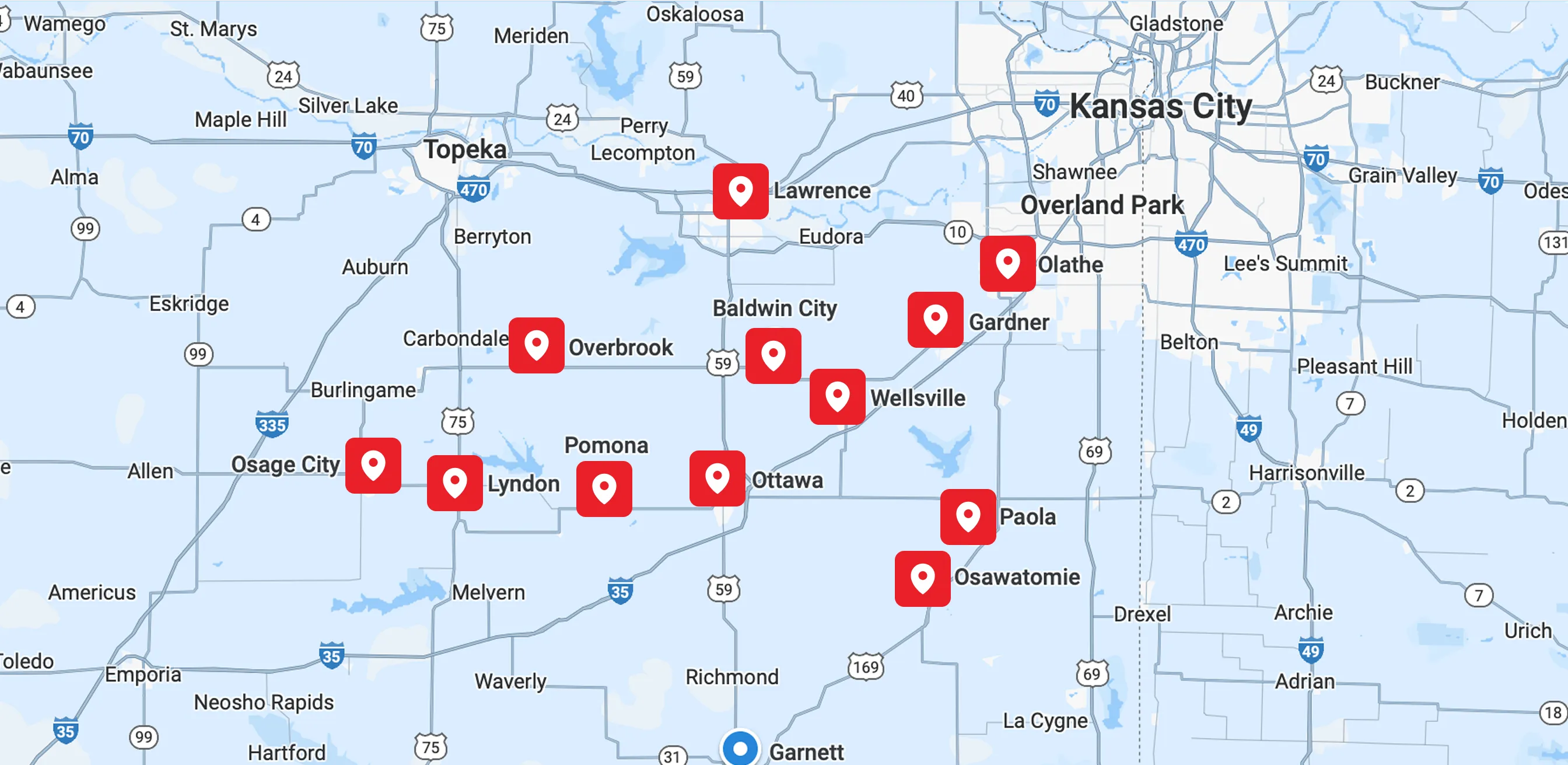
Air Filtration in Ottawa, KS

Dealing with Dust and Allergies in Your Ottawa Home
Walking into your home should feel like stepping into a clean, fresh sanctuary, but for many families in Ottawa, that is not the reality. Between the fine agricultural dust blowing off the surrounding Franklin County fields and the high humidity that rolls off the Marais des Cygnes River, your indoor air often carries more than you realize. If you find yourself sneezing the moment you sit on the couch or notice a persistent film of dust on your tables, your current filtration system is likely overwhelmed. All Seasons Air Conditioning, Heating & Plumbing is available to help you clear the air and restore comfort to your living space.
.webp)
Is Your Home’s Air Quality Affecting Your Health?
Many homeowners assume the air inside is naturally cleaner than the air outside because it is filtered by their HVAC system. In reality, modern homes are built so tight that they often trap pollutants like pet dander, volatile organic compounds, and microscopic dust particles inside. Without an advanced air filtration strategy, these irritants simply recirculate through your vents over and over again.
In a community like Ottawa, where we have a mix of historic Victorian houses and mid-century ranch homes, the challenges vary. Older homes often have ductwork that wasn't designed for high-efficiency filters, while newer homes lack the natural ventilation needed to flush out indoor pollutants. Our team focuses on identifying these specific vulnerabilities in your home to ensure you are breathing the cleanest air possible.
Signs Your Ottawa Home Needs Better Air Filtration
If you are constantly wiping down your surfaces only to find a new layer of gray silt the next morning, your filter is failing you. Most standard 1-inch filters are designed to protect the heavy machinery of your furnace, not the lungs of the people living inside the house. In our rural setting, the fine soil and agricultural particulates are often too small for basic filters to catch, allowing them to settle on your furniture and flooring.
This constant accumulation is a clear indicator that your system needs an upgrade to a high-capacity media cleaner. These systems capture significantly more microscopic debris before it ever reaches your living areas. Reducing this dust load also protects your sensitive electronics and keeps your home looking cleaner for longer periods.
Allergy and Asthma Symptoms That Worsen Indoors
It is a frustrating experience when you head inside to escape the high pollen counts of eastern Kansas only to find your symptoms getting worse. If you notice increased coughing, itchy eyes, or congestion, specifically when you are at home, the environment is likely saturated with triggers. Ragweed and native grasses are major contributors to local allergies, and these particles easily hitch a ride into your home on clothes and pets.
Once these allergens enter your ductwork, they become trapped in a loop, providing no relief for sensitive family members. A professional-grade air filtration system, such as a HEPA filter or an electronic air cleaner, can remove nearly all of these triggers from the air stream. Creating a true clean-air sanctuary is often the only way to get a good night's rest during peak allergy seasons.
Lingering Odors and Musty Smells
Odors that seem to hang in the air long after you’ve finished cooking or cleaning are a sign of poor air turnover and filtration. In Ottawa, the high humidity levels can also lead to a persistent musty smell, especially in older homes with basements or crawlspaces. These smells are often caused by airborne gases and microscopic organic matter that standard paper filters cannot address.
If you notice that your home smells like yesterday’s dinner or has a heavy, damp scent, it is time to look at advanced solutions. We often recommend charcoal-based filters or UV lights that work alongside your main filter to neutralize these odors at the molecular level. This ensures your home smells fresh without the need for masking sprays or candles that can actually add more chemicals to the air.
Visible Buildup on Vents and Registers
Take a close look at the supply vents in your ceiling or floor; if you see dark "ghosting" or fuzzy buildup around the edges, your filtration is being bypassed. This often happens in our local housing stock when the ductwork has small leaks or when the filter rack isn't sealed properly. Dust from attics or crawlspaces gets pulled into the system and blown directly into your rooms.
This buildup is not just unsightly; it is a sign that the interior of your HVAC system is becoming coated in grime. When the blower motor and cooling coils get dirty, the system has to work much harder to move air, which drives up your monthly utility bills. Addressing this now can prevent the need for more intensive Air Duct Cleaning later on.
What Is Causing Your Indoor Air Quality Issues?
The most common culprit for poor air quality is the use of cheap, low-efficiency filters found at big-box stores. These filters have a very low MERV rating, meaning the weave is loose enough for most dust, dander, and pollen to pass right through. While they are inexpensive, they do almost nothing to improve the health of your indoor environment.
In our area, these filters are especially ineffective against the fine agricultural dust that is part of life in Franklin County. We recommend moving to a deeper, 4-inch or 5-inch media filter that provides much more surface area. This allows the system to trap more debris without putting undue strain on your furnace or air conditioner.
Leaky and Aging Ductwork
Whether you live in a beautiful historic home near Ottawa University or a ranch-style house from the 1960s, your ducts may be working against you. Over decades, the seals on ductwork can dry out and crack, creating gaps that pull in dirty air from unconditioned spaces. This means your system is pulling in dust, insulation fibers, and moisture from your attic or basement before it even reaches your living room.
This unfiltered air bypasses your filtration system entirely, making even the best filter on the market less effective. During an air quality assessment, we check the integrity of your connections to ensure your system is only circulating air from your living spaces. Sealing these leaks is a critical step in maintaining a healthy home environment.
The Impact of High Local Humidity
The humidity in eastern Kansas doesn't just make it feel hotter; it also directly impacts your air quality by encouraging the growth of mold and dust mites. When indoor humidity stays above 50%, these biological pollutants thrive inside your ductwork and behind your walls. Standard filters are not designed to remove moisture, which is why stagnant air often leads to that classic musty Ottawa basement smell.
In many cases, filtration alone isn't enough to solve the problem if the air is too damp. We often find that pairing a high-efficiency filter with Whole House Dehumidifiers is the most effective way to keep the air crisp and clean. Controlling the moisture levels makes the air less hospitable to allergens and significantly improves your overall comfort.
What to Expect During Your Air Filtration Service Visit
When I arrive at your home, I start by talking to you about the specific issues you have noticed, such as persistent dust or family members with allergies. I will perform a thorough inspection of your current HVAC setup, looking specifically at the filter housing and the cleanliness of the blower compartment. I also take a look at your ductwork to see if there are obvious signs of leaks or bypass issues that are undermining your air quality.
I will explain the different levels of filtration available, from pleated media filters to electronic air cleaners that use static electricity to "grab" tiny particles. We don't use a one-size-fits-all approach because every Ottawa home has a different layout and different needs. I'll provide you with a clear explanation of how each option integrates with your existing equipment and what the expected maintenance will look like.
Once we decide on the best path forward, our team handles the installation with care, ensuring that the new filtration system is perfectly sealed. We take the time to show you how to change the filters and how often they should be done based on your household's specific conditions. All Seasons Air Conditioning, Heating & Plumbing takes pride in providing a clean, professional installation that leaves your home better than we found it.
Why Quality Filtration Is a Smart Investment
Ignoring poor air quality can lead to long-term issues that go beyond simple sneezing and dusting. When your air is filled with particulates, those same particles settle on the sensitive internal components of your HVAC system. A layer of dust on your cooling coils acts like an unwanted blanket, forcing the unit to run longer cycles and increasing the likelihood of an expensive AC Repair & Service call.
In Ottawa’s climate, your system is already working hard to combat the heat and humidity, so any extra strain can lead to premature equipment failure. By investing in better filtration, you are not only protecting your family’s health but also extending the lifespan of your furnace and air conditioner. It is a proactive way to keep your home running efficiently while avoiding the high costs of major system repairs.
Professional Air Quality Solutions for Ottawa Families
You deserve to breathe clean, healthy air every time you are inside your home. Whether you are dealing with the heavy pollen of a Kansas summer or the dry, dusty air of a cold winter, we have the tools and expertise to help. Our team understands the unique environmental factors of the Ottawa area and how they affect your home's indoor environment.
All Seasons Air Conditioning, Heating & Plumbing is committed to helping you find the right balance of filtration and ventilation for your specific needs. From high-efficiency media cleaners to advanced air purifiers, we have the experience to transform your indoor air quality. Contact us today to schedule a consultation and take the first step toward a cleaner, more comfortable home. All Seasons Air Conditioning, Heating & Plumbing is available to provide the expert service you need.
Customer Testimonials
Service Areas