Tankless Water Heater Installation in Wellsville, KS
Tankless water heater installation in Wellsville, KS by All Seasons Air Conditioning and Heating outlines the benefits of on-demand hot water, space savings, and reduced energy waste while ensuring full compliance with local codes. Our guide covers precise sizing to match peak household demand, crucial gas line and electrical requirements, proper venting and condensate management, and step-by-step installation procedures. We also address common local issues such as winter temperature impacts, mineral content, and essential proper maintenance. Our professional service ensures correct permits, thorough commissioning, and reliable operation with ongoing support for your peace of mind.
.jpeg)
Tankless Water Heater Installation in Wellsville, KS
Upgrading to a tankless water heater delivers on-demand hot water, reduced energy waste, and more space in your mechanical area. For homeowners in Wellsville, KS, a professional tankless water heater installation ensures the system is sized correctly for local weather, connected safely to your gas or electrical service, and installed to meet Kansas plumbing and mechanical codes. This page explains what a comprehensive installation looks like, common local considerations, and what you can expect from a professional service.
Why choose tankless in Wellsville, KS
- Eastern Kansas winters can produce colder incoming groundwater temperatures, increasing the required heater output for consistent hot water.
- Many Wellsville homes use natural gas, which supports high-capacity gas-fired tankless models; electric units are an option where service capacity allows.
- Kansas water chemistry can include notable mineral content; proper scale management prolongs unit life and performance.A correctly executed installation addresses these regional factors to deliver reliable year-round performance.
Common tankless water heater issues in Wellsville, KS
- Undersized units that cannot meet winter temperature rise requirements, causing reduced flow or cold spikes.
- Inadequate gas or electrical service leading to poor performance or unit lockouts.
- Improper venting or condensation handling that can cause corrosion or code violations.
- Scale buildup from hard water that reduces efficiency and triggers maintenance alerts.
Pre-installation site assessment and sizing
A professional installation begins with a detailed site assessment that includes:
- Reviewing existing fuel source: natural gas, propane, or electric, and confirming supply capacity.
- Measuring the peak simultaneous flow rate in gallons per minute (GPM) for fixtures you expect to run together (showers, dishwasher, laundry).
- Calculating required temperature rise: subtracting your local incoming groundwater temperature from the desired outlet temperature. In Wellsville winters, inbound water can be considerably colder, so the required BTU or kW output is higher.
- Inspecting venting options, mechanical room layout, and clearances.
- Checking for existing water-treatment equipment and recommending scale mitigation if needed.
Sizing is essential. Tankless units are rated by GPM at specific temperature rises. Your installer will match unit output to your household demand and local temperature conditions to avoid underperformance.
Gas line and electrical service requirements
- Gas-fired tankless heaters require adequate gas pressure and volume. Installation may involve upsizing or extending a gas line and confirming meter capacity. A professional will calculate BTU demand and ensure piping meets code.
- Electric tankless units draw significant amperage. Many homes need a substantial electrical service upgrade or dedicated circuits. Your installer will verify panel capacity and circuit configuration.
- For propane systems, proper tank capacity and delivery pressure checks are part of the pre-installation review.
Venting and condensation management
Venting choices depend on model type:
- High-efficiency condensing units often use PVC or specialized plastic venting and produce acidic condensate that must be managed with proper drainage and neutralizers.
- Non-condensing units typically require stainless steel or special category venting to handle higher flue gas temperatures.A compliant installation will size vent runs, maintain clearances, ensure proper termination location, and include condensate piping and neutralization where needed. In colder months, installers also plan freeze protection for exposed vent or condensate lines.
Professional installation steps
A full installation typically follows these steps:
Permits and code compliance
Proper installation complies with Kansas plumbing and mechanical code requirements and local Wellsville/Franklin County permitting rules. Professional installers obtain necessary permits, schedule inspections when required, and provide documentation to demonstrate code compliance. This protects safety, ensures insurance compatibility, and preserves warranty coverage.
System commissioning and testing
Commissioning confirms the system operates as intended:
- Flow verification at expected GPMs and temperature rise testing.
- Gas pressure and combustion checks for gas-fired units, confirming safe operation.
- Vent integrity and flue gas temperature checks.
- Electrical load verification for electric units, including circuit and breaker testing.
- Carbon monoxide testing in the area to confirm safe combustion venting where applicable.Technicians will clear error codes, document baseline performance, and record settings for future reference.
User orientation and maintenance recommendations
A thorough handoff includes:
- Demonstration of controls, sequencing, and any app or remote monitoring features.
- Explanation of indicator lights and common error codes.
- Guidance on what to do if performance changes or an alarm appears.Maintenance recommendations for Wellsville homes:
- Annual descaling or a maintenance flush, especially if water hardness is moderate to high.
- Regular inspection of vent terminations and condensate drains before winter.
- Periodic check of inlet filters and water softener effectiveness if installed.
- Prompt attention to any error codes, leaking fittings, or unusual noises.
Warranty registration and documentation
Most manufacturers require registration to activate full warranty benefits. Professional installers will provide documentation of installation, permit approvals, and commissioning tests that support warranty claims and future service needs. Keeping this paperwork accessible helps with any manufacturer support or resale documentation.
Long-term benefits and closing guidance
A correctly specified and installed tankless water heater in Wellsville, KS provides consistent hot water, improved energy efficiency, and a longer service life compared with conventional tanks when maintained properly. Addressing sizing, gas or electrical service, venting, and water quality issues up front reduces downtime and maximizes system reliability for your household. Regular maintenance, attention to local seasonal impacts, and adherence to code-compliant installation practices are the keys to dependable performance.
Customer Testimonials
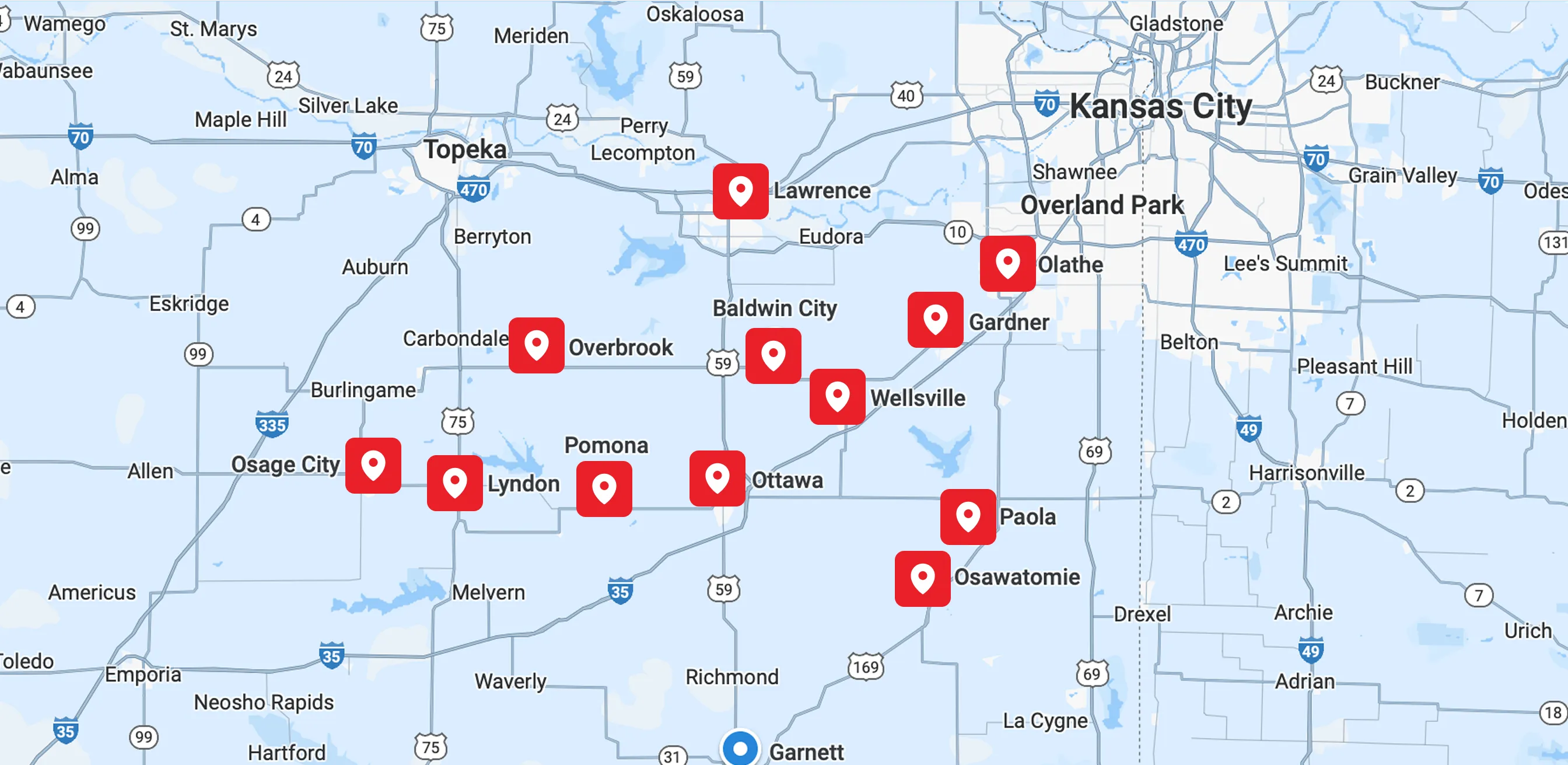
Service Areas