Tankless Water Heater Repair in Wellsville, KS
For Tankless Water Heater Repair in Wellsville, KS, All Seasons Air Conditioning and Heating provides fast, accurate diagnostics and lasting repairs tailored specifically to local conditions like hard water and winter freeze risks. Our guide outlines common failures, on-site diagnostic steps, typical parts replaced, and effective repair methods, with a strong emphasis on safety checks for both gas and electrical systems, and careful consideration of warranty terms. We also cover emergency or after-hours service, expected timelines, essential maintenance practices, and how using OEM parts helps protect the performance and longevity of your tankless system.
-min.webp)
Tankless Water Heater Repair in Wellsville, KS
When your tankless water heater stops delivering reliable hot water, it disrupts daily life quickly. Tankless Water Heater Repair in Wellsville, KS focuses on fast, accurate diagnostics and lasting repairs tailored to local conditions—hard water, seasonal freezes, and homes served by municipal or private well systems. This page explains common tankless failures in Wellsville-area homes, what technicians check on-site, typical parts replaced, repair timelines, safety inspections for gas and electrical systems, warranty considerations, and how emergency or after-hours service is handled.
Why timely tankless repair matters in Wellsville
Tankless systems heat water on demand and depend on precise gas, electrical, and water-flow components. Left unchecked, small faults (a fouled flow sensor or minor scale buildup) can cause reduced performance, repeated lockouts, or premature component failure. In Wellsville, KS, mineral-rich water and cold winters increase the risk of scale and freeze-related damage, so prompt diagnosis and repair protect efficiency and extend system life.
Common tankless water heater issues in Wellsville, KS
- Ignition problems: failure to light on demand due to faulty igniters, ignition control modules, or inadequate gas supply.
- Flow sensor faults: inaccurate flow detection causes intermittent heating or frequent error codes.
- Heating-element or burner issues: uneven heating, sputtering flame, or weak output from clogged or degraded burners.
- Scale buildup on heat exchangers: reduced heat transfer, poor performance, and overheating protections triggered by mineral deposits — common with hard municipal or private well water.
- Venting and intake obstructions: draft problems or blocked vents causing combustion issues and safety lockouts.
- Electronic/control board failures: error codes, intermittent operation, or complete non-response from control modules.
- Freeze or condensate problems: frozen condensate lines, damaged sensors, or cracked piping after sharp Kansas cold snaps.
On-site troubleshooting and diagnostic process
Field diagnostics balance speed with thoroughness to identify root causes without unnecessary parts replacement. Typical on-site steps include:
Diagnostics commonly require 30 minutes to a few hours on-site depending on access and complexity.
Typical parts repaired or replaced
Common parts involved in tankless repair include:
- Ignition modules and igniters
- Flow sensors and water-flow switches
- Thermistors and temperature sensors
- Burners and burner assemblies
- Heat exchanger descaling or replacement (depending on severity)
- Pressure relief valves, condensate drains, and fittings
- PCB/control boards and relays
- Gas valves and regulators
- Circulation pumps and check valves for systems with recirculationTechnicians prioritize OEM or manufacturer-approved components to preserve performance and warranty coverage.
Repair methods and solutions explained
- Ignition and control fixes: replace faulty igniters or control modules, verify wiring and software resets, and confirm consistent gas delivery.
- Flow-sensor replacement or cleaning: clear debris or replace sensors that no longer register properly.
- Descaling and heat-exchanger cleaning: mechanical or chemical descaling restores heat transfer in mineral-clogged systems; severe damage may require exchanger replacement.
- Burner cleaning and adjustment: remove soot and deposits, adjust air/gas mixture for efficient combustion.
- Venting repairs: clear or replace blocked vents and ensure proper draft and termination clearances to code.
- Electrical repairs: tighten or replace corroded connections, repair damaged wiring, and test breakers and fuses.
- Freeze damage repair: replace split pipes, damaged sensors, and restore insulation or freeze-protection elements.
Each repair concludes with a full functional check and safety verification.
Repair timelines and project flow
- Basic diagnostics: typically completed within one visit, often under an hour.
- Minor repairs (sensor, ignitor, filter clean): commonly resolved the same day during the initial visit.
- Moderate repairs (burner rebuild, pump replacement, partial exchanger work): often completed within a few hours; may require temporary isolation of the system.
- Major repairs or parts not in stock (full heat-exchanger replacement, control-board backorders): can extend to multiple visits depending on parts availability and lead times.Technicians will document findings, recommended fixes, and expected timelines during the diagnostic visit so homeowners know what to expect.
Safety checks for gas and electrical systems
Safety is critical for tankless systems. Standard safety checks include:
- Gas-leak detection around valves, fittings, and gas lines
- Combustion analysis where applicable to verify safe flame characteristics and exhaust integrity
- Venting and combustion-air verification to prevent backdrafting and CO hazards
- Electrical ground and insulation resistance checks to prevent shocks and short circuits
- Pressure relief and overflow tests to prevent catastrophic failuresIf any condition is unsafe for on-the-spot repair, work is halted and the homeowner is advised on required mitigation steps before restart.
Warranty and parts considerations
Manufacturer warranties typically cover specific components for defined periods; using OEM parts preserves warranty compliance. Labor warranties may differ from parts warranties and are usually provided by the repair technician for a limited period. Replacing non-approved parts or performing unauthorized modifications can void warranties, so technicians document repairs and maintain records useful for warranty claims.
Emergency and after-hours repair options
Cold snaps, loss of hot water, or suspected gas leaks may require emergency attention. After-hours and emergency service availability varies, but urgent safety-related conditions—gas leaks, major water leaks, or risks of freeze damage—are prioritized due to their threat to property and health. Emergency responses include temporary measures to make the unit safe and a plan for complete repair.
Maintenance advice to reduce future repairs
Regular maintenance reduces scale, extends component life, and prevents emergency failures:
- Annual descaling or more frequently if water is very hard
- Install or service water softening/scale-inhibition equipment when appropriate
- Clean inlet filters and vents periodically
- Exercise recirculation pumps and inspect condensate drains before winter
- Register the unit with the manufacturer and keep service records for warranty and resale value
Tankless Water Heater Repair in Wellsville, KS combines local knowledge of water quality and climate with manufacturer-specific diagnostic practices to restore reliable hot water safely and efficiently. Proper diagnosis, OEM parts, and focused repairs keep systems running longer and help homeowners avoid recurring failures.
Customer Testimonials
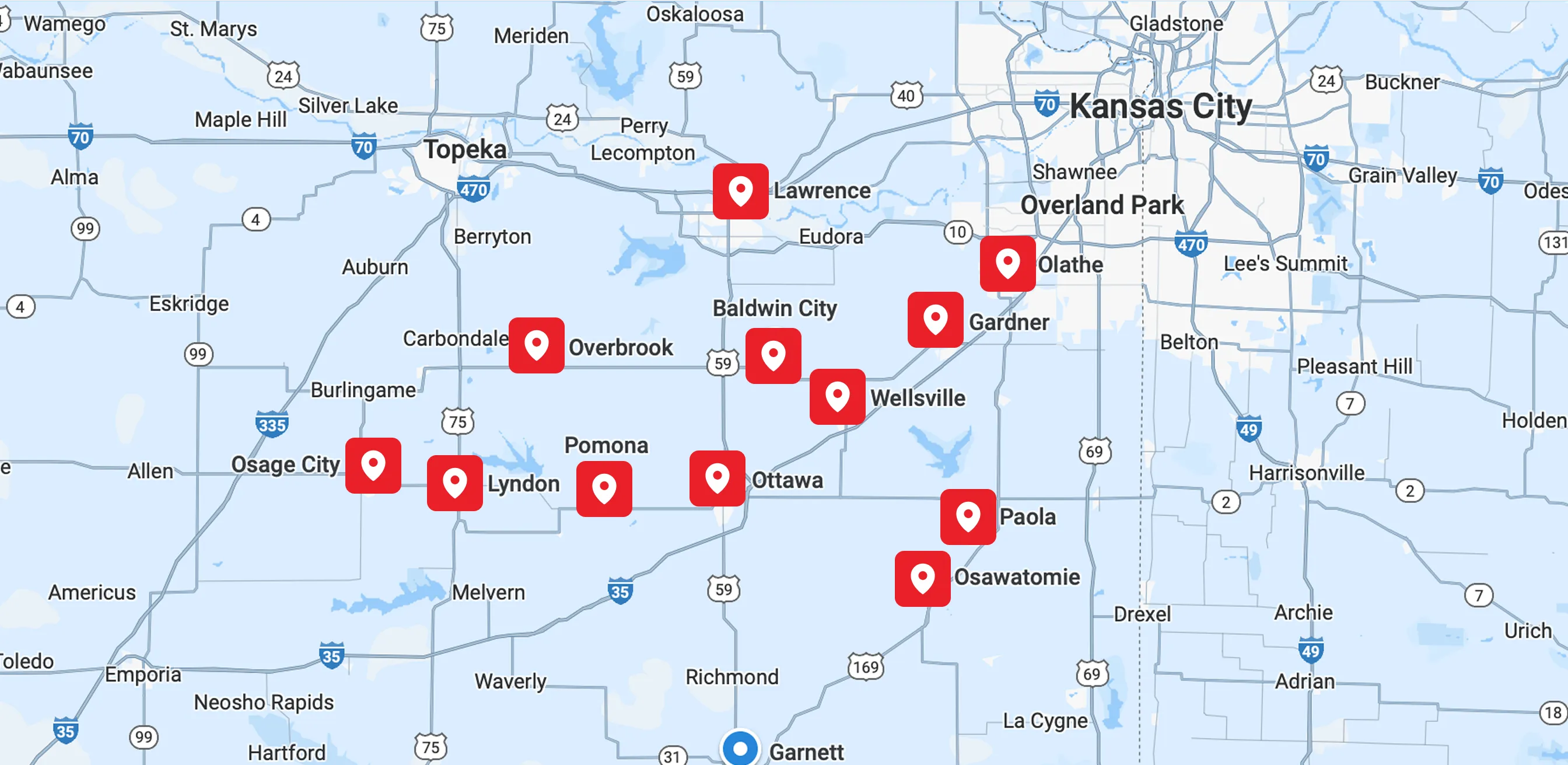
Service Areas