Water Heater Installation in Williamsburg, KS
For Water Heater Installation in Williamsburg, KS, All Seasons Air Conditioning and Heating outlines the full process from a pre-installation site assessment to commissioning and ongoing post-installation care. We explain why professional installation truly matters in areas with seasonal extremes, covering common services and upgrades, fuel type considerations, strict venting and safety compliance, and the step-by-step installation sequence – including disconnect, rough-in, testing, and crucial safety checks. We also highlight realistic timelines, pricing factors, and maintenance tips to ensure reliable, efficient hot water and long-term performance for homeowners.
.webp)
Water Heater Installation in Williamsburg, KS
Installing a new water heater is a major home project that changes daily comfort, energy use, and safety. In Williamsburg, KS homes that face hot, humid summers and cold winters, the right water heater choice and proper installation matter more than ever. This page explains the full Water Heater Installation process in Williamsburg, KS — from site assessment and unit selection to plumbing, venting, commissioning, and post-installation care — so you can make an informed, confident decision.
Why a professional installation matters in Williamsburg, KS
Williamsburg’s seasonal temperature swings increase demand for consistent hot water year-round. Older units can struggle, especially in winter when incoming groundwater is colder. Improper installation risks inefficiency, higher energy costs, leaks, venting hazards, or premature failure. Professional installation ensures compliance with local codes, correct fuel hookups, proper venting for combustion appliances, and reliable performance through temperature and pressure safeguards.
Common water heater services and issues in Williamsburg, KS
- Replacement of old or leaking tank water heaters
- New installations for additions, remodeled bathrooms, or new builds
- Conversions between fuel types (electric, natural gas, propane) or to high-efficiency models
- Tankless (on-demand) installations and condensate management
- Reconfiguring plumbing layout or venting for safety and code compliance
- Upgrades for higher capacity or faster recovery to meet growing household needs
Pre-installation site assessment
A thorough site assessment prevents surprises on install day. Key items checked during the assessment:
- Location: indoor closet, basement, garage, or exterior pad and available clearances
- Fuel availability: natural gas line, propane tank access, or electrical capacity
- Venting pathways for combustion appliances and proximity to windows or rooflines
- Water supply piping condition and potential need for shutoff valves, sediment traps, or isolation valves
- Structural or access issues that might affect delivery and placement
- Local permit and inspection requirements
This evaluation also identifies seasonal considerations — for example, freezing risk in exterior or garage installations and how insulation and frost protection will be handled.
Unit selection guidance: capacity and fuel type
Choosing the right unit means balancing capacity, fuel type, efficiency, and household patterns.
Capacity guidance
- Tank models: sized by tank volume. Choose based on household size, peak hour demand, and simultaneous uses (showers, dishwasher, laundry).
- Tankless models: sized by flow rate and temperature rise. They are space-saving and reduce standby losses but must be sized carefully for simultaneous demands.
Fuel type considerations
- Natural gas and propane: typically lower operating cost for high-demand homes but require correct venting and combustion air.
- Electric: simpler installation where gas is unavailable, but may have higher operating cost for large-demand households.
- Heat pump water heaters: more efficient in moderate climates and for homes with space for the unit and condensate management.
- Hybrid options and high-efficiency condensing units are worth considering where long-term energy savings are a priority.
Plumbing and electrical requirements
Proper plumbing and electrical hookups are essential for performance and safety.
- Water connections: copper, PEX, or CPVC with proper fittings, accessible shutoff valve, expansion tank where required by local code.
- Drainage: safe routing for the pressure relief valve (TPR valve) discharge and condensate drains for high-efficiency units.
- Gas lines: sized for BTU demand, installed with approved connectors and natural gas shutoff valves.
- Electrical: dedicated circuit for electric or hybrid units, correct breaker size, and grounding per code.
- Permit and inspection: many installations require permits and final inspection to ensure compliance.
Venting and safety compliance
Combustion appliances must have correct venting to prevent carbon monoxide hazards and to maintain efficiency.
- Venting types: atmospheric, power vent, or direct vent, chosen based on location and building layout.
- Combustion air: ensure adequate make-up air to prevent backdrafting, especially in tightly sealed homes.
- Carbon monoxide and smoke detection: recommended or required to be installed and tested following completion.
- Compliance: installations follow state and local plumbing and mechanical codes for clearance, vent termination, and safety controls.
The installation process: from disconnect to commissioning
A typical installation follows a clear sequence to minimize risk and downtime:
Testing, safety checks, and documentation
After installation, thorough testing confirms safety and performance:
- Pressure and leak checks for water and gas lines
- Temperature and pressure relief valve verification
- Venting inspection and combustion analysis where applicable
- Electrical verification and circuit protection testing
- Written documentation of installed model, serial number, settings, and recommended maintenance scheduleWarranty registration steps and manufacturer care instructions should be completed to preserve coverage.
Post-installation instructions and maintenance tips
Proper post-installation care extends life and efficiency:
- Set temperature to a safe but efficient level and avoid unnecessary high settings.
- Flush sediment annually from tank-type heaters in areas with harder water to maintain efficiency.
- Inspect anode rods and replace as recommended, especially in mineral-rich water conditions.
- For tankless units, follow manufacturer guidance for descaling if local water is hard.
- Keep the area around the unit clear for service access and ventilation.
Typical timelines and pricing factors for Williamsburg, KS
Timeline expectations
- Simple like-for-like replacements are often completed within a single day.
- Conversions between fuel types, major venting work, or access challenges can extend the project to multiple days.
- Permit turnaround and inspection scheduling can add time depending on local municipal processes.
Pricing factors (what affects cost)
- Unit type and efficiency level chosen
- Required electrical or gas line upgrades
- Extent of venting work or structural modifications
- Accessibility and labor complexity for removal and installation
- Local permit and inspection costs
Because Williamsburg homes vary in age and configuration, a site assessment is the most reliable way to determine the timeline and scope.
Benefits of timely professional installation
A properly selected and professionally installed water heater delivers reliable hot water supply, improved energy efficiency, and peace of mind through correct venting and safety controls. In Williamsburg, KS, addressing insulation, freeze risks, and local code requirements during installation protects performance through seasonal extremes and reduces the chance of emergency repairs.
Regular maintenance after professional installation preserves efficiency and extends service life, ensuring your home stays comfortable year-round.
Customer Testimonials
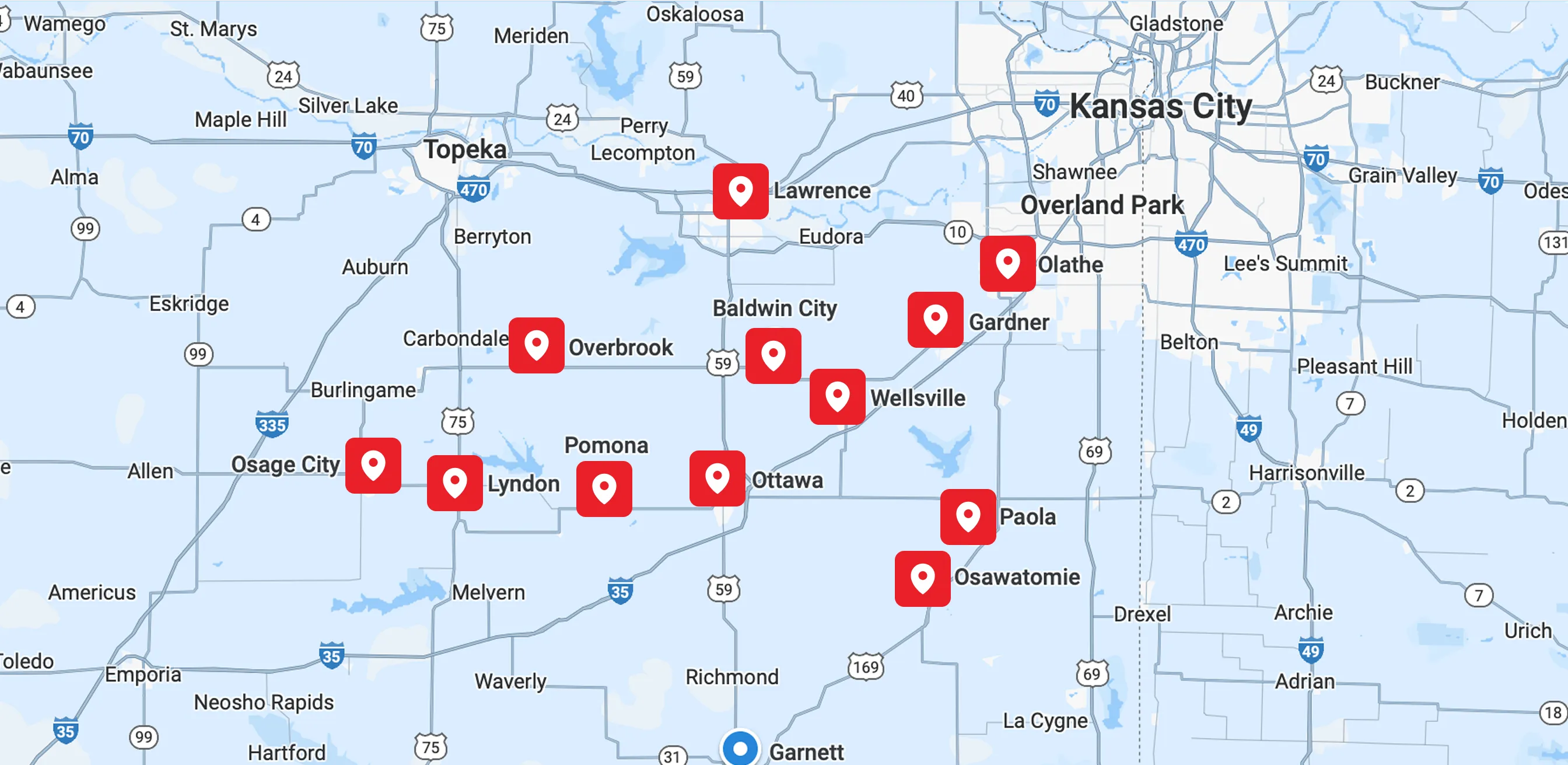
Service Areas