Water Heater Maintenance in Pomona, KS
Water heater maintenance in Pomona, KS from All Seasons Air Conditioning and Heating outlines a comprehensive, proactive approach to keeping residential water heating systems reliable and efficient. We explain routine tasks such as annual inspections, tank flushing, anode rod checks, pressure relief valve testing, burner and thermostat checks, and safety venting reviews. We cover common local issues like mineral buildup, sediment, corrosion, and well-water challenges, recommend standard service intervals, and highlight how preventive care reduces energy use, lowers the risk of breakdowns, and extends equipment life.
.webp)
Water Heater Maintenance in Pomona, KS
A well-maintained water heater delivers consistent hot water, uses less energy, and avoids unexpected failures that disrupt your home. In Pomona, KS, seasonal temperature swings, municipal and well water mineral content, and older housing stock make routine water heater maintenance especially important. This page outlines the routine maintenance steps, common problems in Pomona homes, what a professional inspection includes, recommended service intervals, and how preventative care extends the life and efficiency of your system.
Why routine water heater maintenance matters in Pomona, KS
- Protects against sediment buildup. Kansas water often contains minerals that settle in storage tanks, reducing efficiency and causing noise, overheating, or premature tank failure.
- Prevents freeze-related issues. Cold snaps can stress piping and valves; inspection ahead of winter reduces the risk of burst components.
- Improves energy efficiency. A clean burner, properly calibrated thermostat, and descaled tank help your system use less fuel or electricity.
- Enhances safety. Testing pressure relief valves and checking gas burners prevents dangerous pressure or combustion problems.
Common water heater problems in Pomona, KS homes
- Sediment accumulation causing rumbling, reduced hot water volume, or overheating
- Corroded or depleted anode rods leading to tank corrosion and leaks
- Faulty temperature and pressure relief (TPR) valve that fails to release safely
- Inefficient burners or dirty pilot assemblies on gas models causing poor combustion
- Malfunctioning thermostats producing inconsistent water temperature
- Leaks from fittings, tank seams, or drain valves often caused by age or mineral corrosion
- Issues with well water systems such as sediment, iron staining, and higher mineral load
Types of maintenance and what each includes
- Annual inspection and Tune-Up
- Visual inspection of tank, connections, and venting
- Check for leaks, corrosion, and proper clearances
- Combustion analysis for gas units if needed
- Tank flushing
- Full drain and flush to remove sediment and reduce corrosion
- Flushing can restore capacity and reduce noise from heating cycles
- Anode rod check and replacement
- Inspect sacrificial anode rod for depletion; replace when significantly worn
- Anode replacement dramatically slows tank corrosion and extends life
- Pressure relief valve testing
- Manual lift test to verify the valve opens and reseats correctly
- Replace valves that stick or leak
- Burner and pilot assembly cleaning (gas units)
- Remove soot and debris from burners and pilot orifices
- Adjust burner for proper flame pattern and efficiency
- Thermostat and element checks (electric units)
- Test heating elements and thermostats for correct operation and responsiveness
- Replace failed elements to restore heating performance
- Safety and venting checks
- Inspect flue and venting for blockages or corrosion that impair exhaust flow
- Confirm combustion air is adequate and safe
Typical diagnostic process during a maintenance visit
Repairs and solutions commonly recommended after inspection
- Replace depleted anode rod to prevent internal corrosion
- Repair or replace leaking drain valves and TPR valves
- Replace failed thermostats or heating elements to restore performance
- Clean or replace burner assemblies for gas units to improve combustion
- Recommend tank replacement when significant corrosion, leaks, or repeated failures are present
- Install water treatment or sediment filters for homes on well water to reduce future buildup
Recommended service intervals
- Annual inspection and Tune-Up. Most systems benefit from a comprehensive check once every 12 months.
- Tank flush. At least once per year for systems on municipal water; every 6 to 12 months for homes on well water or with high mineral content.
- Anode rod inspection. Check every 1 to 3 years; replace when more than 50 percent depleted.
- TPR valve testing. Test annually and replace if any sign of failure.
- Burner and thermostat checks. Annually for consistent combustion and temperature control.
What a maintenance plan typically includes
Maintenance plans are designed to simplify care by bundling routine inspections and prioritized service. Typical plan components:
- Annual inspection and preventive Tune-Up
- Scheduled tank flushing at recommended intervals
- Priority scheduling for repairs and parts replacement
- Documentation of service history and recommendations for future care
Note: Plans vary by provider. A structured program reduces emergency repairs and helps budget for long-term upkeep.
Homeowner maintenance tips between professional visits
- Periodically test the TPR valve by following the manufacturer’s safe procedure
- Drain a few gallons from the drain valve every 3 to 6 months to reduce sediment accumulation
- Keep the area around the water heater clear for airflow and access
- Lower thermostat settings slightly to reduce energy use while preventing scalding
- If you use well water, consider point-of-entry filtration or softening to reduce mineral buildup
Local considerations for Pomona, KS
- Homes fed by rural wells around Pomona often experience higher sediment and mineral content that accelerates tank wear. More frequent flushing and filtration can meaningfully extend service life.
- Seasonal freeze and thaw cycles in northeast Kansas increase the importance of pre-winter inspections to safeguard plumbing and valves.
- Older homes may still have legacy installations where anode rods or other components were never maintained; these systems benefit disproportionately from first-time comprehensive maintenance.
Long-term benefits of scheduled water heater maintenance
Regular maintenance reduces energy bills by restoring efficiency, prevents inconvenient cold showers and emergency replacements, and extends equipment life by years. Proactive care improves safety and helps you plan for eventual replacements at a predictable time rather than facing sudden failures.
In Pomona, KS, routine water heater maintenance is a practical, cost-effective way to protect your home’s hot water reliability given local water characteristics and seasonal demands. Following recommended service intervals, performing simple homeowner checks, and investing in periodic professional inspections will keep your system running safely and efficiently for years.
Customer Testimonials
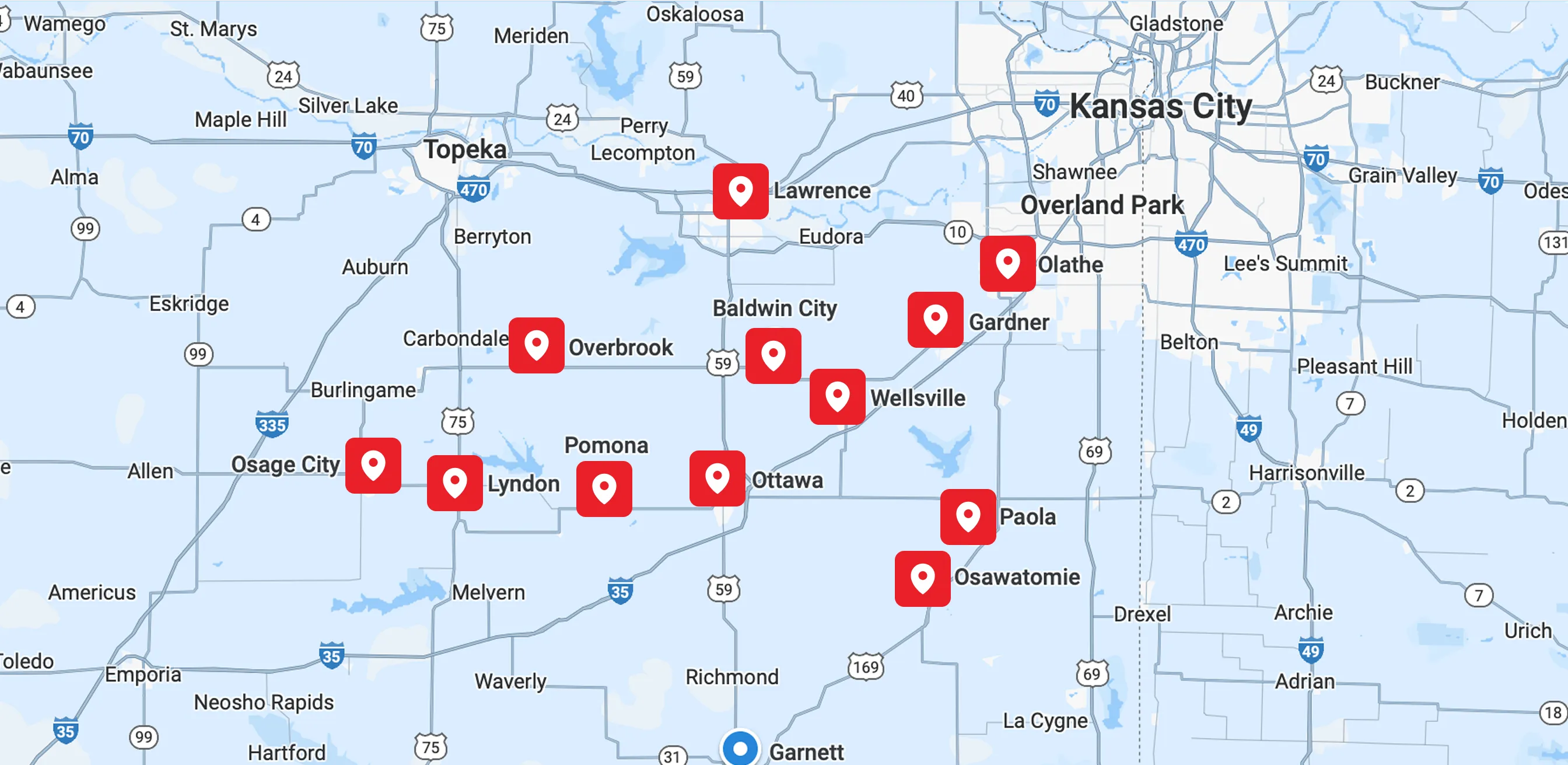
Service Areas