Water Heater Repair in Garnett, KS
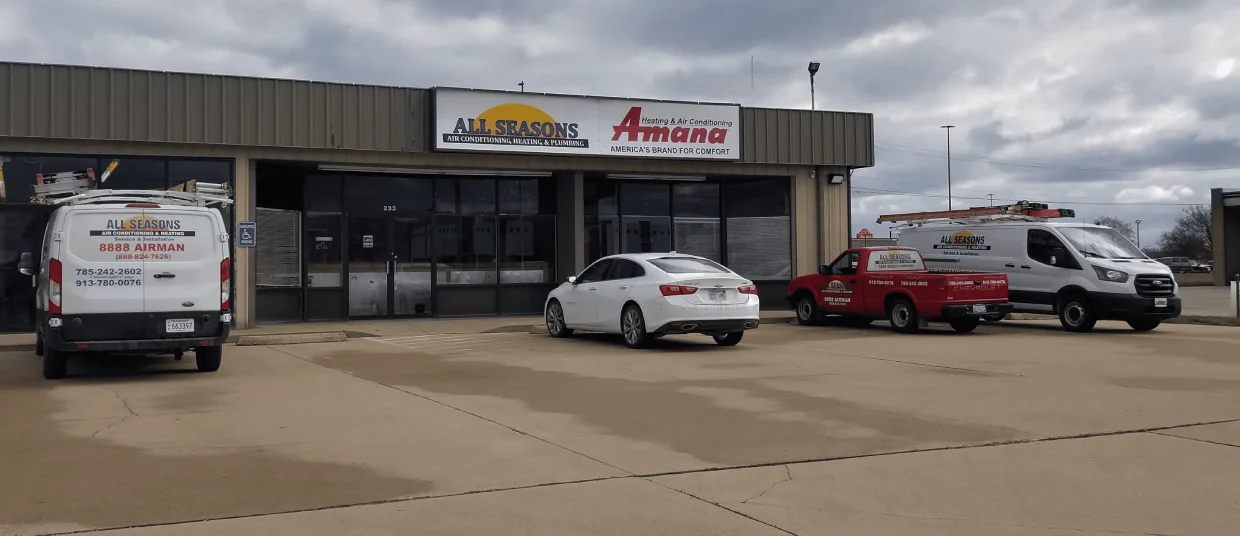
Water heater repair services in Garnett, KS from All Seasons Air Conditioning and Heating diagnose and address common tank, tankless, and gas unit issues to restore safe, reliable hot water. Our technicians perform step-by-step inspections, test electrical and gas systems, verify venting and safety devices, and recommend targeted repairs or replacement based on tank condition and water quality. Our guide covers emergency response, warranty considerations, maintenance tips, and the value of timely service to prevent costly damage and extend system life for Garnett homes.
.webp)
Water Heater Repair in Garnett, KS
When your water heater stops producing reliable hot water, leaks, or makes unsettling noises, it affects daily life quickly. Water heater repair in Garnett, KS focuses on diagnosing the root cause and restoring safe, efficient hot water to homes that often face both hot humid summers and freezing winter temperatures. Whether you have a gas tank, electric tank, or tankless unit, understanding common problems, the diagnostic process, typical repairs, emergency response expectations, and safety and warranty considerations will help you make a confident repair decision.
Common water heater problems in Garnett, KS homes
- No hot water or only lukewarm water
- Causes: failed heating element, tripped breaker, gas supply or control failure, or thermostat miscalibration.
- Inconsistent temperatures or short hot water supply
- Causes: sediment buildup in tank reducing capacity, failing dip tube, or undersized unit for household demand.
- Leaks or standing water near the tank
- Causes: corroded tank, loose fittings, failed pressure relief valve, or leaking inlet/outlet connections.
- Strange noises (popping, rumbling, gurgling)
- Causes: mineral and sediment accumulation in the bottom of the tank, causing water to overheat and create steam pockets.
- Pilot light or ignition problems on gas units
- Causes: dirty pilot assembly, failing thermocouple, faulty gas control valve, or interrupted gas supply.
- Low water pressure or cloudy water
- Causes: mineral deposits, rusting tank internals, or failing valves and anode rod.
Many Garnett homes rely on well water or have mineral-rich municipal water. Mineral content and sediment accelerate component wear, making routine diagnostics and targeted repairs essential.
How technicians diagnose water heater issues
Technicians use a step-by-step diagnostic approach to identify the most likely failure point without unnecessary parts replacement:
- Check for leaks, corrosion, proper venting, and safe clearances.
- Confirm electrical breakers, wiring, or gas line pressure and shutoff valve position.
- For electric units: test heating elements and thermostats with a multimeter.
- For gas units: inspect pilot assembly, thermocouple, gas control valve, and ignition system.
- Test temperature-pressure relief valve and look for signs of overpressurization.
- For suspected sediment, drain a sample and inspect, or recommend a controlled flush to evaluate scale build-up.
- Evaluate whether the heater is correctly sized for household demand and whether water quality is contributing to premature failure.
This method narrows repairs to the specific faulty component and helps determine whether repair or replacement is the most reliable long-term option.
Typical repairs and parts commonly replaced
Most water heater repairs in the Garnett area fall into a few repeatable categories:
- Heating elements (electric tank units)
- Thermostats and temperature controls
- Thermocouples and pilot assemblies (gas units)
- Gas control valves and ignition modules
- Temperature-pressure relief valves and drain valves
- Dip tubes and inlet/outlet fittings
- Anode rods and sacrificial anodes to slow tank corrosion
- Tank flushing and sediment removal to restore efficiency
- Replacement of leaking tanks when corrosion has compromised structural integrity
- Repair or replacement of expansion tanks and pressure regulating devices when necessary
Technicians will generally replace only failing components when the tank and major systems remain in good condition. For older tanks with multiple failures or heavy corrosion, replacement is often recommended to avoid repeat service.
Emergency repair availability and typical response times
Water heater failures can create immediate hazards from leaks, scalding, or carbon monoxide risk with gas units. Emergency water heater repair services in the area commonly prioritize:
- Leaking tanks or active flooding risk
- Complete loss of hot water for homes with medical or elderly occupants
- Suspected gas leaks or strong smell of gas
- No pilot light with signs of gas odor or malfunctioning venting
Response times vary by provider and time of year, but emergency calls in Garnett are typically handled same-day or within a few hours when technicians are available. After-hours options often exist for critical situations, and technicians will advise temporary safety steps to limit damage until repair personnel arrive.
Warranty and safety information
- Manufacturer warranties
- Many new water heaters include manufacturer warranties for tanks and specific components. Warranty coverage depends on model, installation date, and proof of maintenance. Technicians will inspect and document failures to help determine warranty applicability.
- Service warranties
- Reputable repair service providers often offer limited workmanship warranties on parts and labor. Warranty terms vary, so customers should request written terms before repairs begin.
- Safety protocols
- For gas units: technicians check venting, combustion air supply, and test for carbon monoxide risk. If a gas leak is suspected, gas supply will be shut off immediately and the area ventilated.
- For electrical units: power will be isolated prior to testing or element replacement. Grounding and proper wiring will be confirmed during repairs.
- Scald prevention: repairing thermostats or adding anti-scald mixing valves can limit high-temperature exposure, especially important in homes with children or older adults.
- End of life and replacement
- If a tank shows significant corrosion, multiple component failures, or fails pressure testing, replacement is the safer long-term option. Technicians will explain safety reasons for replacement over repair when applicable.
Maintenance tips to reduce future repairs
- Flush the tank annually to remove sediment buildup, or more frequently if you have hard or well water.
- Replace the anode rod every 3 to 5 years, depending on water chemistry, to slow tank corrosion.
- Test the temperature-pressure relief valve yearly.
- Keep the area around the water heater clear and ensure proper vent clearance for gas units.
- Lower thermostat settings slightly during winter to reduce thermal stress; recommended safe water temperatures limit scald risk while preserving efficiency.
- For homes on well water, consider a sediment filter to reduce abrasive particles that damage elements and valves.
Why timely water heater repair matters in Garnett, KS
Prompt repair restores comfort and prevents secondary damage caused by leaks, such as flooring and structural issues that are more pronounced during Garnett’s seasonal temperature swings. Addressing small failures early often prevents the need for full unit replacement and maintains energy efficiency. Technicians assessing local water quality and household needs can recommend repairs or upgrades that best suit Garnett homes, whether that means replacing worn elements and anodes, cleaning sediment, or advising on a higher-capacity or tankless model for families with growing hot water demand.
If your water heater is showing signs of trouble, a thorough diagnostic and targeted repair plan will identify the safest, most cost-effective solution while taking into account Garnett area water conditions and seasonal demands.
Customer Testimonials
Service Areas