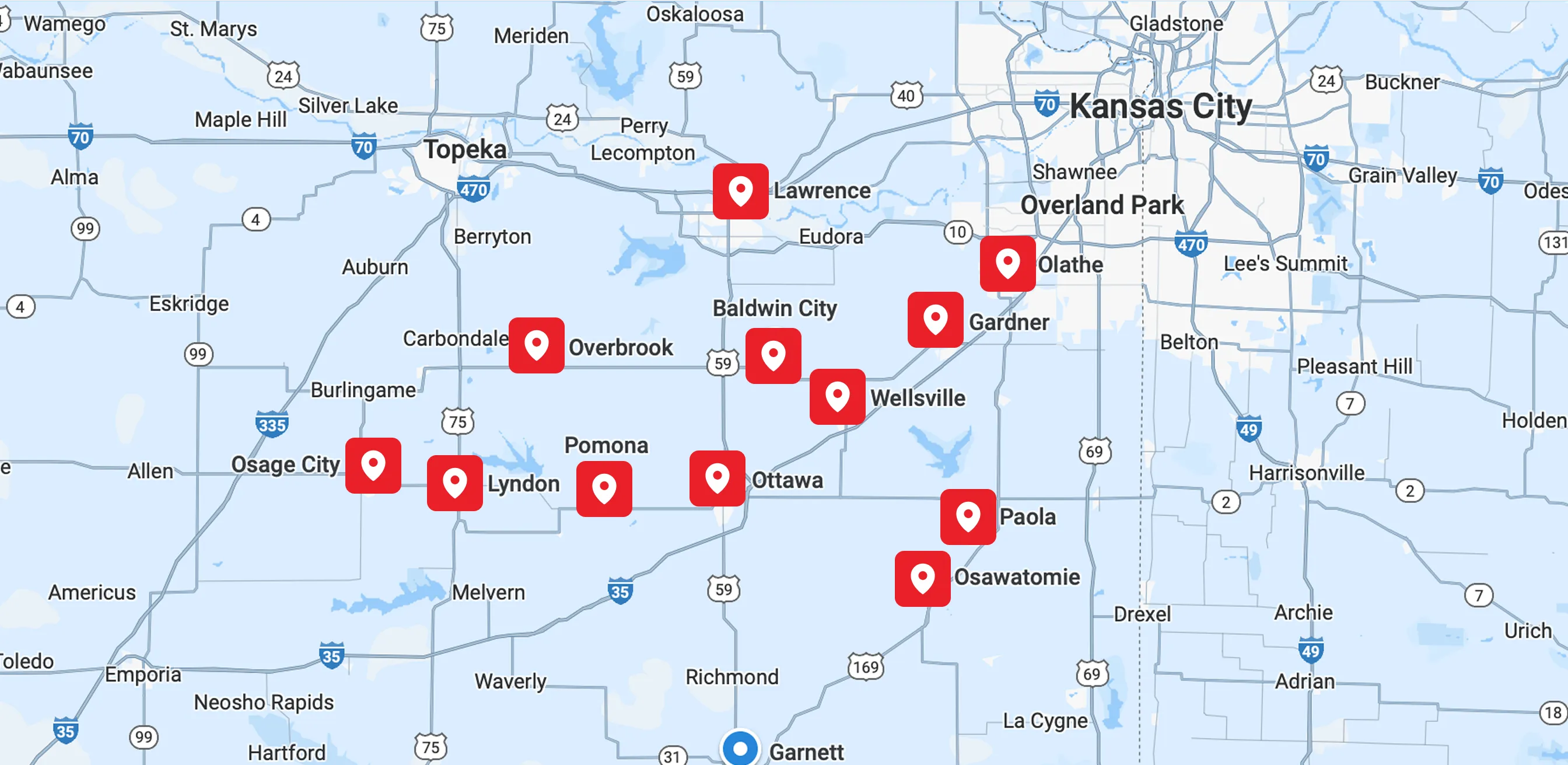
Water Heater Repair in Pomona, KS
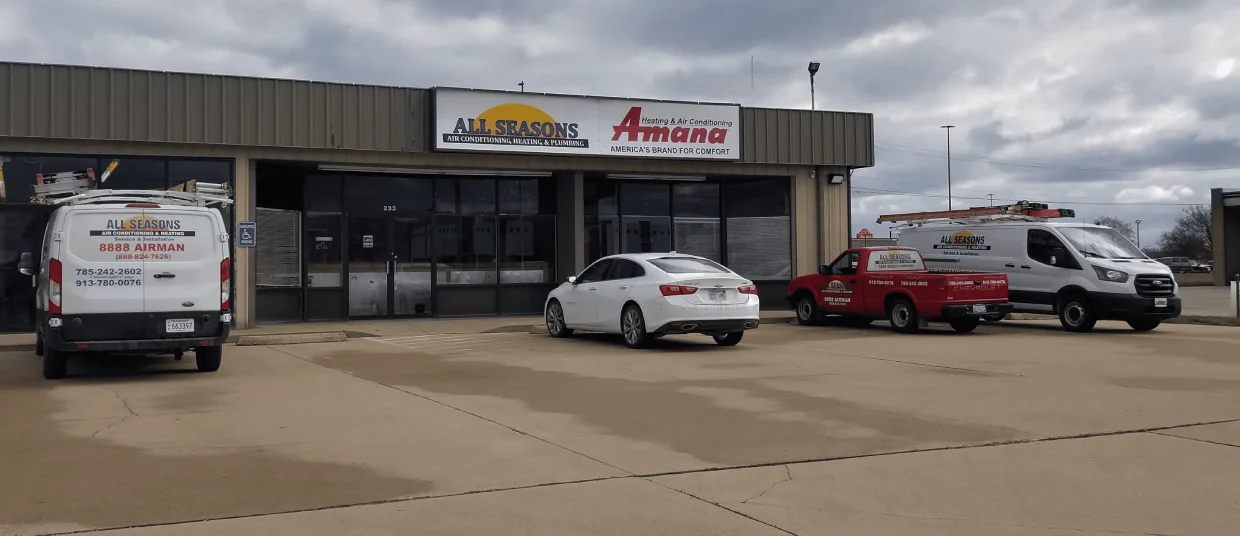
Water Heater Repair in Pomona, KS from All Seasons Air Conditioning and Heating provides fast, accurate diagnostics and durable fixes for common issues like no hot water, leaks, and pilot ignition failures. Our service outlines a methodical on-site assessment, safe power and fuel checks, temperature and pressure testing, and targeted replacements when needed, with clear repair options and estimated timelines. We cover emergency response expectations, warranty considerations, and practical preventive maintenance to extend tank life in Pomona’s hard-water conditions. Our tips include sediment flushing, anode care, and proper valve testing.
.webp)
Water Heater Repair in Pomona, KS
When your water heater fails, it disrupts daily life quickly. Water Heater Repair in Pomona, KS focuses on fast, accurate diagnostics and durable fixes for common issues like no hot water, leaks, strange noises, and pilot or ignition failures. Whether you live near the Pomona State Lake or in a rural Osage County neighborhood, local conditions such as hard water, seasonal temperature swings, and older home plumbing can influence how and why water heaters fail. This page explains the typical troubleshooting process, repair and replacement options, emergency response expectations, and practical tips to reduce future problems.
Common water heater problems in Pomona, KS homes
- No hot water: Often caused by a failed heating element, thermostat, gas ignition problem, or a tripped circuit breaker. In gas units, a pilot or thermocouple issue can interrupt heating.
- Lukewarm or inconsistent temperatures: Sediment buildup, partially failed elements, or cross-connection with cold water can produce fluctuating temperatures.
- Leaks at the tank or fittings: Corrosion, faulty pressure relief valves, loose connections, or a failing tank seam lead to visible leaks and require prompt attention.
- Strange noises: Popping, rumbling, or banging usually indicate mineral buildup on the tank bottom or burner. In Pomona’s hard water areas, sediment accumulation is a common culprit.
- Pilot or ignition failures: Gas units may experience pilot light outages, faulty thermocouples, or failed electronic ignitors. These issues prevent reliable heating and can be intermittent.
- Low hot water capacity: An undersized tank for household demand or a failed internal component like a dip tube can reduce usable hot water.
- Odors or discolored water: Bacterial growth in tanks or corroded anodes can cause rotten-egg smells or discoloration, especially when water sits warm for long periods.
How diagnostics are performed
A systematic diagnostic approach identifies root causes quickly and avoids unnecessary part replacements. Typical steps include:
Typical on-site diagnostics take 30 to 90 minutes depending on accessibility and complexity. For older systems or intermittent problems, additional testing may be scheduled.
Repair and replacement options
- Parts replacement: Thermostats, heating elements, thermostatic mixing valves, dip tubes, pressure relief valves, anode rods, burners, ignitors, and thermocouples are commonly replaced to restore function.
- Leak repairs: Tightening or replacing fittings and valves can fix many small leaks. Corroded tank seams or interior failures require replacement.
- Sediment flushing and cleaning: Draining and flushing removes mineral buildup, often restoring efficiency and reducing noises.
- Control and sensor repairs: Replacing faulty thermostats, control boards, or safety sensors resolves many electronic and temperature control issues.
- Full replacement: Recommended when tank corrosion is advanced, leaks originate from the tank itself, or when repeated repairs would be less cost-effective than a new, more efficient unit. Replacement options include tank-style, tankless, and hybrid heat pump systems depending on household needs and local water quality.
When replacement is necessary, options are discussed in plain terms—capacity, fuel type (gas or electric), estimated lifespan, and how local water hardness can affect performance. Warranties for new tanks and parts are explained so you understand coverage.
Emergency repair availability and response expectations
Emergency water heater issues—major leaks, no hot water in freezing weather, or gas odor with ignition failure—require prompt attention. Local response expectations for Pomona, KS:
- Emergency response window: For urgent safety issues or major leaks, same-day response is typically available, often within a few hours depending on call volume and travel time from nearby service hubs.
- Non-emergency service: Diagnoses and routine repairs are usually scheduled within 24 to 48 hours.
- On-site repair time: Simple repairs or part swaps can often be completed the same day; complex replacements or orders for specialty parts may take additional time.
Technicians arriving for emergencies follow safety protocols first—shutting off power or gas when needed—to prevent further damage. Estimated response times depend on time of day, weather, and part availability, but priority is given to safety concerns.
Common parts and warranty considerations
- Heating elements and thermostats: Often covered by limited part warranties; lifespan varies with usage.
- Anode rods: Regular inspection every 2 to 3 years can extend tank life; replacement helps prevent internal corrosion.
- Pressure relief valves and fittings: Critical safety parts that should be replaced if compromised.
- New water heaters: Manufacturer warranties differ by type and model. Discussing expected warranty terms helps choose the right unit for local conditions.
Technicians typically recommend using OEM or high-quality aftermarket parts matched to your unit for reliability in Pomona’s water conditions.
Preventive maintenance to avoid future failures
Regular maintenance reduces emergency repairs and extends service life:
- Flush the tank annually to remove sediment, or more often if water hardness is high.
- Inspect and replace the anode rod every 2 to 4 years depending on corrosion.
- Test the pressure relief valve yearly to ensure proper operation.
- Check and tighten visible fittings and inspect for early signs of corrosion or leaks.
- Insulate exposed hot water pipes and the tank in cold months to prevent heat loss and reduce freeze risk.
- Consider water softening if hard water is causing frequent sediment buildup.
Local homeowners often find that seasonal checks—before winter and after summer—catch small issues before they become larger problems.
Why timely repair matters for Pomona, KS residents
Prompt water heater repair protects against water damage, improves energy efficiency, and restores comfort quickly. In Pomona, where seasonal temperature swings and mineral-rich water can accelerate wear, timely diagnostics and appropriate repairs or upgrades help avoid recurring interruptions and costly emergency replacements. Professional service that understands local challenges ensures repairs are both effective and long-lasting.
This overview gives a clear picture of what to expect from Water Heater Repair in Pomona, KS: targeted diagnostics, practical repair and replacement options, emergency responsiveness, and maintenance guidance tailored to local conditions and common household needs.
Customer Testimonials
Service Areas