Water Heater Repair in Wellsville, KS
For water heater repair in Wellsville, KS, All Seasons Air Conditioning and Heating delivers quick, thorough service tailored to local water quality and climate. We outline common issues, from temperature fluctuations and leaks to ignition and heating-element failures, and explain our diagnostic steps, including safety checks, system testing, and sediment evaluation. We highlight repair options, typical part replacements, and expected timelines, with emphasis on safety, efficiency, and preventive maintenance to extend tank life and reduce the risk of costly emergencies.
.webp)
Water Heater Repair in Wellsville, KS
When your water heater fails, it affects daily life immediately — no hot showers, dishwasher interruptions, and the risk of water damage from leaks. For homeowners in Wellsville, KS, timely, local water heater repair addresses both comfort and safety. Wellsville’s cold winters, seasonal freeze risk, and common well water mineral content contribute to specific repair needs, so repairs here focus on corrosion, sediment buildup, freeze protection, and reliable ignition systems.
Common water heater issues in Wellsville, KS
Homeowners typically call for repairs when they experience:
- No hot water or inconsistent temperature
- Leaks around the tank, fittings, or relief valve
- Loud banging, popping, or rumbling noises
- Pilot light or ignition failures on gas units
- Thermostat or heating element failure on electric units
- Low hot water volume or rapid temperature loss
- Corrosion or visible tank deterioration (common with hard or well water)
Because many Wellsville homes are on private wells or older plumbing systems, sediment and mineral scaling are frequent causes of element burnout, thermostat issues, and premature tank failure.
Diagnostic process — what to expect
A clear diagnosis prevents unnecessary replacements. The typical diagnostic process includes:
- Ask about symptoms, how long the issue has persisted, and any recent changes.
- Check for leaks, corrosion, venting, and proper clearances.
- For gas units: inspect pilot/ignition, gas supply, burner condition, and ventilation.
- For electric units: test heating elements, thermostats, and wiring.
- Test the temperature and pressure relief valve and assess drain pan and shutoff function.
- Check for sediment or mineral buildup that could affect performance.
- Run the unit to reproduce the issue and measure temperature rise and recovery rate.
Diagnostics typically take 30 to 90 minutes depending on access and complexity.
Common repairs and parts replaced
Repairs often focus on restoring safety and efficiency while extending the unit’s life. Common parts replaced include:
- Heating elements and thermostats (electric units)
- Anode rods (to slow tank corrosion)
- Pressure relief valves and drain valves
- Thermocouples, pilot assemblies, and igniters (gas units)
- Gas control valves and burner components
- Dip tubes and internal fittings
- Drain pans and external plumbing fittings
- Full tank replacement when leaks or severe corrosion are present
In Wellsville, installing sacrificial anode rods and regular flushing can significantly reduce failures tied to mineral-rich well water.
Step-by-step repair process
Repairs follow a standard, safety-first workflow:
- Disconnect electric supply or close the gas line before any work.
- Partially or fully drain the tank when replacing internal components or flushing sediment.
- Install new elements, valves, or ignition parts with manufacturer-recommended components.
- Refill the tank, open hot water taps to remove air, and check for leaks.
- Re-establish power or gas and confirm proper operation, ignition, and temperature control.
- Verify relief valve operation, check for combustion safety on gas units, and measure outlet temperatures.
Most standard repairs (elements, thermostats, valves) are completed within 1 to 3 hours. Major repairs or tank replacements can require a half-day to a full day.
Estimated timelines and pricing ranges
Prices vary by unit type, part cost, and labor. Typical ranges for Wellsville, KS:
- Diagnostic fee: $75 to $150
- Minor repairs (thermostat, element replacement): $150 to $400
- Pressure relief valve or drain valve replacement: $100 to $300
- Gas ignition or thermocouple repairs: $150 to $450
- Anode rod replacement: $100 to $250
- Full water heater replacement (standard tank): $800 to $2,500 depending on capacity and fuel type
Emergency or after-hours service may carry additional fees. These ranges reflect common local costs and materials; final pricing depends on the exact parts and labor required.
Safety checks performed after repair
Post-repair safety verification is essential, particularly for gas and older systems. Standard checks include:
- Leak test for water and gas lines
- Temperature and pressure relief valve operation
- Combustion and venting inspection for gas units
- Carbon monoxide exposure assessment if applicable
- Electrical wiring and breaker verification for electric units
- Thermostat calibration and temperature verification
- Drainage and drain pan confirmation to prevent secondary damage
These checks protect your home and ensure the repair meets accepted safety standards.
Emergency and after-hours availability
Water heater failures that lead to major leaks, no hot water during winter, or suspected gas leaks require prompt attention. Emergency availability typically includes after-hours diagnostics and prioritized repairs for safety-related issues. In Wellsville, rapid response is especially important during freezing temperatures to prevent burst pipes and property damage.
Warranty and guarantee information
Understanding warranties helps set expectations:
- Manufacturer warranties: Many water heaters carry parts warranties ranging from 1 to 12 years depending on the model and anode protection. Tank failures may be covered under longer manufacturer terms for certain models.
- Service or workmanship guarantees: Reputable repairs generally include a workmanship guarantee for a specified period — commonly 30 to 180 days — covering repair-related failures.
- Parts warranties: Replacement parts typically carry their own manufacturer warranties; durations vary by part.
When arranging repairs, confirm the length and scope of both parts and labor warranties so you know what is covered if an issue recurs.
Preventive care and long-term benefits
Regular maintenance in Wellsville can extend a water heater’s life and reduce emergency repairs:
- Annual flushing to remove sediment
- Replacing anode rods every 3 to 5 years for well water systems
- Insulating exposed pipes and the tank to minimize heat loss and freeze risk
- Checking pressure relief valves and drain pans annually
Timely repairs and preventive maintenance reduce energy bills, improve hot water reliability, and protect your home from water damage.
ConclusionWater heater repair in Wellsville, KS requires attention to local factors like cold weather and mineral-rich water. A clear diagnostic, safety-first repair process, appropriate parts replacement, and documented safety checks will restore reliable hot water and reduce future issues. Consider regular maintenance and understand expected warranty coverage to protect your investment and keep your home safe.
Customer Testimonials
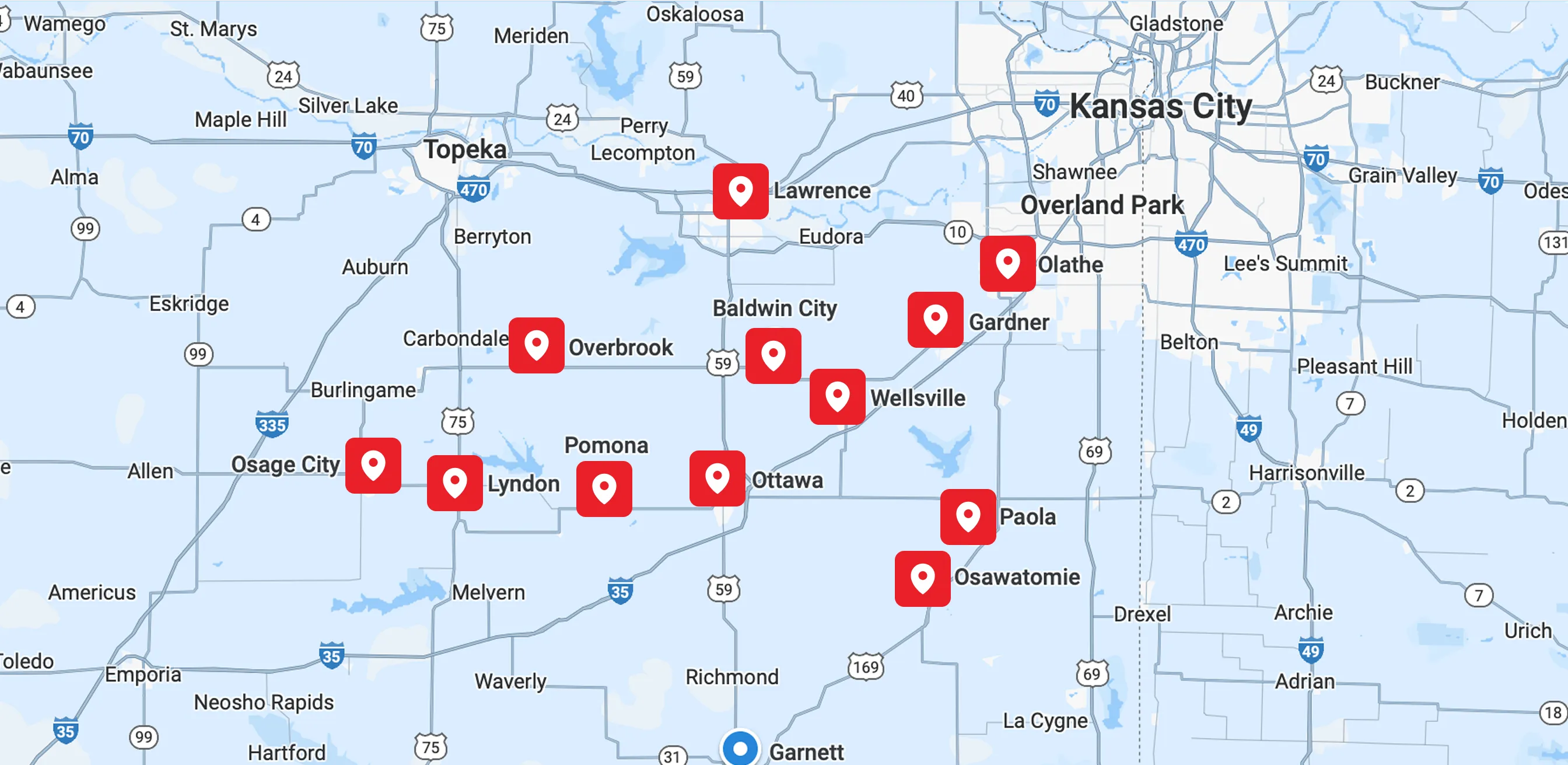
Service Areas