Heat Pump Installation in Lyndon, KS
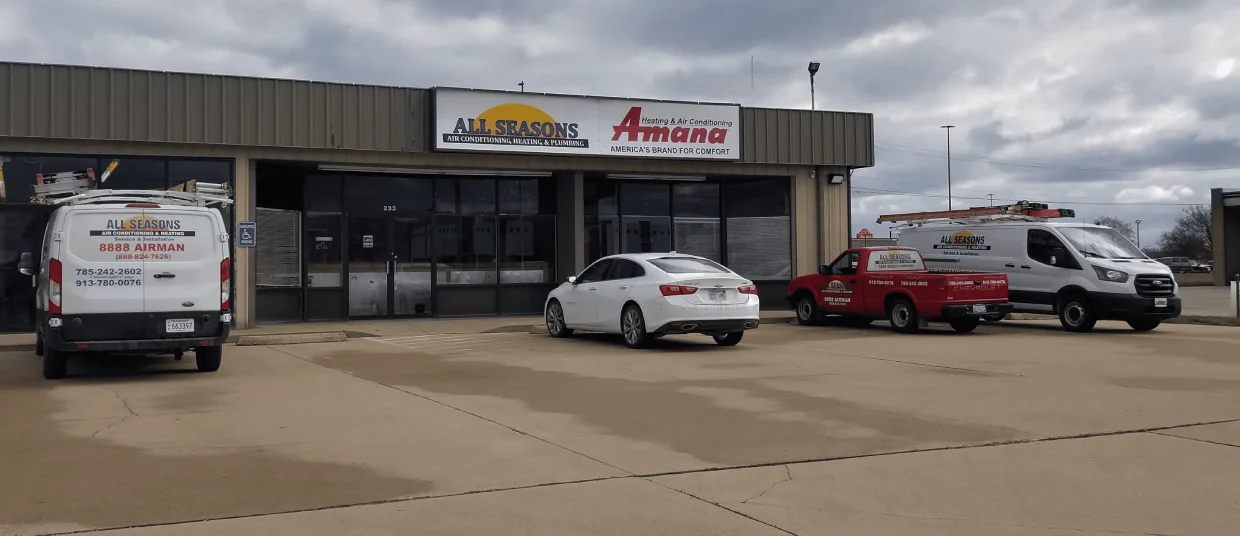
Considering a heat pump installation in Lyndon, Kansas? All Seasons Air Conditioning and Heating provides a comprehensive installation process, from initial surveys to ongoing support. Our service includes pre-installation assessments, equipment selection tailored to your climate and home layout, ductwork and electrical considerations, a step-by-step installation, thorough commissioning, and performance testing. We provide homeowner orientation, maintenance tips, and warranty guidance to maximize your system's efficiency and longevity. We emphasize proper sizing, sealed ductwork, compliant electrical setups, and proactive maintenance for reliable year-round comfort in Lyndon.
.webp)
Heat Pump Installation in Lyndon, KS
Installing a modern heat pump is one of the most effective ways to reduce energy bills and improve year-round comfort in Lyndon, KS homes. With hot, humid summers and cold winters, Lyndon residents need systems that provide efficient cooling and reliable heating. This page explains the full heat pump installation process specifically for Lyndon homes: pre-installation surveys, equipment selection, ductwork and electrical considerations, step-by-step installation, commissioning and testing, homeowner orientation, maintenance tips, and warranty and post-installation support.
Why a properly installed heat pump matters in Lyndon, KS
Lyndon experiences wide seasonal swings. Summer cooling demand and high humidity place stress on air conditioners, while winter lows increase heating loads. A correctly sized and installed heat pump delivers:
- Consistent comfort with efficient cooling and heating
- Lower seasonal energy consumption compared with older electric resistance systems
- Quiet operation and improved indoor air quality when paired with proper filtration
- Reliable performance even in Kansas winter temperatures, when paired with appropriate backup or cold-climate models
Common issues seen with poorly executed installations in the area include undersized systems that struggle on hot or very cold days, short-cycling from oversizing, duct leakage in older homes, and insufficient electrical capacity for modern compressors.
Common heat pump types and common installation issues in Lyndon
- Air-source heat pumps: Most cost-effective for Lyndon homes. Performance depends on unit efficiency ratings (SEER for cooling, HSPF for heating).
- Cold-climate air-source models: Better heating performance during subfreezing periods common in northeastern Kansas.
- Ductless mini-splits: Ideal for homes without existing ductwork or for room-by-room zoning.
- Ground-source (geothermal) heat pumps: High efficiency year-round, but with higher upfront installation complexity and site work.
Common installation challenges in Lyndon include:
- Aging duct systems with leaks or poor insulation
- Homes with limited electrical panel capacity
- Outdoor unit siting issues because of snow, ice buildup, or limited yard space
- Need for proper refrigerant charge and airflow balancing to prevent efficiency losses
Pre-installation consultation and site survey
A thorough pre-installation consultation should include:
- Detailed load calculation (Manual J or equivalent) to determine correct system size based on home size, insulation, window orientation, and Lyndon climate data
- Assessment of existing ductwork, attic and crawlspace access, and insulation levels
- Electrical service inspection to verify panel capacity, breaker sizing, and need for a dedicated circuit or disconnect
- Outdoor unit siting review for clearance, noise neighbors, shading, and snow/ice management
- Discussion of homeowner priorities: energy savings, quiet operation, zoning, or humidity control
This survey ensures the chosen system matches real-world conditions in your Lyndon home rather than rough estimates.
Equipment selection guidance
Key selection criteria:
- Right capacity: Measured in tons; avoid oversizing which causes short cycling and humidity problems
- Efficiency ratings: Aim for higher SEER and HSPF values for better operating cost savings in Lyndon weather
- Cold-weather capability: Choose models with proven low-temperature performance if winters are a priority
- Indoor equipment: Decide between air handler with coil, furnace-compatible coil for hybrid systems, or ductless indoor heads for mini-splits
- Controls: Consider thermostats that support zoning, programmable schedules, and remote access for better control of comfort and efficiency
- Manufacturer warranties: Compare parts and compressor warranty terms
For many Lyndon homes, a high-efficiency air-source heat pump combined with sealed and insulated ductwork provides a balance of performance and cost. For older, non-ducted homes, ductless mini-splits are often the best alternative.
Ductwork and electrical considerations
Ductwork:
- Inspect for leaks, undersized runs, and poor insulation. Duct leakage is a frequent cause of lost efficiency in Kansas homes.
- Seal joints with approved mastic or foil tape and add insulation where ducts run through unconditioned spaces.
- Ensure supply and return sizing supports target airflow (CFM) for the selected unit.
Electrical:
- Modern heat pumps typically require a dedicated 240V circuit and appropriately sized breaker and disconnect at the outdoor unit.
- Older panels may need upgrades to accommodate new loads or to add a subpanel.
- Verify wire gauge, breaker trip settings, and connection practices meet local electrical codes.
Permits and code compliance should be addressed during planning. Local building codes in Osage County and the City of Lyndon require permit pulls for HVAC installations and may have inspection requirements.
Step-by-step installation process
Each step should be documented, and installers should follow manufacturer specifications and local codes.
Commissioning and performance testing
Comprehensive commissioning verifies the system operates as intended:
- Leak checks and pressure testing on refrigerant lines
- Measure refrigerant superheat and subcooling for correct charge
- Verify airflow across coils (CFM) and static pressure in ducts
- Electrical checks: voltage, amperage, and proper breaker operation
- Confirm thermostat calibration, heating/cooling mode transitions, and defrost cycle operation in cold-weather models
- Noise and vibration assessment around indoor and outdoor units
- Documented performance readings and start-up report for homeowner records
Commissioning ensures the heat pump achieves expected efficiency and comfort levels in Lyndon conditions.
Homeowner orientation and maintenance tips
A clear orientation helps homeowners operate and maintain their new system:
- Thermostat operation and recommended schedules for energy savings
- Filter type and replacement frequency; check filters monthly during heavy use and change every 1 to 3 months depending on type and occupancy
- Outdoor unit care: keep 2 to 3 feet of clearance, clear debris, and avoid piling snow against the unit in winter
- Recognize normal behaviors: outdoor unit defrost cycles during cold weather are expected and temporary
- Annual preventive maintenance: clean coils, check refrigerant charge, test safety controls, and verify airflow. Routine service keeps warranties valid and preserves efficiency
Teach simple seasonal checks homeowners can perform and document recommended service intervals.
Warranties and post-installation support
Understand the warranty landscape:
- Manufacturer warranties cover major components and compressors; terms vary by model
- Installer workmanship warranties cover installation-related issues; keep documentation and registration records
- Register equipment with the manufacturer after installation to activate full warranty benefits
- Keep commissioning and startup reports, as they support warranty claims and future service decisions
Also consider potential local incentives or utility programs that may apply to high-efficiency heat pumps in Kansas; check local utility offerings and federal tax provisions when planning.
Customer Testimonials
Service Areas