Heat Pump Maintenance in Wellsville, KS
All Seasons Air Conditioning and Heating provides a detailed overview of Heat Pump Maintenance in Wellsville, KS, outlining why regular service matters, common local issues, and a thorough seasonal tune-up process. We describe diagnostic steps, typical repairs, and practical maintenance intervals, plus guidance on choosing maintenance plans. Homeowners learn actionable tips to extend equipment life, improve efficiency, and prevent mid-season failures. Our content emphasizes proactive care, safe inspection practices, and long-term cost savings achieved through consistent preventative maintenance in Wellsville homes.
.jpeg)
Heat Pump Maintenance in Wellsville, KS
Keeping a heat pump well maintained is one of the most effective ways to protect comfort, reduce energy bills, and extend equipment life. In Wellsville, KS, where hot, humid summers and cold winters both put significant seasonal stress on heat pumps, a proactive maintenance program prevents common failures and keeps systems operating at peak efficiency. This page outlines comprehensive preventative maintenance services, typical issues seen locally, the diagnostic and service process, recommended service intervals, and the types of maintenance agreements typically available.
Why regular heat pump maintenance matters in Wellsville, KS
Wellsville experiences warm, humid summers and chilly winters that require reliable year-round performance from heat pumps. Humidity increases coil fouling and can reduce efficiency during cooling months, while cold snaps demand more from compressors and defrost systems during heating months. Storms and seasonal debris can also clog outdoor units or cause electrical surges. Routine maintenance reduces the risk of mid-season breakdowns and ensures safe, efficient operation no matter the season.
Common heat pump issues in Wellsville, KS
Homeowners in the area commonly see these problems when maintenance is neglected:
- Reduced airflow from dirty filters or clogged coils, causing higher energy use and uneven comfort
- Icing on outdoor coils during winter due to dirty coils, poor refrigerant charge, or malfunctioning defrost controls
- Low refrigerant levels from slow leaks, reducing heating and cooling capacity
- Worn electrical components such as capacitors and contactors that lead to intermittent operation or failures
- Reduced lifespan from accumulated wear and insufficient lubrication or cleaning
- Outdoor unit damage or debris accumulation after storms and high winds
What a seasonal tune-up includes
A thorough seasonal tune-up is a hands-on inspection and performance test that addresses both heating and cooling needs. Typical tasks include:
- Visual inspection of indoor and outdoor units for physical damage, debris, and clearances
- Filter inspection and replacement recommendations; guidance on replacement frequency
- Cleaning of evaporator and condenser coils to restore heat transfer and airflow
- Checking and measuring refrigerant pressures and temperatures to confirm proper charge
- Electrical inspection - tightening connections, testing capacitors, contactors, relays, and safety switches
- Testing blower motor operation, airflow, and fan operation for proper distribution
- Thermostat calibration and verification of system control settings
- Checking and testing defrost cycle operation during cold-weather tune-ups
- Performance testing - temperature split, system run times, and electrical draw to confirm efficiency
- Basic condensate drain inspection and cleaning to prevent water damage or microbial growth
Diagnostic approach - how issues are identified
A methodical diagnostic process ensures problems are found before they become failures:
Each diagnostic step informs whether a simple adjustment, cleaning, or part replacement is required. Refrigerant is only added after confirming and repairing leaks to comply with best practices.
Common repairs and solutions explained simply
When tune-ups uncover problems, repairs are focused on restoring safe, efficient operation:
- Filter replacement - inexpensive and immediate improvement in airflow and indoor air quality.
- Coil cleaning - restores heat transfer; done with gentle coil cleaner and rinsing or, for heavy fouling, specialized cleaning.
- Refrigerant leak repair and recharge - locate and fix leaks before recharging to protect the compressor and meet regulations.
- Electrical component replacement - capacitors, contactors, and sensors are common wear items replaced to restore reliability.
- Motor and fan servicing - lubrication, balancing, and replacement where necessary to maintain airflow.
- Defrost control repair - ensures the system defrosts properly in winter to avoid efficiency loss.
- Duct or insulation recommendations - sealing ducts and improving insulation reduces system runtime and improves comfort.
Recommended service intervals
To balance reliability and cost-efficiency, these intervals are commonly recommended:
- Filter check/change: every 1 to 3 months depending on usage, pets, and indoor air quality needs.
- Seasonal tune-ups: twice a year - spring for cooling, fall for heating - to prepare the system for high-demand seasons.
- Full diagnostic and refrigerant check: annually during one of the seasonal tune-ups.
- Electrical and safety inspection: annually, or more often for older systems.
- Comprehensive inspection for older units (10+ years): consider more frequent checks, every 6 months.
Maintenance agreement options
Maintenance agreements formalize preventative care and provide predictable upkeep. Typical tiers include:
- Basic Plan - includes one annual inspection, filter reminders, and priority scheduling for tune-ups.
- Standard Plan - includes biannual seasonal tune-ups, coil and condensate checks, and a detailed performance report.
- Comprehensive Plan - includes biannual tune-ups, priority service, discounts on repairs, extended parts coverage, and emergency response options.
Agreements usually document the tasks performed, recommended next steps, and a service history that helps track long-term cost savings and equipment health.
Practical homeowner maintenance tips for Wellsville residents
Simple steps between professional visits extend equipment life and maintain comfort:
- Replace or clean filters regularly to prevent airflow restriction.
- Keep at least 2 feet of clearance around the outdoor unit and remove leaves and debris after storms.
- Monitor energy use and notice any sudden increase in bills or system noise.
- During winter, clear snow and ice away from the outdoor unit and avoid using sharp tools on coils.
- Track service history and have refrigerant levels checked if you notice reduced heating or cooling capacity.
Customer Testimonials
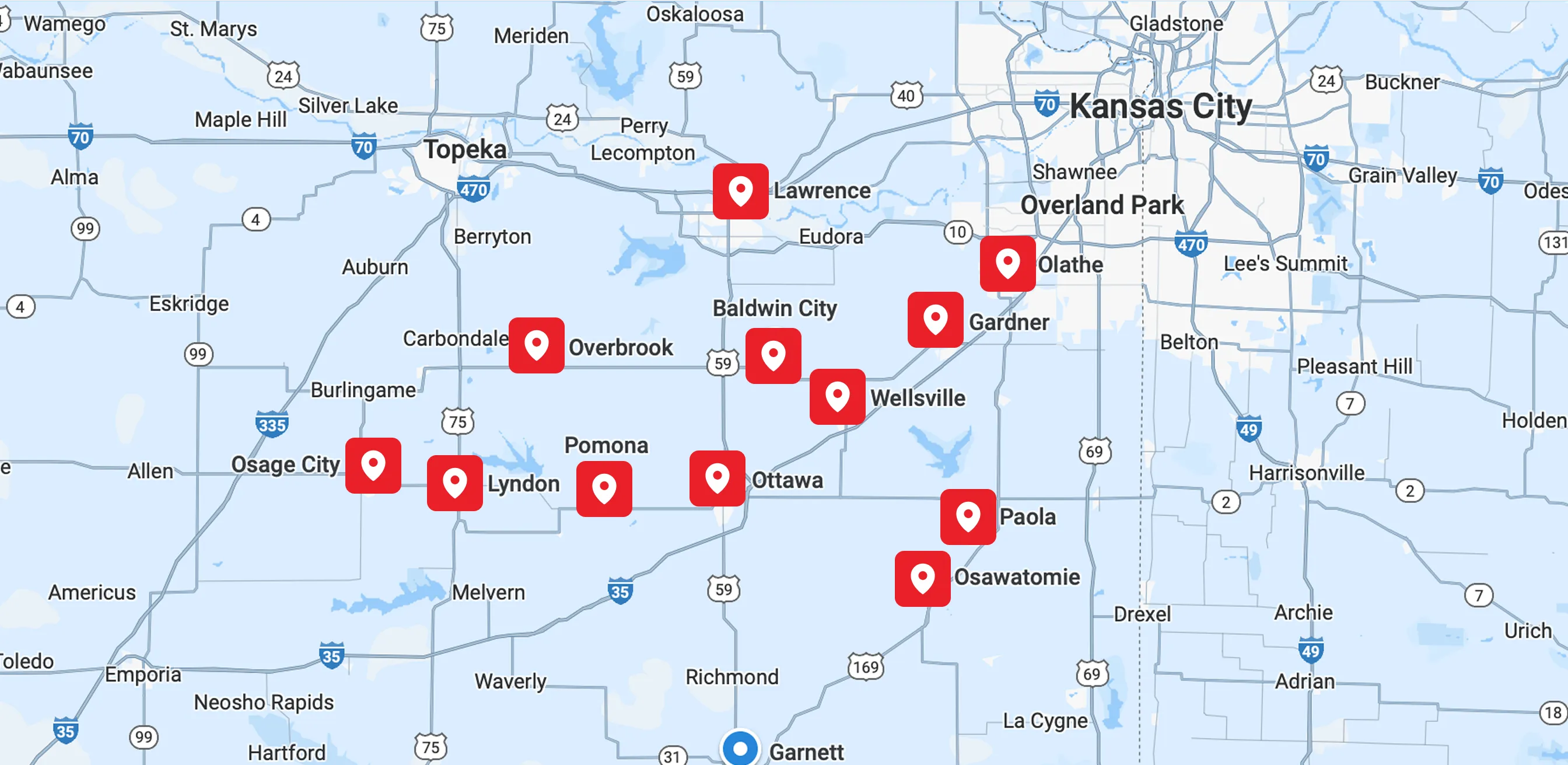
Service Areas