Heat Pump Repair in Pomona, KS
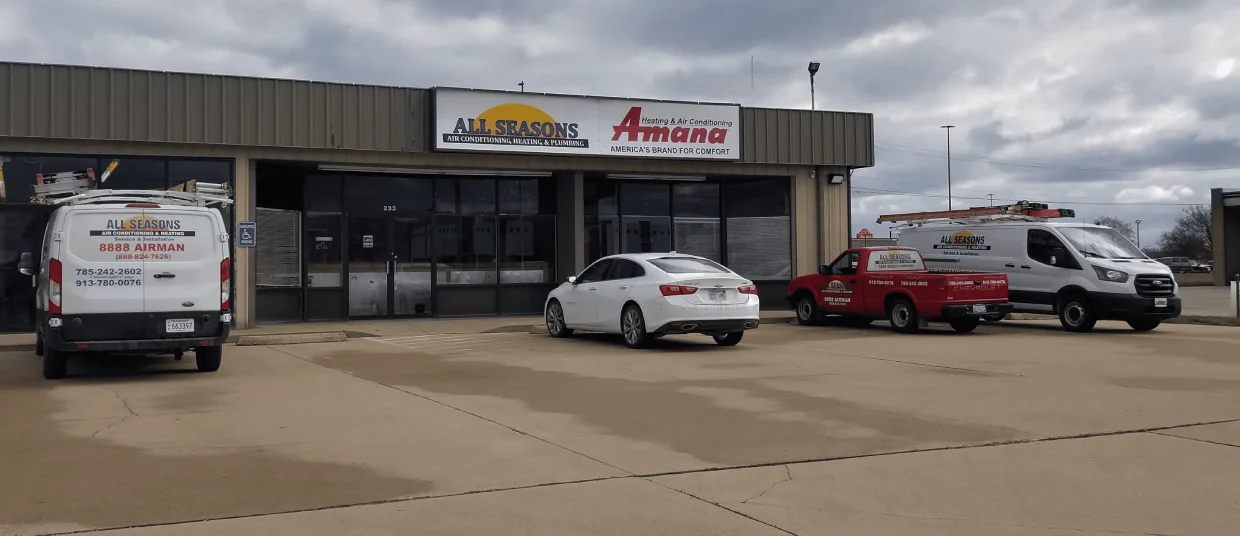
Pomona, KS heat pump repair services from All Seasons Air Conditioning and Heating focus on fast on-site diagnostics, precise fault identification, and durable repairs designed for local climate stresses. We cover common issues such as reduced heating or comfort, refrigerant leaks, and control faults, and describe a thorough diagnostic process, typical repair timelines, warranty practices, and emergency response options. We also offer practical maintenance tips to prevent future breakdowns and emphasize quality parts and proper brazing, inspection, and safety procedures for reliable year-round comfort.
.jpeg)
Heat Pump Repair in Pomona, KS
When your heat pump stops delivering reliable heating or cooling, your comfort and energy bills are immediately affected. Heat Pump Repair in Pomona, KS focuses on fast, accurate diagnostics and long-lasting repairs tailored to local conditions. Pomona homes face hot, humid summers and cold winters that put seasonal stress on heat pumps, while pollen, dust and occasional power fluctuations can accelerate wear. This page explains common faults, our on-site diagnostic approach, repair procedures, emergency response options, expected repair timelines, warranty practices, and practical tips to keep your system running reliably.
Common heat pump issues in Pomona, KS
Understanding typical failures helps homeowners make informed decisions. Common heat pump faults we see locally include:
- Loss of heating or cooling capacity: weak airflow, iced outdoor coils, low refrigerant, or failing compressors.
- Refrigerant leaks: slow performance, higher run times, and potential compressor damage if left untreated.
- Compressor problems: hard starts, unusual noises, overheating, or complete failure.
- Fan and blower faults: worn motors, bad capacitors, broken fan blades, or obstructed coils.
- Electrical and control issues: tripped breakers, failed contactors, bad capacitors, and thermostat or control board failures.
- Reversing valve malfunctions: system stuck in one mode (heating or cooling).
- Drainage and condensation problems: clogged condensate drain causing water damage or safety shutoffs.
- Reduced efficiency from dirty coils, clogged filters, or duct leaks — particularly after high pollen or storm seasons.
On-site diagnostic process
A reliable repair starts with a thorough on-site diagnosis. The typical diagnostic process includes:
- System history review: note symptoms, recent maintenance, and when the problem started.
- Visual inspection: check outdoor unit, indoor air handler, ductwork, electrical connections, and safety switches for obvious problems.
- Electrical tests: measure voltage, current draw, and continuity on compressors, fan motors, contactors, and capacitors.
- Thermostat and control verification: confirm proper settings, wiring, and sensor function.
- Airflow assessment: inspect filters, blower operation, duct leaks, and register airflow to rule out distribution problems.
- Refrigerant evaluation: measure pressures to determine if refrigerant is low or system is operating within normal ranges.
- Leak detection when indicated: use electronic leak detectors, UV dye, or soap testing to locate refrigerant leaks.
- Performance verification: record temperatures, superheat/subcooling values, and run cycles to determine root causes.
Diagnostics typically produce a clear repair plan and prioritized recommendations so you know which issues are safety-critical and which are performance-related.
Parts replacement and repair procedures
Common repairs and replacement procedures for heat pumps include:
- Refrigerant leak repair: locate and repair the leak, recover refrigerant, evacuate the system with a vacuum, repair or replace leaking components or lines, and recharge to the correct manufacturer-specified level. Follow up to confirm the repair.
- Compressor replacement: remove and replace failed compressors, perform proper brazing, replace filter driers, evacuate and recharge the system, and verify correct operation.
- Fan and blower motor replacement: replace faulty motors or bearings, inspect and balance blades, and verify airflow.
- Electrical repairs: replace contactors, relays, capacitors, fuses, and damaged wiring; re-secure ground connections and test safety devices.
- Reversing valve and expansion device repairs: diagnose and replace faulty valves or metering devices that affect mode changes or refrigerant flow.
- Control and thermostat service: replace or reprogram thermostats and control boards, and calibrate sensors.
- Coil cleaning and condenser maintenance: remove debris, clean fins and coils to restore heat transfer and efficiency.
We prioritize using compatible, quality parts and adhere to safe soldering and brazing practices. For larger components (compressors, control boards) lead times can vary; in Pomona and surrounding areas, part availability may affect repair scheduling.
Emergency response and temporary measures
Heat pump failures can create immediate comfort and safety concerns in extremes of weather. Emergency response options commonly include:
- Rapid diagnostics and priority scheduling to restore heat or cooling as quickly as possible.
- Temporary solutions such as restarting auxiliary heat to keep a home warm, safely resetting breakers, or isolating a faulty component to allow partial operation.
- Short-term repairs to get the system running until a full replacement part arrives.
- Safety shutoffs and recommendations when issues present a fire, electrical, or refrigerant hazard.
Prompt response time is especially important during heat waves or cold snaps common in Kansas. In rural areas near Pomona, logistics for parts and travel time may slightly extend response windows, so early detection and reporting help reduce emergency needs.
Typical repair timelines
Repair timelines depend on the fault severity and parts availability:
- Diagnostic visit: 30 to 90 minutes to fully assess and provide recommendations.
- Minor repairs (capacitors, contactors, thermostat): often completed the same day.
- Moderate repairs (fan motors, reversing valves, small refrigerant repairs): typically completed within 1 business day, depending on part availability.
- Major repairs (compressor replacement, major brazing work, extensive leak repairs): 1 to 3 days, sometimes longer if specialty parts are required or if multiple visits are needed for vacuum drying and leak verification.
Because Pomona is a smaller community, some specialty parts may require ordering from regional suppliers. We recommend addressing symptoms early to avoid extended downtime and more extensive repairs.
Warranty and service guarantees
Quality repair work should come with clear warranty coverage. Typical warranty elements include:
- Workmanship guarantee on repairs for a specified period (commonly 30 to 90 days).
- Parts warranty often backed by the manufacturer for larger components (compressors, motors) for varying terms.
- Service verification: post-repair performance testing to ensure the system meets manufacturer specifications.
- Clear documentation of what is covered and any limitations, including refrigerant and labor details.
When evaluating repair options, request written warranty terms and retain records of service for future claims or resale value.
Preventing future breakdowns in Pomona homes
- Schedule seasonal tune-ups: clean coils, check refrigerant, test electrical components, and verify controls before the cooling and heating seasons.
- Replace or clean filters every 1 to 3 months depending on household conditions.
- Keep the outdoor unit clear of vegetation, debris, and pollen build-up; maintain at least 2 feet of clearance.
- Monitor and protect against power surges; Kansas storms can create voltage spikes that damage controls.
- Keep condensate drains clear and check for signs of water or mold in the air handler area.
- Seal and insulate ducts where possible to reduce workload on the heat pump and improve comfort.
- Address odd sounds, longer running cycles, or higher energy bills early before they become major failures.
Customer Testimonials
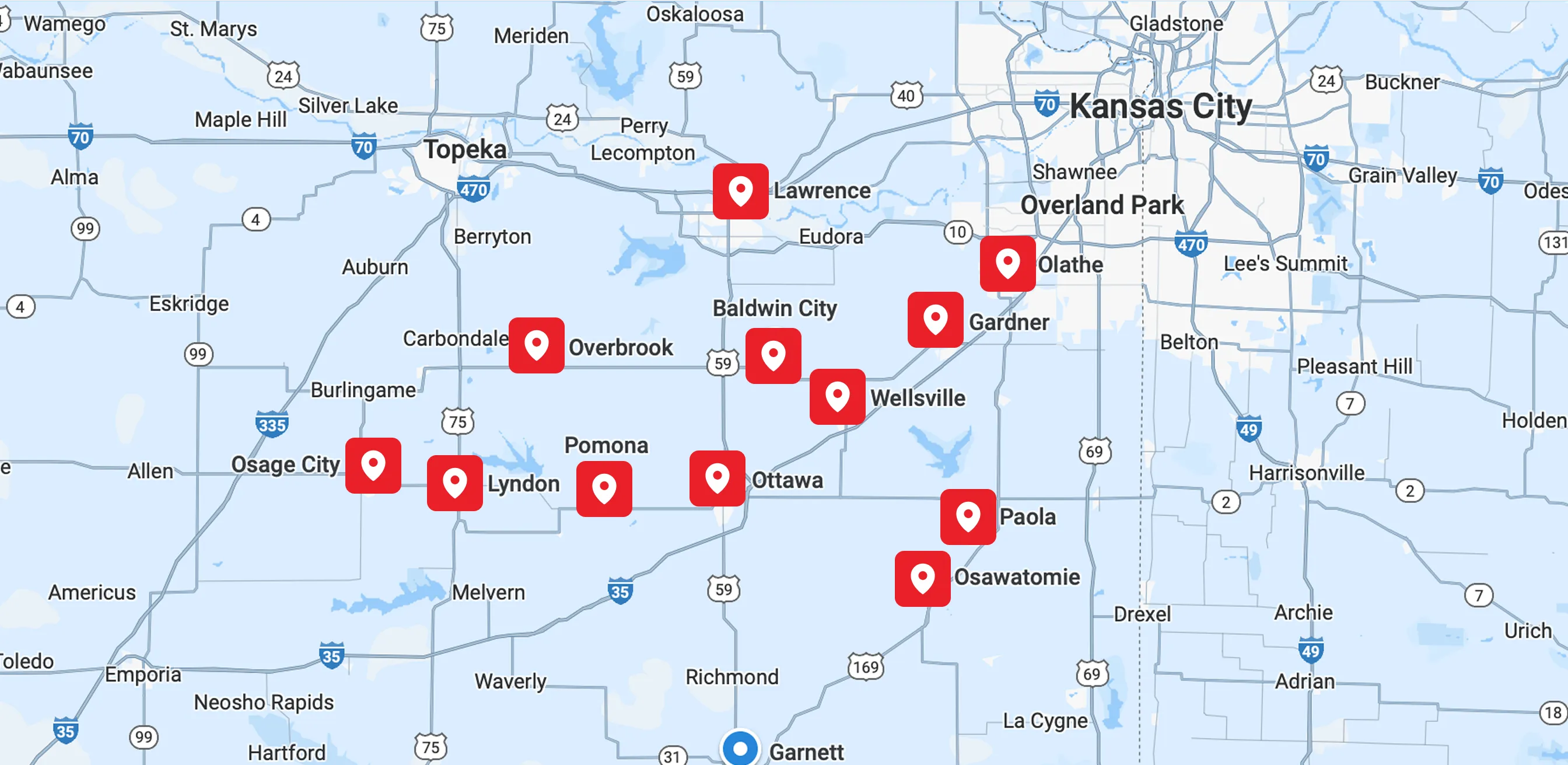
Service Areas