
Heat Pump Replacement in Garnett, KS
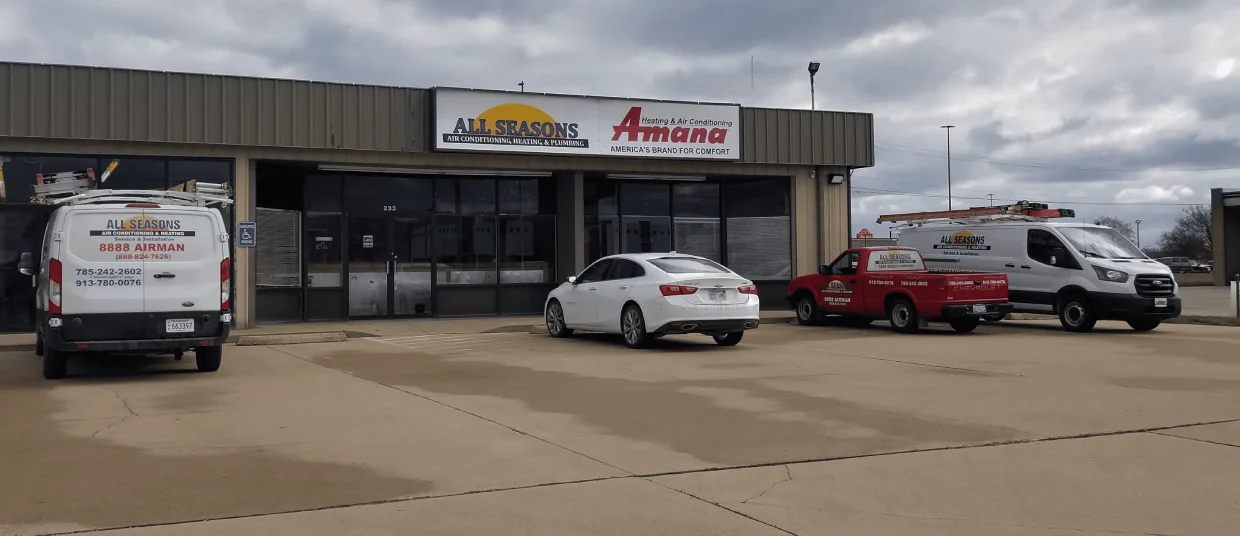
At All Seasons Air Conditioning and Heating, we help Garnett, KS homeowners determine when a heat pump replacement is the wisest choice and how our technicians determine if repair is insufficient. We cover factors like age, efficiency, load calculations, and proper sizing to prevent short cycling and comfort issues. We outline the replacement process from assessment to installation, including refrigerant handling, site protection, and testing, plus the energy efficiency gains and potential rebates you can expect. We also review timelines, financing, warranties, and practical steps homeowners can take to prepare for installation and maintain performance.
.jpeg)
Heat Pump Replacement in Garnett, KS
Replacing a heat pump is a major decision for Garnett, KS homeowners. Summers here are warm and humid while winters bring freezing temperatures, so a properly sized, efficient heat pump means reliable comfort year round and predictable energy use. This page explains when replacement is recommended versus repair, how technicians evaluate your system, how equipment is selected and sized for Garnett homes, the removal and replacement process, expected timelines, energy efficiency benefits and potential rebates, financing and warranty options, and steps to prepare your house for installation.
Why replacement matters in Garnett, KS
In Southeast Kansas, heat pumps must perform across a wide temperature range. An aging or undersized system can cause:
- Poor heating on cold mornings and higher electric bills
- Excess humidity during hot summers, reducing comfort
- More frequent breakdowns and rising repair costs
- Reduced indoor air quality from failing components
Replacing an inefficient or failing heat pump restores consistent comfort, improves indoor humidity control, and often lowers long term operating costs.
When to replace versus repair
Choose replacement when one or more of these are true:
- The system is near or beyond its expected service life and breakdowns are increasing.
- Repair costs are a large fraction of a replacement unit or recurring failures point to multiple weak components.
- Seasonal performance is poor: inadequate heat during Garnett cold snaps or inability to dehumidify in summer.
- The system cannot meet your current load needs due to home changes such as additions, insulation upgrades, or significant window replacements.
Repair is appropriate for single, isolated failures on newer systems that otherwise meet your needs. Replacement is usually recommended when reliability, efficiency, or capacity are compromised enough that repairs will not restore long term performance.
How technicians assess age, efficiency, and load requirements
Technicians perform a multi point evaluation before recommending replacement:
- Visual and operational inspection of indoor and outdoor units for wear, refrigerant leaks, compressor and fan condition.
- Measurement of airflow, refrigerant pressures, and temperature split to diagnose performance loss.
- Review of system age, historical repair records, and efficiency ratings. Older units commonly lose capacity and use more energy.
- Heat load calculation for your home. A proper load calculation (often based on recognized standards) accounts for insulation, windows, orientation, occupancy, and local climate. This ensures the new heat pump is sized to handle Garnett winters and humid summers without short cycling.
This assessment distinguishes fixable issues from systemic limitations that justify replacement.
Equipment selection and proper sizing for Garnett homes
Equipment choice depends on:
- Climate suitability: For Garnett winters, consider cold-climate heat pump models or hybrid systems paired with supplemental heat to maintain efficiency in subfreezing conditions.
- Capacity and efficiency: Choose a unit with the right capacity for your calculated heat and cooling loads and a high Seasonal Energy Efficiency Rating for lower operating costs.
- Features: Variable speed compressors, enhanced dehumidification modes, and sound reduction are useful in local homes where humidity and noise are concerns.
- Duct system condition: Duct leaks or poor design reduce performance. Technicians will evaluate ducts and recommend repairs or modifications as part of replacement planning.
Correct sizing avoids oversized units that short cycle and undersized units that run continuously without reaching setpoints.
Removal and replacement process
A typical replacement process includes:
Technicians ensure installations meet local codes and manufacturer requirements for warranty validity.
Energy efficiency benefits and potential rebates
Upgrading to a modern, efficient heat pump improves comfort and can reduce energy use thanks to better compressor technology, variable speed components, and improved coils. In Garnett, those efficiency gains are valuable across long cooling seasons and cold winter periods.
Potential savings and incentives:
- Reduced monthly energy usage from higher efficiency ratings.
- Increased comfort via better humidity control during hot, humid months.
- Eligibility for federal tax incentives, state programs, or local utility rebates that support high efficiency and heat pump installations. Availability varies and may require specific equipment ratings and certified installers.
Technicians can document equipment specifications required for incentive applications and advise on likely eligibility without providing specific program enrollment details here.
Timeline and what affects project duration
Typical replacement timeline elements:
- Initial assessment and load calculation usually take one visit to the home.
- Lead time for equipment varies by manufacturer and feature set; some units are in local stock, others may require ordering.
- Installation itself commonly takes one day for straightforward swaps and up to two days for replacements that require ductwork modifications, electrical upgrades, or permit processing.
Factors that extend timelines include special order equipment, major ductwork changes, electrical service upgrades, or required permits and inspections.
Financing and warranty options
While not providing specifics here, homeowners often have access to:
- Manufacturer and installer backed warranties on compressors, coils, and parts.
- Extended warranty options for labor and additional system components.
- Financing programs that spread payments over time to match budget needs.
Warranty terms and financing availability vary by product and provider. Confirm warranty registration procedures and required maintenance to preserve coverage.
Steps to prepare for installation in Garnett, KS
To streamline a replacement:
- Clear access paths to indoor unit, attic or mechanical closet, and outdoor condensing unit.
- Authenticate electrical panel capacity and note any recent renovations that may affect load calculations.
- Consider timing outside major heat waves or the coldest days to avoid service interruptions during transition.
- Gather existing system records if available: model numbers, maintenance history, and past service notes.
Technicians will advise on any needed site work and coordinate safety considerations during installation.
Long term benefits and maintenance tips
A professionally selected and installed heat pump matched to Garnett climate conditions delivers:
- More consistent year round comfort and humidity control.
- Improved energy efficiency and predictable operating costs.
- Greater reliability with fewer emergency repairs.
Maintain performance with seasonal filter changes, annual professional tune ups, and periodic checks of outdoor unit clearance and condensate drains. Regular maintenance protects warranty coverage and extends system life.
Customer Testimonials
Service Areas