Heat Pump Service in Vassar, KS
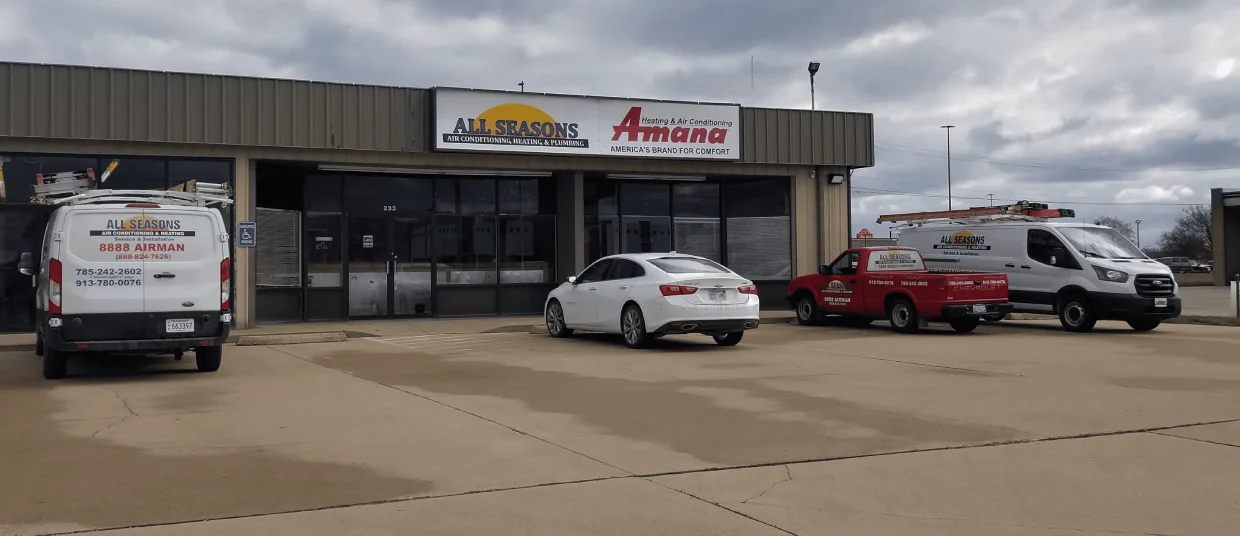
Vassar homeowners can rely on All Seasons Air Conditioning and Heating for professional heat pump service to keep indoor comfort year-round, with repair, installation, maintenance, emergency support, and retrofit options. We detail common local issues such as insufficient heating or cooling, short cycling, ice buildup, and refrigerant leaks, plus a transparent diagnostic and repair workflow from initial triage to written estimates and testing. We outline service packages, response times, technician qualifications, and warranty expectations, and explain how routine maintenance lowers costs while protecting equipment and energy efficiency.
Heat Pump Service in Vassar, KS
A reliable heat pump keeps your Vassar, KS home comfortable year-round, handling humid summers and cold winters with efficient heating and cooling. Whether you need repair, installation, replacement, emergency support, or routine maintenance, understanding what to expect from professional heat pump service helps you make confident decisions and avoid costly downtime. This page outlines common issues in the area, the diagnostic and repair process, service packages, technician qualifications, parts and guarantees, and how estimates and scheduling typically work for Vassar homes.
Why heat pump service matters in Vassar, KS
Vassar experiences wide seasonal swings and occasional severe weather that stress HVAC equipment. Heat pumps here work hard for both heating and cooling, so wear, refrigerant loss, and electrical problems are common. Timely service improves comfort, reduces energy costs, and extends equipment life—important in communities where reliable heating during cold snaps is essential.
Common heat pump issues in Vassar, KS
Most service calls fall into a handful of predictable categories:
- Insufficient heating or cooling: Reduced airflow, low refrigerant, compressor problems, or incorrect thermostat settings.
- Short cycling: Unit turns on and off frequently due to electrical faults, thermostat issues, or refrigerant imbalance.
- Noisy operation or vibration: Loose panels, failing fan motors, or debris in outdoor units—often after storms or high winds.
- Ice buildup on the outdoor coil: Common in winter when defrost cycles fail or airflow is restricted.
- Electrical failures: Tripped breakers, worn contactors, or aging capacitors.
- Refrigerant leaks: Gradual loss of cooling capacity and higher operating costs.
- Worn components and compressor issues: Typical as equipment ages, especially for units older than 10 years.
Service types and what each includes
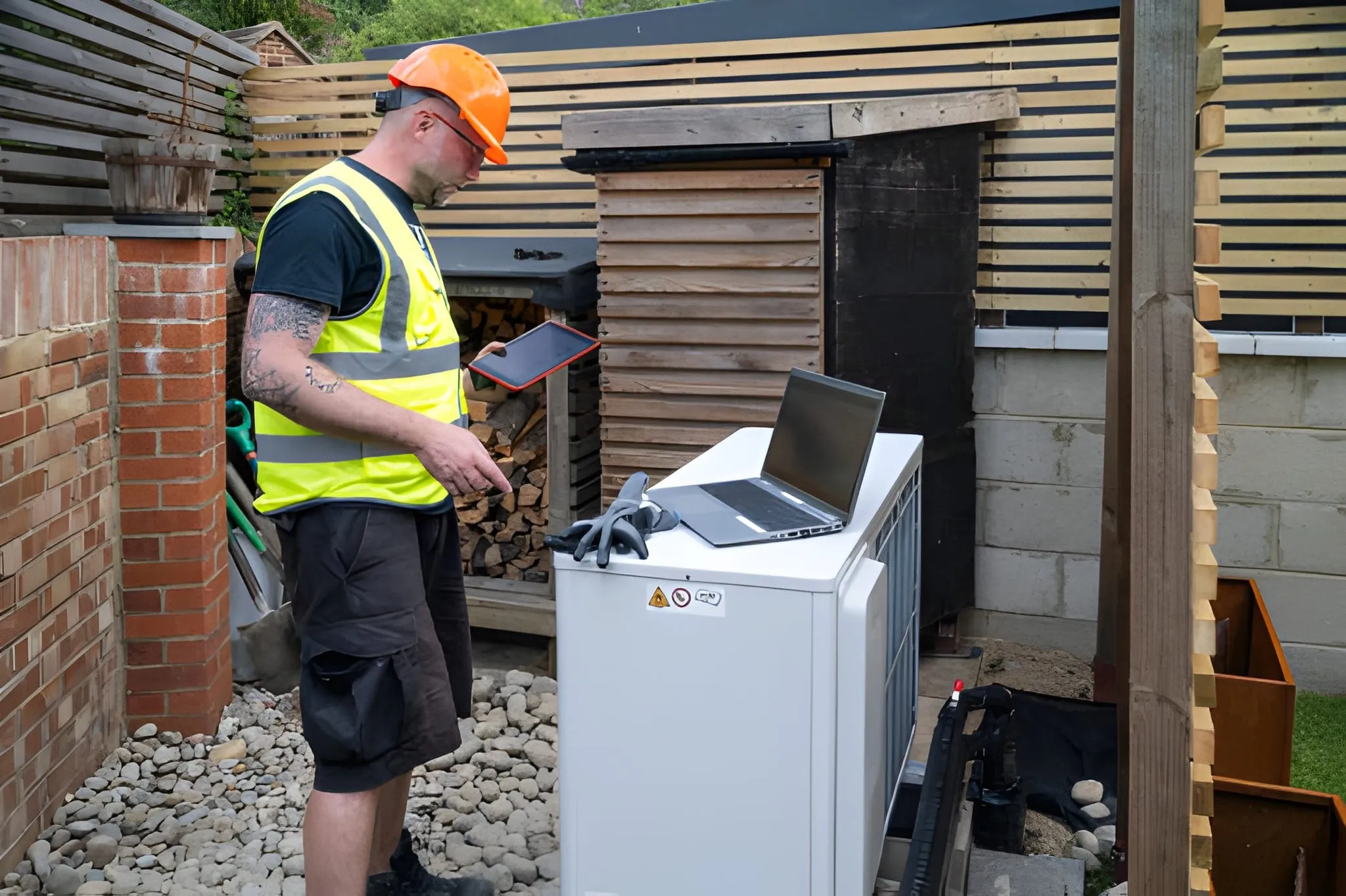
- Diagnostic repair: On-site troubleshooting to identify the root cause, followed by a repair plan. Diagnostics include airflow checks, electrical tests, refrigerant pressure readings, and thermostat calibration.
- Installation and replacement: Sizing analysis for heat pump capacity, ductwork review, load calculations, and removal of the old system. New installations include system start-up, performance testing, and basic homeowner orientation.
- Preventive maintenance: Seasonal tune-ups that typically include filter checks, coil cleaning, refrigerant level inspection, electrical safety checks, lubrication of moving parts, and performance testing.
- Emergency support: Rapid response for failures that threaten comfort or safety during extreme temperatures.
- Retrofit and efficiency upgrades: Adding zoning, smart thermostats, or high-efficiency units to reduce energy use.
Typical diagnostic and repair workflow
The common flow for a service visit is predictable and designed for transparency:
Service packages, response times, and emergency coverage
- Maintenance packages: Typically offered as single-season or annual plans covering inspection, cleaning, and performance tuning. Packages commonly include scheduled visits before peak summer and winter seasons and documentation of system health.
- Response times: For non-emergency visits, scheduling is usually within 1 to 3 business days depending on season and demand. Emergency responses for complete failures during extreme weather often aim for same-day or overnight resolution when possible.
- Emergency scope: Emergency support addresses system failures that pose health, safety, or severe comfort risks—examples include total heat loss in freezing conditions or complete cooling loss during heat waves.
Technician qualifications and parts availability
- Certifications: Technicians servicing heat pumps in Vassar should hold EPA 608 certification for refrigerant handling and relevant state or local HVAC licensing. Additional manufacturer training or NATE certification is common for higher-level diagnostics and warranty work.
- Ongoing training: Technicians receive ongoing training for newer inverter-driven heat pumps, variable-speed compressors, and smart controls to keep up with evolving systems.
- Parts and inventory: Effective service providers stock common replacement parts such as capacitors, contactors, fan motors, and common refrigerant lines. For less common components or specific OEM parts, technicians maintain supplier relationships to minimize downtime.
Service guarantees and quality assurance
Professional heat pump service typically includes:
- Workmanship guarantee: Assurance on the quality of repairs and installations, often covering a set period after service.
- Parts warranty: Manufacturer or supplier warranties on replacement parts, clarified in the written estimate.
- Post-service testing: Verification procedures to confirm the system meets performance and safety expectations before the technician departs.
Maintenance benefits for Vassar homeowners
Regular maintenance reduces emergency calls during Vassar’s temperature extremes, improves efficiency to lower energy bills, prevents premature equipment failure, and maintains manufacturer warranty compliance. Seasonal tune-ups also help catch small issues—like refrigerant leaks or failing capacitors—before they escalate to costly compressor replacements.
How estimates and scheduling typically work
Requesting an estimate or arranging a visit generally follows these steps:
- Provide basic system information: equipment brand, model, age, and a brief description of symptoms or concerns.
- Share availability windows for an on-site assessment; many providers offer morning or afternoon appointment blocks and remote triage if you can share photos.
- Expect a thorough, on-site inspection before any definitive recommendation for repair versus replacement. Estimates are normally itemized and explain why each item is needed.
- For replacements, a complete assessment includes load calculations, ductwork evaluation, and a timeline for removal and installation.
Customer Testimonials
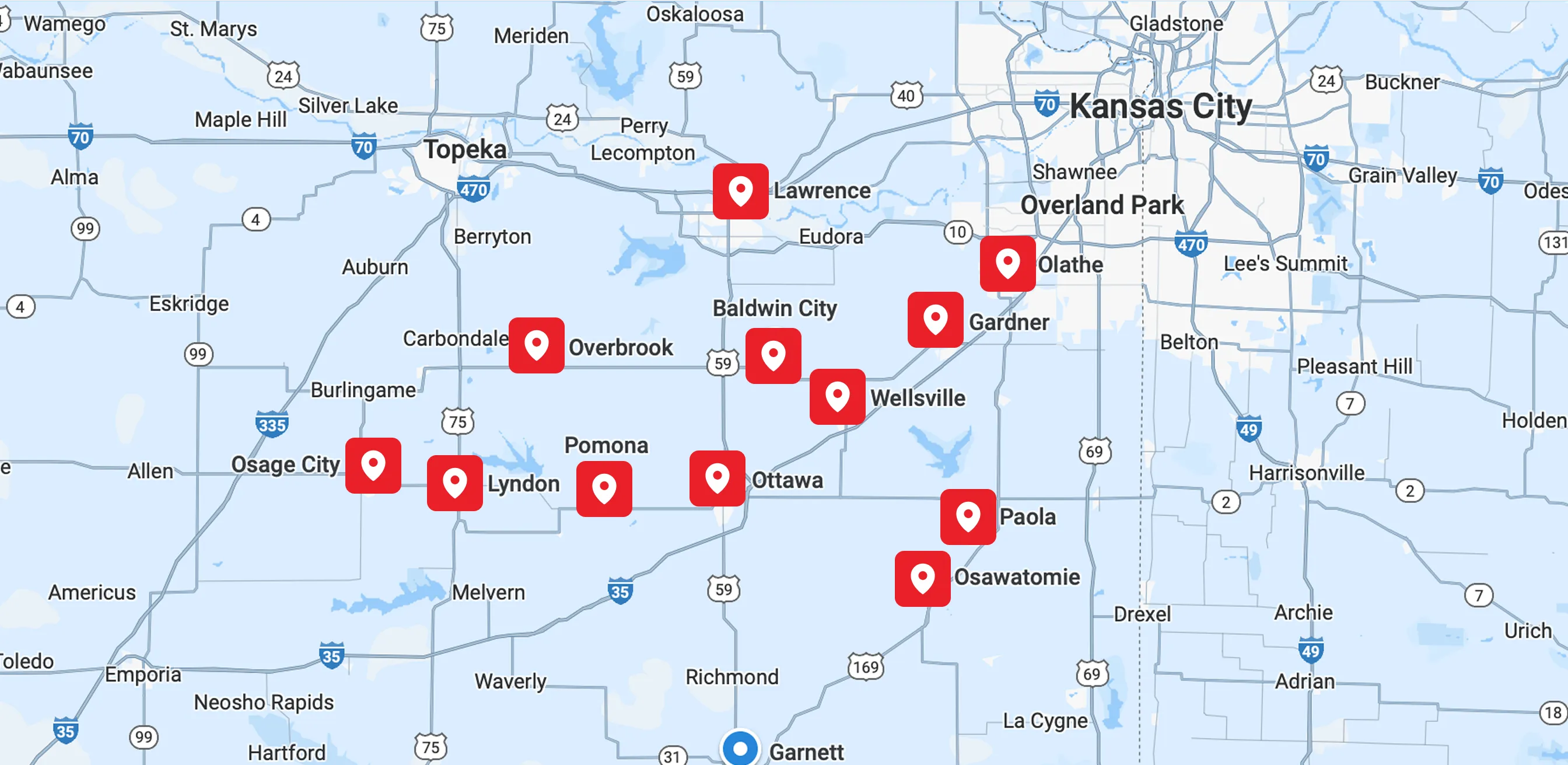
Service Areas