Furnace Installation in Lawrence, KS
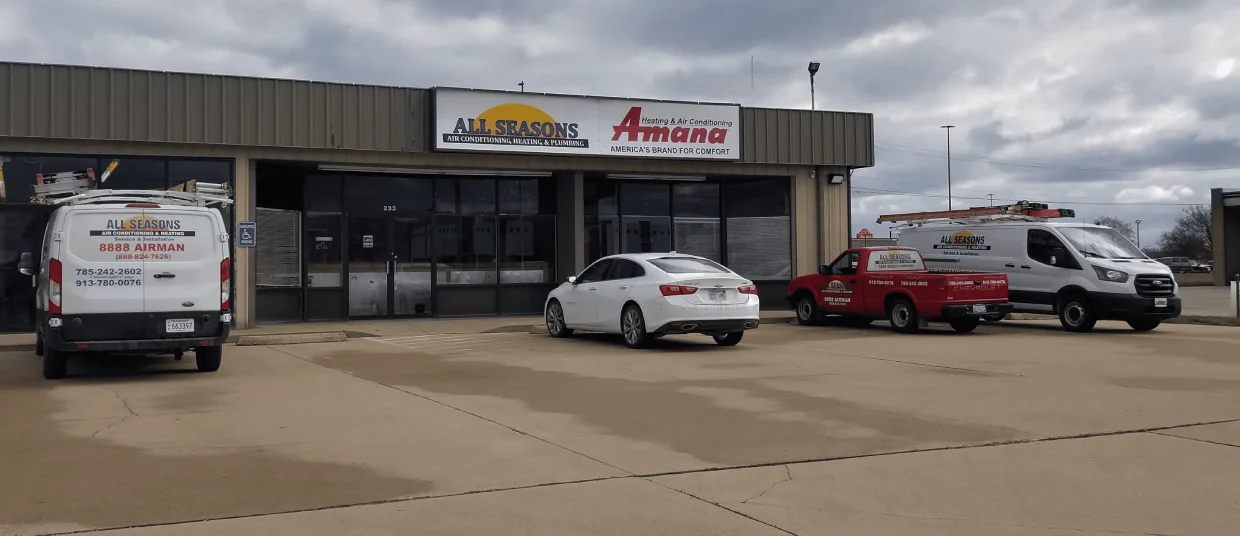
Furnace installation in Lawrence, KS, from All Seasons Air Conditioning and Heating, is explained with a focus on precision sizing, safety, and long-term efficiency. We outline common installation issues such as oversized or undersized units and ductwork problems, plus how a thorough pre-installation assessment, including Manual J and Manual D reviews, prevents repeat work. We cover recommended system types, duct modifications, permits, and a structured installation sequence, followed by commissioning, warranty guidance, and maintenance tips to ensure reliable warmth and energy savings for Lawrence homes.
.jpeg)
Furnace Installation in Lawrence, KS
A properly sized and installed furnace is one of the most important investments for comfort, safety, and energy efficiency in Lawrence, KS homes. With cold winters, occasional deep freezes, and a mix of older and newer housing stock in the area, furnace installation must balance accurate load calculations, ductwork condition, local code compliance, and fuel options to deliver consistent warmth and lower utility bills. This page explains what to expect from professional furnace installation in Lawrence, KS, common issues installers solve, and why each step matters for long-term performance.
Common furnace installation issues in Lawrence, KS
- Aging equipment that struggles during extended cold snaps and drives up repair frequency.
- Incorrectly sized furnaces that short-cycle or run too long, causing uneven comfort and higher energy use.
- Leaky, undersized, or poorly insulated ductwork typical in older Lawrence homes.
- Inadequate combustion air or venting in tightly sealed homes after energy upgrades.
- Incompatible thermostats or lack of zoning for multi-level houses.
Recognizing these issues ahead of replacement prevents repeat work and ensures the new system performs as intended in Lawrence’s climate.
Pre-installation assessment and load calculations
A thorough pre-installation assessment includes a Manual J load calculation and a Manual D duct design review. Technicians will evaluate:
- Square footage, ceiling heights, insulation levels, window types, and orientation.
- Occupancy patterns and typical thermostat settings.
- Existing duct layout, return placement, and any signs of air leakage.
- Fuel availability (natural gas, propane, or electric) and utility rates.
Accurate load calculations are essential to choose the right furnace capacity and to avoid problems like short cycling, poor humidity control, and unnecessary energy use in Lawrence’s variable seasons.
Recommended system types for Lawrence homes
- High-efficiency condensing gas furnaces (AFUE 90%+) — common choice where natural gas is available; excellent for cold winters.
- Modulating or two-stage gas furnaces — offer better temperature control and quieter operation, improving comfort during long heating seasons.
- Cold-climate heat pumps — modern units can handle lower temperatures efficiently and are a good option for homes seeking electric alternatives.
- Electric furnaces or packaged systems — considered when gas or heat pump options are impractical.
Choosing the right type depends on fuel access, home insulation, desired efficiency, and budget priorities.
Ductwork inspection and necessary modifications
Duct performance directly affects how well your new furnace heats your home. Key inspection points:
- Locate and seal leaks at seams, boots, and connections.
- Verify duct sizing and add or resize runs if static pressure is too high.
- Insulate ducts in unconditioned spaces to reduce losses.
- Check return pathways and add returns or transfer grilles as needed for balanced airflow.
- Replace deteriorated flex ducts or corrugated supply runs that restrict flow.
Common modifications include sealing with mastic or UL-181 tape, installing new plenums, adding zoning dampers, and insulating ducts in crawlspaces or attics.
Permit and code compliance in Lawrence, KS
Local building and mechanical permits are typically required for furnace replacement. Projects must meet code requirements for:
- Proper venting and combustion air, including direct venting where required.
- Gas line sizing and pressure testing for safety.
- Electrical wiring and disconnects for the new equipment.
- Carbon monoxide alarms and clearances per local code.
Licensed installers manage permit applications and inspections to ensure the system is approved and safe for operation.
Step-by-step installation procedures
- Site preparation and safety setup, including blocking off work areas.
- Disconnect and remove the old furnace, capping or preparing gas and electrical lines.
- Inspect and modify ductwork as needed for the new unit’s airflow requirements.
- Place and level the new furnace, secure to the platform or pad.
- Connect gas line, electrical supply, condensate drain (for condensing units), and venting.
- Install or upgrade the thermostat and control interfaces.
- Seal penetration points, insulate ducts, and reinstall finished surfaces.
Following a clear sequence reduces surprises and shortens total project time while protecting your home.
Post-installation testing and commissioning
A professional commission includes critical performance and safety checks:
- Static pressure and airflow verification to confirm proper distribution.
- Combustion efficiency and carbon monoxide testing for gas-fired furnaces.
- Electrical checks and verification of safety controls and limit switches.
- Thermostat calibration and cycle testing across stages or modulation ranges.
- Final sealing and insulation verification around ducts and the furnace.
Technicians will also document readings and explain what was tested so you understand how the system performs.
Customer orientation and warranty registration
At handoff, expect a thorough orientation covering:
- How the system works, normal operating sounds, and fuel-specific notes for Lawrence weather.
- Recommended filter types and replacement intervals.
- Maintenance schedule required to keep manufacturer warranties valid.
- How to register warranties and where to store installation documentation.
Proper registration and adherence to maintenance schedules protect part and heat exchanger warranties and help with future service.
Typical project timelines in Lawrence, KS
- Pre-install assessment and load calculations: 1–2 hours on-site, design shortly after.
- Permit processing and scheduling: normally ranges from several days to 1–2 weeks depending on inspection availability.
- Standard furnace replacement (straight swap): typically 4–8 hours.
- Jobs requiring significant duct modifications, structural work, or venting changes: 1–3 days.
- Final inspection and commissioning: same day as installation if inspections are available, otherwise may follow within days.
These timelines vary with project complexity and local permit cycles.
Long-term benefits and maintenance tips
A correctly installed furnace improves comfort, reduces energy costs, and lowers repair frequency. To maximize lifespan and efficiency in Lawrence, KS:
- Schedule annual heating Tune-Ups before the heating season.
- Replace or clean filters every 1–3 months depending on filter type and household conditions.
- Keep return grilles and supply registers unobstructed.
- Maintain carbon monoxide detectors and test them monthly.
- Consider programmable or smart thermostats to optimize runtime and savings.
A professionally executed furnace installation tailored to Lawrence conditions ensures reliable warmth through the cold months, better indoor air quality, and predictable operating costs for years to come.
Customer Testimonials
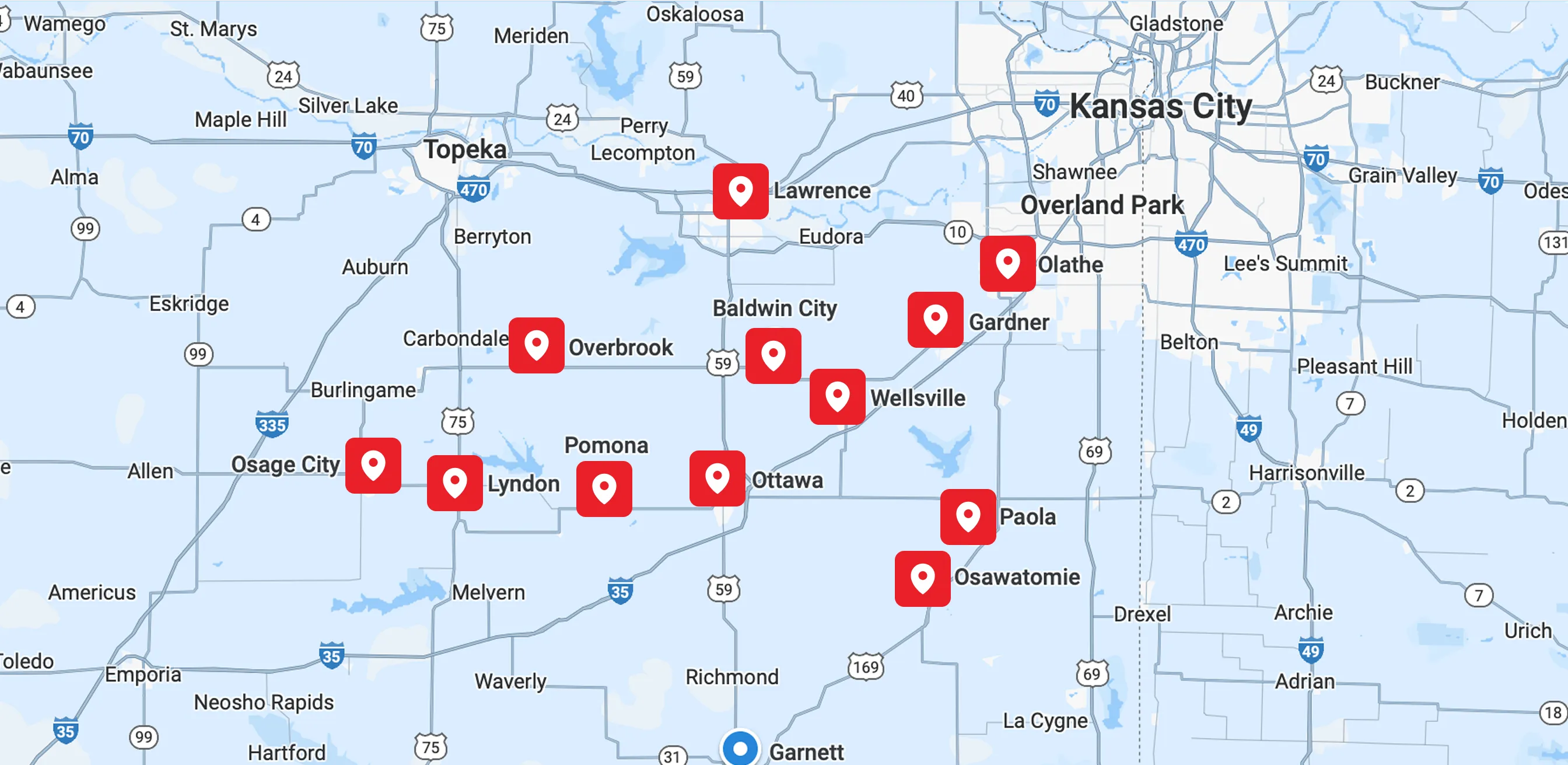
Service Areas