Furnace Repair in Garnett, KS
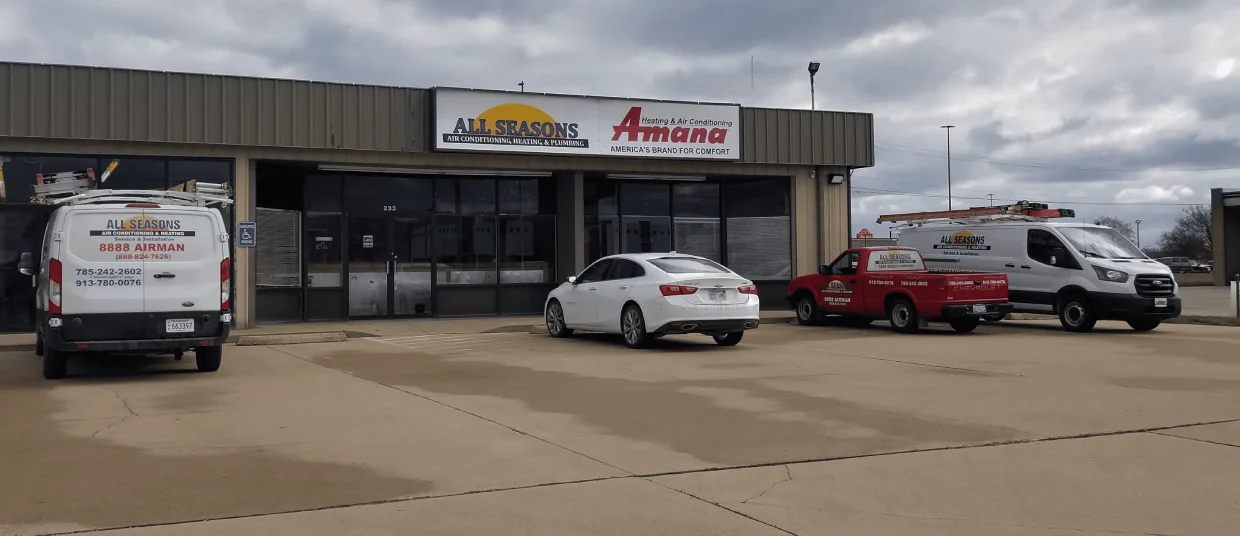
For Garnett, KS furnace repair, All Seasons Air Conditioning and Heating provides fast, accurate diagnostics and durable fixes for ignition, blower, thermostat, and heat-exchanger problems. We describe our systematic diagnostic process, typical repair procedures, and what to expect for emergency service, pricing, and warranties. We highlight our qualified technicians, essential safety checks, and local considerations such as rural dust and aging furnaces. We also offer preventive tips to reduce breakdowns and emphasize timely maintenance as a path to comfort, safety, energy efficiency, and extended equipment life for your home.
-min.webp)
Furnace Repair in Garnett, KS
Keeping your furnace running reliably through Garnett, KS winters is essential for comfort and safety. Professional furnace repair in Garnett, KS focuses on fast, accurate diagnostics and long-term fixes for common issues like ignition and pilot failures, blower motor problems, thermostat faults, and heat exchanger concerns. This page explains typical furnace problems in the Garnett area, how technicians diagnose and repair them, emergency response expectations, parts and labor details, technician qualifications and safety checks, typical pricing ranges, warranty practices, and simple steps homeowners can take to reduce the risk of winter breakdowns.
Why timely furnace repair matters in Garnett, KS
Garnett’s cold winter months and temperature swings increase run-time and stress on heating systems. Many homes in and around Garnett are older or on rural lots, which can mean older furnaces, marginal venting, or more dust and debris that accelerate wear. Leaving a small issue unaddressed can lead to larger failures, reduced efficiency, higher energy bills, and safety hazards like carbon monoxide exposure. Prompt, professional repair restores comfort, preserves equipment life, and helps keep your family safe.
Common furnace repair issues in Garnett, KS
- Ignition and pilot problems: Interrupted pilot lights or failing electronic igniters are frequent, especially after power surges or during the first cold snap. Symptoms include furnace not starting, repeated lockouts, or strange smells when starting.
- Blower motor failures: Burned bearings, worn belts, or motor electrical faults cause weak airflow, noisy operation, or no airflow at all. Homes with closed or undersized return vents in Garnett can strain blowers.
- Thermostat faults: Incorrect calibration, failed sensors, or wiring issues can prevent the furnace from cycling properly. Older mechanical thermostats and improperly programmed digital thermostats both lead to comfort complaints.
- Heat exchanger concerns: Cracked or corroded heat exchangers reduce heating efficiency and present a carbon monoxide risk. Any suspicion of heat exchanger damage requires immediate professional inspection.
- Airflow restrictions and duct issues: Dirty filters, blocked vents, or leaky ducts reduce system performance and cause short cycling.
- Ignition control boards and safety switches: Moisture, age, and electrical spikes can damage controls, causing intermittent operation or total shutdown.
How technicians diagnose furnace problems
A quality diagnostic follows a systematic process to identify root causes:
Typical repair procedures and solutions
- Ignitor or pilot assembly replacement: Replace malfunctioning ignitors or pilot components and test flame sensors to restore reliable ignition.
- Blower motor service or replacement: Clean bearings, replace belts or capacitors, and if necessary, install a new blower motor matched to the system.
- Thermostat repair or upgrade: Repair wiring, recalibrate or recommend an upgraded thermostat for improved control and efficiency.
- Heat exchanger evaluation: Minor cracks may sometimes be isolated but often require full replacement of the heat exchanger or consideration of furnace replacement for older units.
- Control board and safety switch replacement: Replace faulty controls and recalibrate safety limits for reliable operation.
- Duct and airflow fixes: Replace clogged filters, clear blockages, and seal or insulate ducts to restore balanced airflow.
Emergency repair availability and response time
Emergency furnace repair in Garnett, KS is important during subfreezing weather. Emergency service availability typically includes evening and weekend response for no-heat conditions, with response times varying by workload and location. In most cases for local providers, you can expect response within a few hours to the same day for true emergency calls in the Garnett area. Technicians prioritize safety issues such as suspected gas leaks or carbon monoxide and will perform temporary measures to restore heat while scheduling follow-up repairs.
Parts, labor, and typical pricing
Repair costs vary depending on the part, system age, and labor required. Typical regional ranges include:
- Diagnostic fee: commonly between $75 and $150 to cover on-site inspection and testing.
- Minor repairs (thermostat fix, sensor replacement, minor part swaps): often $150 to $400 total.
- Blower motor or control board replacement: frequently $400 to $1,200 depending on motor type and labor complexity.
- Heat exchanger repair or replacement: can range widely; replacement often leads homeowners to evaluate full furnace replacement if the furnace is older.Factors that affect price include part availability, warranty coverage, access (attic or crawlspace work), and whether system conversion or ventilation adjustments are needed.
Technician qualifications and safety checks
Qualified furnace technicians servicing Garnett homes should be:
- EPA certified for handling refrigerants where applicable and trained in combustion safety.
- Trained on national fuel safety standards and familiar with common furnace makes and models used locally.
- Experienced in diagnosing gas and electric furnaces, performing combustion analysis, and conducting carbon monoxide testing.Typical safety checks performed on every repair include:
- Combustion analysis and carbon monoxide check.
- Gas leak and venting integrity inspection.
- Electrical connection inspection and proper grounding.
- Verifying safety interlocks and limit switches operate correctly.
- Post-repair performance testing for proper temperature rise and airflow.
Warranty information
Parts replaced during a repair often carry manufacturer parts warranties and limited labor warranties from the service provider. Typical repair labor warranties range from 30 days to 1 year depending on the company policy and the complexity of the repair. Manufacturer warranties vary by component and product age. Always ask for written warranty details for parts and labor and retain invoices for future warranty claims.
Preventive tips to avoid future breakdowns
- Schedule annual pre-season maintenance - clean burners, test ignition systems, inspect heat exchangers, and change filters.
- Replace 1-inch disposable filters every 1 to 3 months; thicker filters less frequently per the manufacturer.
- Keep return vents and registers unobstructed and consider a professional duct inspection if airflow feels uneven.
- Install and maintain working carbon monoxide detectors near sleeping areas.
- Address odd noises, unusual smells, or short cycling early before a small problem becomes a major failure.
- Consider a maintenance plan for priority service and discounted repairs, which is particularly helpful in rural and cold-weather seasons.
Final thoughts
Furnace repair in Garnett, KS requires quick, accurate diagnostics and experienced technicians who understand local conditions and safety priorities. Addressing ignition issues, blower motor failures, thermostat faults, or heat exchanger concerns promptly protects your family, reduces energy costs, and extends furnace life. Regular maintenance and attention to airflow and safety systems will prevent many emergency repairs and keep your home comfortable through Garnett’s winter months.
Customer Testimonials
Service Areas