Furnace Repair in Rantoul, KS
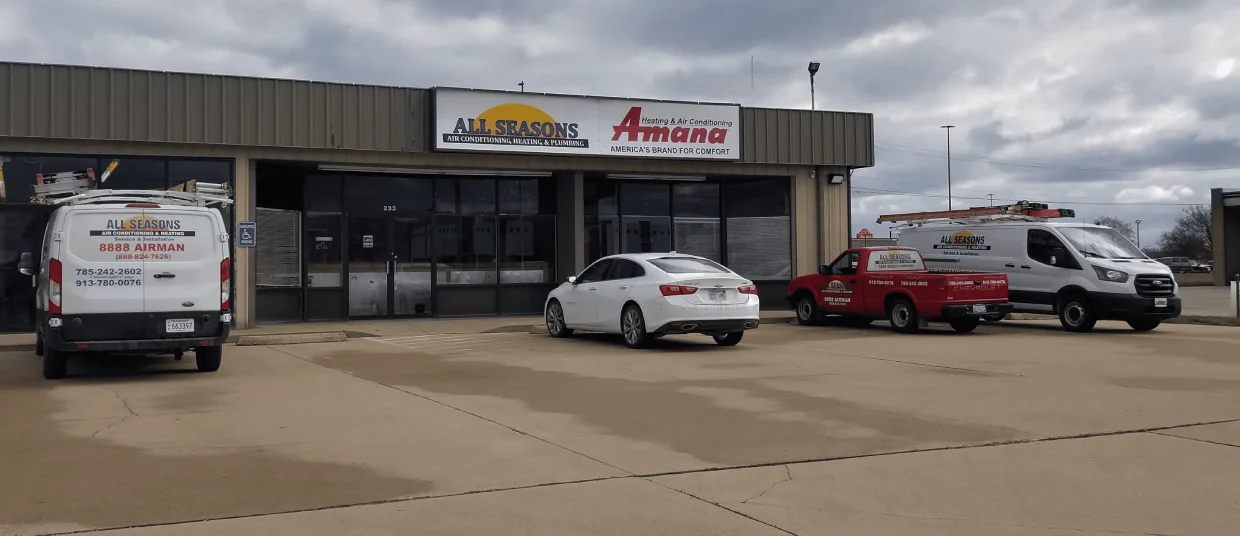
Furnace repair services in Rantoul, KS from All Seasons Air Conditioning and Heating focus on quick diagnostics, safe heat restoration, and preventing carbon monoxide hazards. We outline common symptoms, our structured diagnostic process, and typical repair categories—from ignition and blower issues to control boards and gas components. We also cover emergency response, warranties, replacement guidance, and safety practices, plus maintenance tips to reduce future outages. Clients are guided through upfront estimates, transparent timelines, and scheduling options to restore comfort efficiently and safely.
Furnace Repair in Rantoul, KS
When your furnace struggles on a cold Rantoul night, it affects comfort, safety, and energy bills. Professional furnace repair in Rantoul, KS focuses on diagnosing problems quickly, restoring reliable heat, and protecting your home from hazards like carbon monoxide and gas leaks. Whether your system is making unusual noises, cycling frequently, or not producing warm air, understanding symptoms, the diagnostic process, and common repairs helps you make informed decisions about service and long-term comfort.
Why timely furnace repair matters in Rantoul
Rantoul experiences cold winter temperatures, occasional heavy winds, and freeze-thaw cycles that stress heating systems and home piping. Delaying repairs can lead to larger failures during peak cold snaps, higher utility bills, and safety risks in homes with natural gas furnaces. Prompt diagnosis and repair preserve system efficiency, extend equipment life, and reduce the chance of emergency breakdowns.
Common furnace symptoms that indicate repair is needed
Look for these signs in Rantoul homes — they typically mean a professional inspection is warranted:
- Furnace won’t start or has intermittent operation
- No heat or weak airflow despite the blower running
- Short cycling (turning on and off frequently)
- Unusual noises: banging, squealing, rattling, or humming
- Strong or unusual odors when the furnace runs
- Pilot light issues or repeated ignition failures
- Rising utility bills without a change in thermostat settings
- Yellow pilot light (possible combustion problem) or soot around the burner
- Elevated indoor humidity or uneven heating across rooms
- Any alarm or detector indication of carbon monoxide concern
How technicians diagnose furnace problems
A structured diagnostic process ensures repairs are targeted and safe:
Technicians in Rantoul typically document findings, explain the root cause in plain language, and outline repair options with expected outcomes.
Typical furnace repairs performed
Most repairs fall into a few common categories:
- Ignition and pilot system repairs: Replace flame sensors, pilot assemblies, or electronic ignition modules to restore reliable startup.
- Blower motor and fan repairs: Repair or replace motors, bearings, belts, and fan assemblies to restore airflow and reduce noise.
- Control boards and electrical components: Replace failed control boards, relays, capacitors, and wiring to fix intermittent or nonresponsive systems.
- Gas valves and line servicing: Inspect and repair gas valves, regulators, and connectors; test for leaks and ensure proper combustion.
- Heat exchanger and burner maintenance: Clean burners, correct combustion issues, and inspect the heat exchanger for cracks that can lead to safety hazards.
- Minor duct repairs and airflow balancing: Seal accessible leaks and adjust dampers to address uneven heating.
Technicians will explain whether repairs are permanent fixes, temporary measures to restore heat, or part of an approach that may lead to replacement considerations.
Emergency furnace repair and response options
During severe cold or after-hours incidents, emergency response focuses on safety and getting heat back quickly:
- Triage and safety instructions: Technicians provide immediate steps to ensure occupant safety, including advising on ventilation and carbon monoxide detector response.
- Temporary heating and stabilization: If possible, techs implement temporary fixes or workarounds to restore heat while securing parts for a full repair.
- Priority scheduling: On-call technicians prioritize homes with vulnerable occupants (elderly, infants, medical needs) and signs of combustion or gas-related hazards.Emergency response in Rantoul accounts for rural access, travel conditions, and local parts availability; technicians plan repairs to minimize repeat visits.
Parts, warranties, and replacement guidance
Quality parts and clear warranty coverage matter for peace of mind:
- OEM and aftermarket parts: Technicians use manufacturer-recommended parts for long-term reliability; when aftermarket parts are used they are chosen to meet OEM specifications.
- Warranty information: Repairs often include parts and limited labor warranties; manufacturers may also carry separate warranties on heat exchangers and major components. Technicians will explain what warranties apply to parts and work performed.
- When replacement is the better option: If recurring failures, extensive heat exchanger damage, or age-related inefficiency make repair uneconomical, technicians explain replacement versus repair tradeoffs, focusing on long-term cost, efficiency, and safety.
Technician qualifications and safety procedures
Safety is paramount for furnace repair, especially with gas-fired systems:
- Certified and trained technicians: Professionals servicing furnaces in the area undergo industry-standard training and certifications relevant to combustion safety, refrigerant handling where applicable, and electrical systems.
- Safety protocols: Routine carbon monoxide checks, gas leak detection, proper venting verification, and lockout/tagout procedures are standard before, during, and after repairs.
- Documentation: Technicians record safety tests, combustion readings, and parts installed so homeowners have a clear service history.
Transparent estimates and repair process
Homeowners should expect clarity at every step:
- Upfront diagnostics and written estimates: After the inspection, technicians provide a clear, written explanation of findings and repair options, including parts to be replaced and the expected scope of work.
- Cost factors explained: Estimates account for parts quality, labor, system accessibility, and whether permit or code work is required.
- Repair timeline: A realistic timeline for parts procurement and repair completion is provided so you know what to expect.
Maintenance and reducing future repairs
Regular seasonal maintenance lowers the chance of mid-winter failures:
- Annual pre-season Tune-Ups for furnaces ensure safe combustion, clean burners, healthy airflow, and efficient operation.
- Simple homeowner actions: Replace or clean filters regularly, keep vents clear, and maintain clearances around the furnace.
- Maintenance plans: Regular inspections detect worn components early and preserve warranty compliance for some manufacturers.
Scheduling and emergency service availabilityFurnace repair services in Rantoul are offered with standard business-hour scheduling and provisions for after-hours emergency response. Homeowners can arrange a diagnostic visit or request emergency assistance through the provider’s available scheduling channels. Technicians servicing Rantoul are prepared for local weather impacts, rural access considerations, and the common furnace models used in area homes.
If your furnace is showing signs of trouble, a prompt diagnostic inspection protects comfort, safety, and equipment longevity in Rantoul, KS.
Customer Testimonials
Service Areas