Furnace Replacement in Garnett, KS
Furnace replacement in Garnett, KS by All Seasons Air Conditioning and Heating outlines when upgrading your furnace is advisable, considering age, safety concerns, rising energy bills, comfort issues, and obsolete parts. We describe a thorough on-site evaluation, from heat exchanger inspection to load calculations (Manual J) and fuel options, to help homeowners compare repairs versus replacement. We emphasize selecting high-efficiency models with proper sizing, review financing and rebates, and outline removal, installation, warranties, and testing. We also highlight long-term energy savings and improved comfort for your home.
-min.webp)
Furnace Replacement in Garnett, KS
Replacing an aging or failing furnace is one of the most effective upgrades you can make for comfort, safety, and monthly energy costs in Garnett, KS. Winters in southeast Kansas can bring sustained cold snaps and high heating demand. If your furnace is more than 12 to 15 years old, needs frequent repairs, produces uneven heat, or shows safety concerns, a modern, properly sized unit with a high AFUE rating can deliver quieter operation, lower fuel bills, and more reliable warmth through the season.
When replacement is recommended: common signs and evaluation process
Technicians recommend replacement when one or more of the following apply:
- Furnace age and repair history: frequent breakdowns or costly repairs on older systems.
- Safety concerns: cracked heat exchanger, persistent carbon monoxide alarms, or unsafe combustion.
- Rising energy bills: significant increases in fuel use despite normal use patterns.
- Poor comfort: hot and cold spots, cycling on and off too often, long warm-up times.
- Parts availability: obsolete models with hard-to-source components.
Typical on-site evaluation includes:
- Visual inspection of the heat exchanger, burners, vents, and flue.
- Combustion and safety testing for CO, draft, and proper venting.
- Review of past service records and estimate of remaining life.
- Ductwork assessment for leakage or airflow restrictions.
- Load calculation (Manual J) to determine correct furnace size for the home.
- Discussion of fuel options, efficiency goals, and budget constraints.
A technician who documents these findings can help you compare repair versus replacement cost and performance so you can make an informed decision.
Selecting an energy-efficient model and correct sizing
Choosing the right furnace for Garnett homes is about two things: efficiency and proper sizing.
- AFUE explained: AFUE (Annual Fuel Utilization Efficiency) rates how well the furnace converts fuel into heat. Modern high-efficiency gas furnaces commonly range from 92 percent to 98 percent AFUE. Higher AFUE delivers lower fuel consumption and greater savings over time, which is important during Garnett winters when heating demand is high.
- Proper sizing: A Manual J load calculation determines the precise heating requirement for your home. Oversized units cause short cycling, higher wear, and inconsistent comfort. Undersized units struggle to reach set temperatures. Variable-speed blowers and modulating burners improve comfort by matching output to demand.
- Fuel and system type: Natural gas is common in the region, but propane, oil, and electric options are available. Heat pumps paired with supplemental heating are increasingly efficient where suitable. Your technician will recommend the best fuel and configuration for your property and local energy prices.
- Indoor air quality and controls: Consider a furnace with variable fan speeds and compatibility with programmable or smart thermostats. Matching filtration and ventilation improvements at installation will maximize comfort and indoor air quality.
Free on-site estimates and financing guidance
Free on-site estimates let you compare options side by side. A thorough estimate includes recommended furnace models, AFUE ratings, proper sizing details, projected energy savings, installation scope, warranty coverage, and removal/disposal plans for your old unit.
Financing options are often available through multiple sources to spread out the investment. Ask about manufacturer financing or third-party plans that fit typical replacement budgets. In Garnett, homeowners should also check for local utility rebates, state energy incentives, and manufacturer trade-in credits that can reduce upfront cost. Trades where an older inefficient unit is turned in sometimes qualify for additional savings or promotions.
Removal, disposal, installation timeline, and warranties
- Removal and disposal: Old furnaces are removed safely and disposed of in accordance with local regulations. Metal recycling and proper handling of any hazardous components are standard practice. If the replacement involves refrigerant-containing equipment, recovery and recycling procedures are followed.
- Installation timeline: A straightforward furnace replacement in a typical single-family home often takes between 4 and 8 hours from start to finish. Jobs that require duct modifications, new gas lines, structural adjustments, or complex venting can take a full day or more. Expect the process to include removal, mounting, duct and gas/vent connections, system commissioning, and a homeowner walkthrough of controls.
- Testing and commissioning: Technicians will test combustion, airflow, safety interlocks, and thermostat calibration. Final checks ensure peak performance and compliance with local codes.
- Warranties: Manufacturer warranties commonly include limited parts coverage (often 5 to 10 years) and sometimes extended heat exchanger warranties (10 to 20 years or lifetime for qualifying models when registered). Some manufacturers offer extended warranties for labor or parts with registration and proper maintenance. Keep your warranty paperwork and follow recommended maintenance schedules to preserve coverage.
Expected energy savings and long-term benefits
Energy savings from a replacement depend on the age and efficiency of your previous furnace. Typical examples:
- Replacing an older 60 percent AFUE furnace with a 95 percent AFUE model can cut fuel consumption by roughly 30 to 40 percent under similar usage patterns.
- Upgrading from a mid-efficiency 80 percent AFUE to a 95 percent model typically yields 10 to 20 percent savings.
Beyond direct energy savings, benefits include:
- More consistent home temperatures and reduced hot/cold spots.
- Quieter operation and improved indoor comfort.
- Fewer emergency repairs and lower maintenance costs.
- Improved safety with up-to-date combustion controls and sealed combustion options.
- Compatibility with modern thermostats for smarter scheduling and control.
Maintenance tips to protect your investment
Regular maintenance preserves efficiency, reliability, and warranty eligibility:
- Schedule annual professional Tune-Ups, especially before winter.
- Replace filters according to the manufacturer schedule, more often during heavy use or if you have pets.
- Keep vents and registers clear and ensure adequate return airflow.
- Monitor for unusual noises, odors, or increases in fuel bills and address issues promptly.
- Keep installation documentation and warranty registration in a safe place.
Replacing your furnace is a significant home investment that pays off through lower energy costs, improved comfort, and peace of mind—especially in Garnett, KS where cold weather makes dependable heat essential. A careful evaluation, proper sizing, and selection of the right high-efficiency model will deliver the best performance and savings for your home.
Customer Testimonials
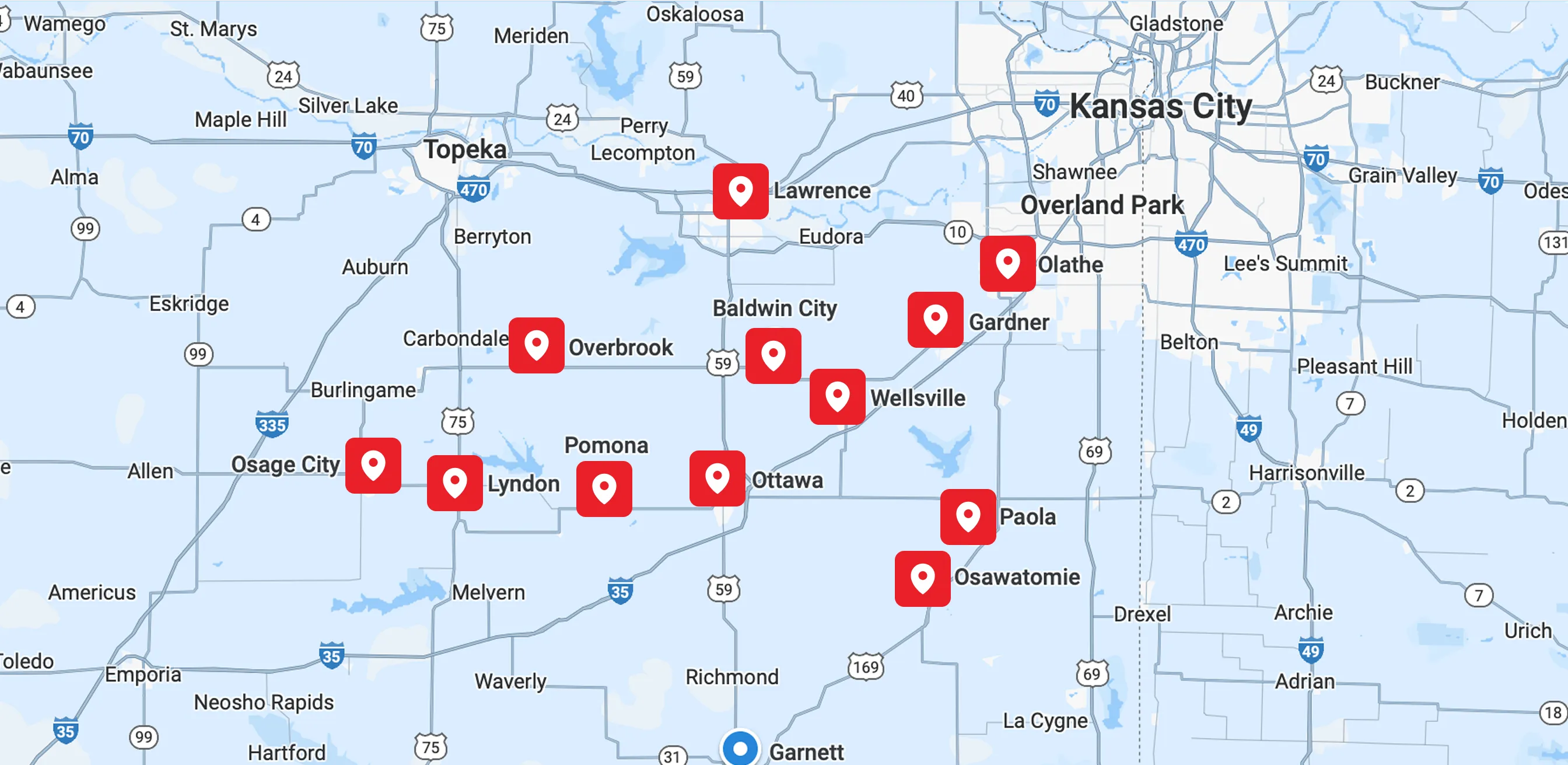
Service Areas