Heating Installation in Princeton, KS
Princeton, KS homeowners can expect a careful, code-compliant heating installation from All Seasons Air Conditioning and Heating that prioritizes safety, efficiency, and long-term reliability. Our process begins with a site assessment and Manual J load calculation to size the system accurately, followed by duct evaluations as needed. We guide choices among gas furnaces, cold-climate heat pumps, or dual-fuel setups, then execute the installation with permits, testing, and commissioning. Ongoing maintenance and warranties reinforce performance, comfort, and energy savings across changing Princeton weather conditions.
Heating Installation in Princeton, KS
Upgrading or installing a new heating system in Princeton, KS is one of the most impactful investments you can make in home comfort and long-term energy savings. With cold Kansas winters, occasional deep freezes, and humid summers that place additional strain on HVAC systems, selecting and installing the right furnace or heat pump tailored to your home is critical. This page explains the full process for new heating system installation in Princeton, KS, what you can expect on installation day, and why a professional, code-compliant approach matters for safety, efficiency, and reliability.
Common reasons Princeton homeowners replace their heating systems
- Old or failing equipment producing inconsistent heat or higher energy bills
- Frequent repairs making replacement more economical than continued fixes
- Desire for higher efficiency models to lower fuel or electric costs during cold months
- Switching fuel types (for example from electric or propane to natural gas where available) or adding a heat pump for year-round efficiency
- Home renovation, addition, or changes to ductwork that require a new system properly sized for updated loads
Initial site assessment and load calculations
A proper installation begins with a complete site assessment unique to Princeton homes. Technicians evaluate:
- Home square footage, insulation levels, window types, and orientation
- Existing ductwork condition and layout
- Local climate factors, like typical January lows and freeze events that affect sizing decisions
- Fuel availability and preferences: natural gas, propane, electric, or hybrid options
From this assessment a Manual J load calculation is performed to determine the correct system size. Correct sizing prevents short cycling, improves comfort, and extends equipment life. A complementary duct evaluation (Manual D) identifies whether repairs or modifications are needed to deliver balanced heating throughout the home.
Choosing the right furnace or heat pump for Princeton, KS
Selecting the right system balances upfront cost, long-term efficiency, and suitability for local weather:
- Gas furnaces: High AFUE ratings are ideal in prolonged cold stretches. Look for two-stage or modulating burners and variable-speed blowers for even heat and lower operating costs.
- Heat pumps: Modern cold-climate heat pumps provide efficient heating down to lower temperatures than older models and also supply cooling in summer. Consider inverter-driven compressors and high HSPF ratings.
- Dual-fuel systems: Combine a heat pump with a gas furnace to achieve maximum efficiency across changing Princeton conditions.
- Fuel choice: In areas without natural gas, propane or high-efficiency electric systems may be preferable. A professional will assess local fuel reliability and cost patterns.
Key features to weigh: efficiency ratings (AFUE, HSPF), staging and modulation for comfort, noise levels, warranty lengths, and compatibility with existing ducts and thermostats.
Step-by-step installation process
- Confirm equipment model, placement, and electrical and venting requirements
- Handle local permit applications and schedule inspections according to Franklin County and Kansas codes
- Protect flooring and landscaping
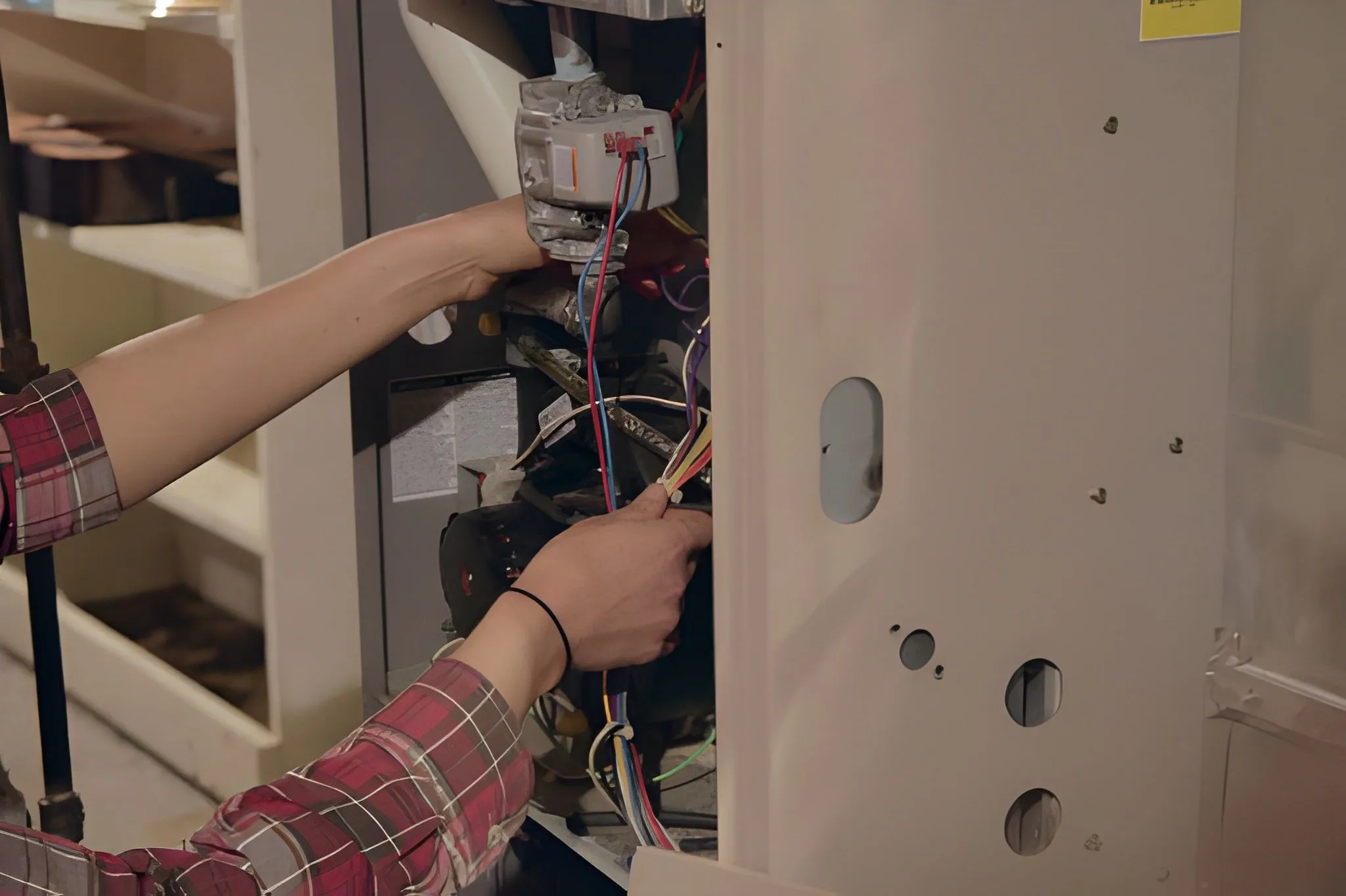
- Shut down and safely remove old equipment
- Inspect and prepare duct connections, combustion air, and venting
- Position the new unit and secure it to code-compliant mounts or pads
- Install required venting, flue connections, and condensate drainage where applicable
- Run or update necessary electrical and gas lines per local code
- Connect to ductwork and refrigerant lines (for heat pumps)
- Install or program compatible thermostat and controls
- Seal and insulate connections to prevent heat loss
- Perform combustion analysis and carbon monoxide testing for gas systems
- Verify refrigerant charge, airflow, and system pressures for heat pumps
- Test safety controls, electrical connections, and thermostat operation
- Conduct a final walkthrough and explain operation and maintenance basics
Typical duration: like-for-like replacements often complete in one day. Complex installs, duct modifications, or switching fuel types may take one to three days.
Code, permits, and inspections
Installations in Princeton require compliance with Kansas state mechanical and fuel gas codes, and often a local permit and inspection by the county or municipality. Professional installers will:
- Pull all required permits
- Schedule and attend inspections
- Ensure venting, combustion air, electrical, and gas connections meet code
- Provide documentation of compliance and equipment specifications for homeowner records
This protects safety, preserves manufacturer warranties, and avoids issues at resale.
Post-installation testing and commissioning
A comprehensive commissioning verifies the system performs as intended in real-world conditions:
- Confirm output temperatures and steady-state operation
- Balance airflow room to room and adjust dampers if needed
- Calibrate thermostats and check scheduling and zoning controls
- Provide safety checks such as limit switch tests and CO monitoring for gas systems
Installers should leave a report summarizing test results, operating instructions, and recommended maintenance schedule.
Warranty and maintenance enrollment options
New systems include manufacturer warranties covering parts and sometimes labor. Consider:
- Registering the equipment with the manufacturer to preserve full warranty coverage
- Purchasing extended warranties where available for added protection
- Enrolling in a biannual maintenance plan to maintain warranty validity and ensure peak performance
A maintenance plan typically includes spring AC and fall furnace visits, filter replacement guidance, safety checks, and priority scheduling. Regular maintenance reduces emergency calls during Kansas cold snaps and helps preserve system efficiency.
What Princeton homeowners can expect on installation day
- Clear arrival window and professional technicians who follow job site protection practices
- Removal of old equipment and cleanup of the work area
- Onsite adjustments to ductwork, vents, and controls as required
- A demonstration of system operation and instruction on thermostat use
- Final paperwork including permit documents, warranty registration steps, and maintenance plan options
Long-term benefits and practical tips
- Properly sized and installed systems provide consistent comfort, lower monthly energy costs, and longer equipment life
- In Princeton, choosing equipment rated for cold-climate performance helps during extended freezes and reduces reliance on backup heating
- Simple homeowner practices improve outcomes: change filters regularly, keep outdoor units clear of debris and snow, and schedule annual inspections
A careful assessment, code-compliant installation, and ongoing maintenance create a reliable heating system tailored to Princeton, KS homes and weather patterns.
Customer Testimonials
Service Areas