Heating Repair in Lawrence, KS
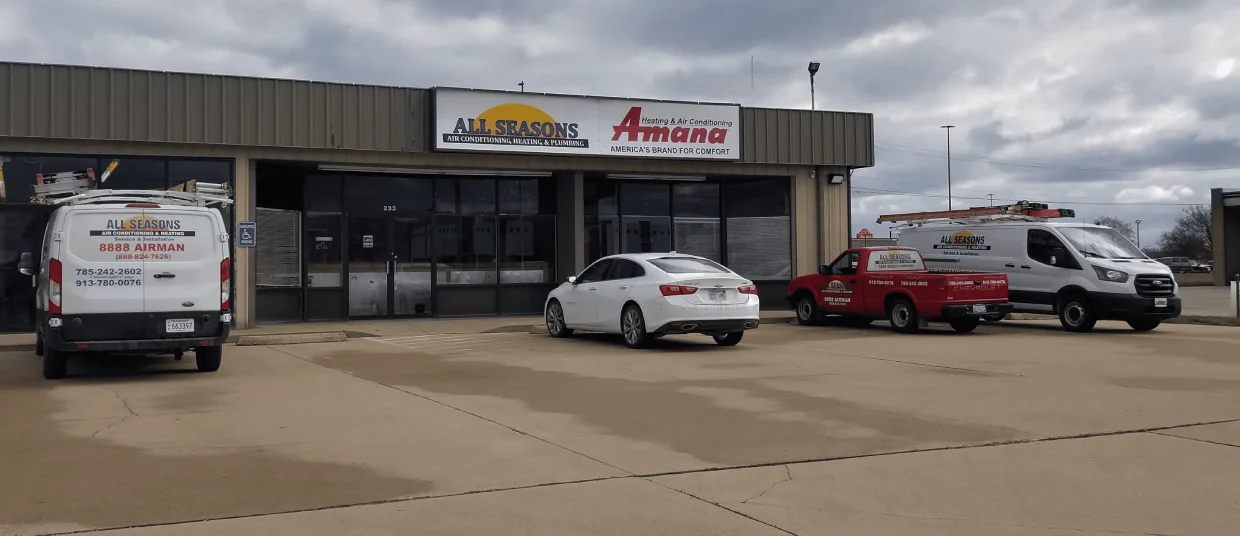
Heating repair in Lawrence, KS, is explained in detail by All Seasons Air Conditioning and Heating, outlining common faults, diagnostic steps, and practical fixes for furnaces, heat pumps, and boilers. We cover when to seek emergency or same-day service, typical costs, parts, warranties, and technician qualifications. We emphasize safety, transparent pricing, and quiet, efficient operation. Readers learn how our professional diagnostics isolate root causes, what repairs to expect, and how our preventive tips can reduce future breakdowns and energy bills while maintaining comfort.
.webp)
Heating Repair in Lawrence, KS
Winter in Lawrence can be abrupt and unforgiving. When your furnace, heat pump, or boiler fails, you need fast, accurate diagnostics and repairs that restore comfort, safety, and efficiency. This page explains what to expect from professional heating repair in Lawrence, KS: common faults, diagnostic steps, typical fixes, emergency and same-day options, parts and warranty considerations, technician qualifications and safety procedures, transparent pricing practices, and practical tips to avoid future breakdowns.
Why timely heating repair matters in Lawrence, KS
Lawrence experiences cold winters and occasional polar air masses that push systems harder than in milder climates. Older homes in historic neighborhoods and rental properties near the university often have aging equipment or undersized systems that are more likely to fail under sustained cold. Delaying repairs can increase energy bills, cause unsafe conditions (like carbon monoxide risks), and lead to more costly replacements. Prompt, accurate repair restores comfort and protects your home and family.
Common heating repair issues in Lawrence, KS
These failures are frequently seen in Lawrence homes, especially during the first cold snaps:
- Ignition or pilot failures (no heat production)
- Intermittent heating or short cycling
- Weak airflow or cold spots (blowers, duct problems)
- Thermostat miscalibration or wiring faults
- Burner or combustion problems (soot, inefficient flames)
- Electrical issues (blown fuses, failed control boards, capacitors)
- Heat pump failures (loss of heating mode, refrigerant leaks, defrost problems)
- Boiler issues (low pressure, leaking valves, circulator pump failure)
- Carbon monoxide concerns or blocked vents
How a professional diagnostic is performed
A good diagnostic procedure isolates the root cause quickly and safely. Typical steps include:
- Visual inspection of the appliance and surrounding area (vents, flue, filters, cabinet).
- Thermostat verification and system startup sequence check.
- Electrical tests: voltage, current draw on motors and capacitors, control board diagnostics.
- Combustion and gas system checks for furnaces and boilers: gas pressure, burner flame quality, heat exchanger inspection if accessible.
- Refrigerant and pressure testing for heat pumps and hybrid systems.
- Airflow measurement and duct inspection to identify blockages or leaks.
- Safety tests: carbon monoxide detection, flue draft, limit switch operation.
Technicians document findings, explain repair options in plain language, and prioritize safety risks.
Typical repairs and solutions
Depending on the diagnosis, common repairs in Lawrence include:
- Ignitor or pilot assembly replacement and cleaning
- Flame sensor cleaning or replacement
- Gas valve repair or replacement
- Blower motor repair or capacitor replacement
- Thermostat repair or upgrade to a programmable/smart thermostat
- Control board diagnostics and module replacement
- Burner cleaning, adjustment, and combustion tuning
- Heat exchanger repair (if feasible) or replacement recommendation
- Refrigerant leak repair and recharge for heat pumps
- Circulator pump replacement, zone valve repair, or boiler pressure correction
Each repair is matched to the system type (furnace, heat pump, boiler) and the homeowner’s long-term goals: restore now vs upgrade for efficiency.
Emergency response and same-day repairs
Cold snaps and equipment failures require rapid response. Emergency heating repair services in Lawrence typically include:
- Prioritized scheduling and rapid arrival windows during extreme weather
- On-the-spot temporary fixes to restore heat safely
- Same-day repairs when common replacement parts are stocked or readily available
- Isolation and containment of safety hazards (gas leaks, carbon monoxide) with immediate mitigation
Expect technicians to stabilize conditions first, then recommend permanent fixes.
Parts, warranties, and repair longevity
Replacement parts fall into two categories: manufacturer (OEM) parts and high-quality aftermarket components. Manufacturer parts match original specifications and often maintain remaining equipment warranties. Typical warranty considerations include:
- Manufacturer warranties on parts (varies by brand and part)
- Short-term labor warranties on repairs (commonly 30 to 180 days, depending on provider)
- Documentation of replaced parts and serial numbers for warranty claims
Ask for written warranty details and an explanation of any available extended warranties or maintenance contracts that protect repairs long-term.
Technician qualifications and safety procedures
Professional heating repair technicians servicing Lawrence homes should hold recognized certifications and follow strict safety protocols:
- EPA certification for handling refrigerants (required for heat pumps)
- Industry certifications such as NATE or manufacturer-specific training
- Ongoing training in combustion analysis, electronics, and safety
- Procedures for gas leak detection, carbon monoxide testing, and flue/draft confirmation
- Personal protective equipment, lockout/tagout practices, and electrical isolation on repairs
Certified technicians reduce risk, improve repair accuracy, and ensure regulatory compliance.
Transparent pricing and repair options
Clear, upfront pricing helps homeowners make informed decisions. Best practices include:
- A written, itemized estimate that separates diagnostic fees, labor, parts, and taxes
- Explanation of repair versus replacement costs and expected service life after repair
- Cost comparisons for OEM vs aftermarket parts, and efficiency gains from upgrades
- Disclosure of any potential additional charges before work proceeds
Transparent estimates reduce surprises and make it easier to weigh short-term repair vs long-term replacement.
Preventive tips to avoid future breakdowns in Lawrence homes
Simple actions can extend equipment life and reduce emergency repairs:
- Schedule annual pre-winter Tune-Ups for furnaces and heat pumps
- Replace or clean filters every 1–3 months during heavy use
- Keep outdoor units clear of snow, leaves, and debris to maintain airflow
- Seal and insulate ducts, and close unused dampers to balance airflow
- Install carbon monoxide detectors and test them regularly
- Program thermostats for gradual setpoint changes rather than large swings
- Address unusual noises, odors, or cycling early—small problems often precede major failures
Final note: safety, comfort, and energy savings
Effective heating repair in Lawrence, KS restores reliable warmth, improves safety, and reduces wasted energy. The right diagnostic approach and qualified technicians identify root causes and deliver repairs that fit both your immediate needs and longer-term goals for efficiency and comfort. Regular maintenance and timely response to warning signs are the best defenses against winter emergency repairs in the Lawrence climate.
Customer Testimonials
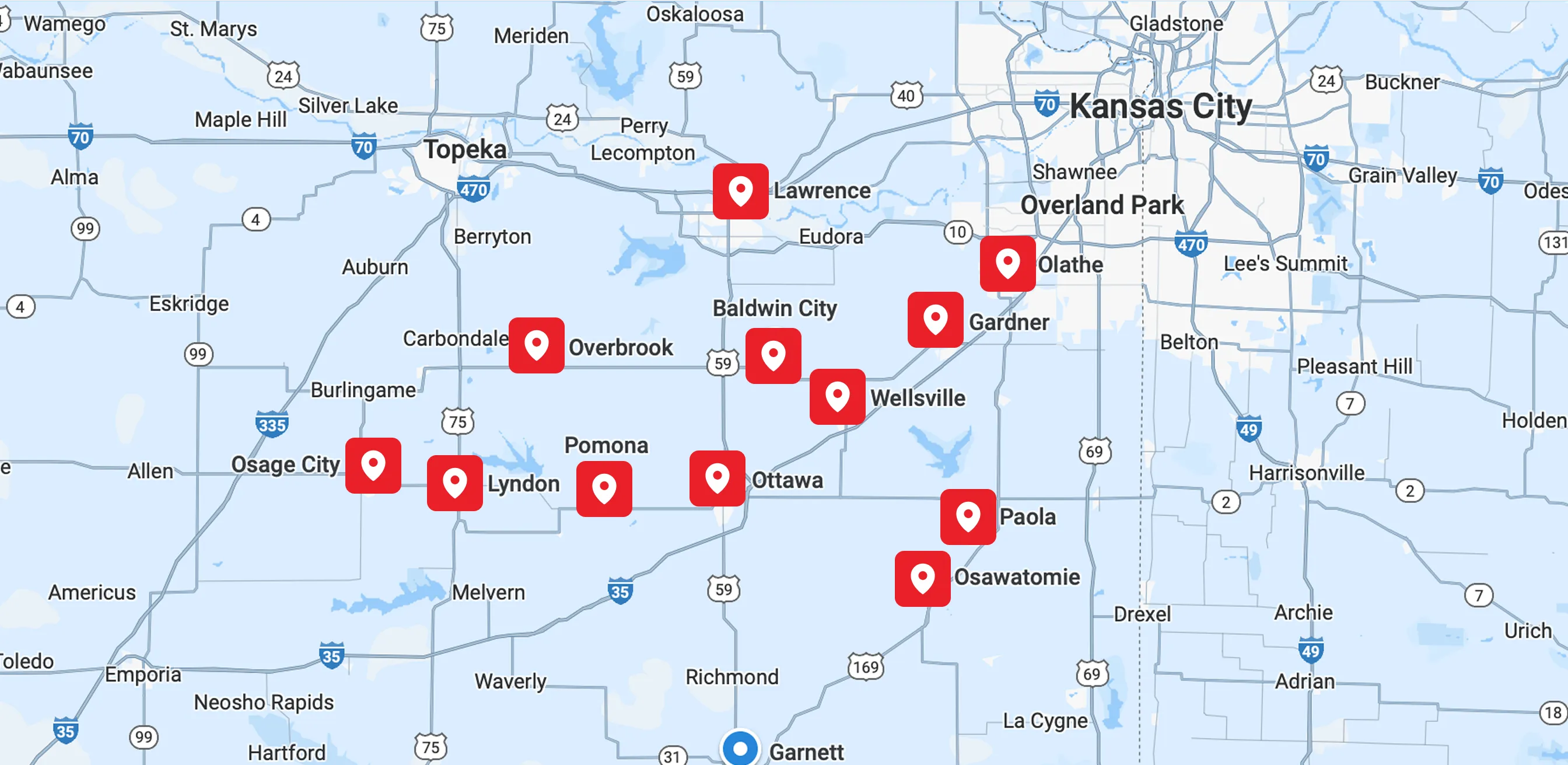
Service Areas