Heating Repair in Princeton, KS
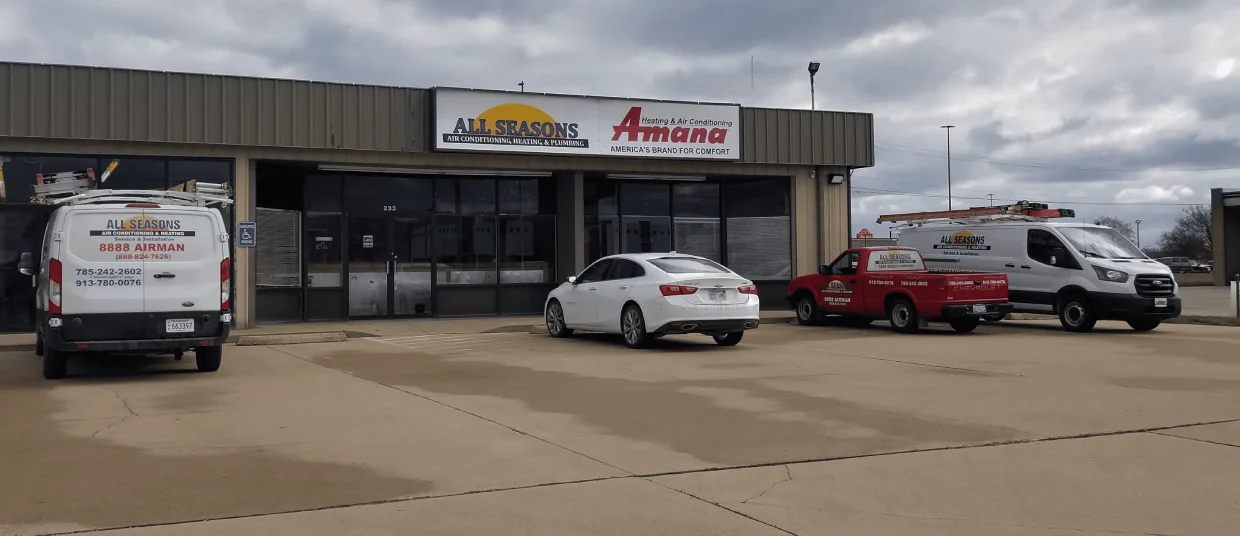
All Seasons Air Conditioning and Heating offers a Heating Repair guide for Princeton, KS, outlining why prompt service matters, typical problems, and the systems we service, from gas and electric furnaces to heat pumps. We detail a safety‑driven diagnostic process, common repair solutions, and transparent pricing with warranties. We explain technician qualifications, parts sourcing, emergency scheduling, and preventive maintenance benefits, emphasizing reliable warmth, safety, and long‑term efficiency for rural homes navigating cold winters. We also highlight scheduling options, emergency response, and renewal of maintenance agreements to reduce outages.
Heating Repair in Princeton, KS
Reliable heating repair in Princeton, KS is essential when winter temperatures drop and older homes or rural properties depend on steady, efficient warmth. Whether you have a natural gas furnace, propane heater, electric furnace, or a heat pump, timely repairs restore comfort, prevent safety risks, and avoid costly system failures. This page explains common heating problems in Princeton, KS, how professional technicians diagnose and fix them, what to expect from transparent pricing and warranties, and how emergency response and scheduling typically work for local homeowners.
Why prompt heating repair matters in Princeton, KS
Princeton experiences cold winters and occasional winter storms that can expose weaknesses in older equipment. Long run cycles, frozen pipes, and increased energy bills are common consequences of failing heating components. Prompt repair reduces the risk of unsafe conditions such as carbon monoxide leaks, prevents secondary damage, and preserves system efficiency—especially important for homes on propane or with aging furnaces common in rural Johnson County properties.
Common heating problems in Princeton, KS homes
- Furnace fails to start or cycles on and off (short cycling)
- No heat or inadequate heat from the system
- Uneven heating across rooms or floors
- Strange noises: banging, rattling, or squealing from the furnace or air handler
- Yellow pilot light or frequent pilot outages (older gas furnaces)
- Heat pump not switching correctly between heat and defrost modes
- Increased energy bills and reduced system efficiency
- Blower motor failures, clogged air filters, or restricted airflow
- Thermostat malfunctions or sensor errors
Types of systems we commonly service
- Gas furnaces (natural gas and propane)
- Electric furnaces and electric heating elements
- Heat pumps and hybrid heating systems
- Wall heaters and unit heaters common in outbuildings
- Home setups with older, high-year models that need parts or replacement guidance
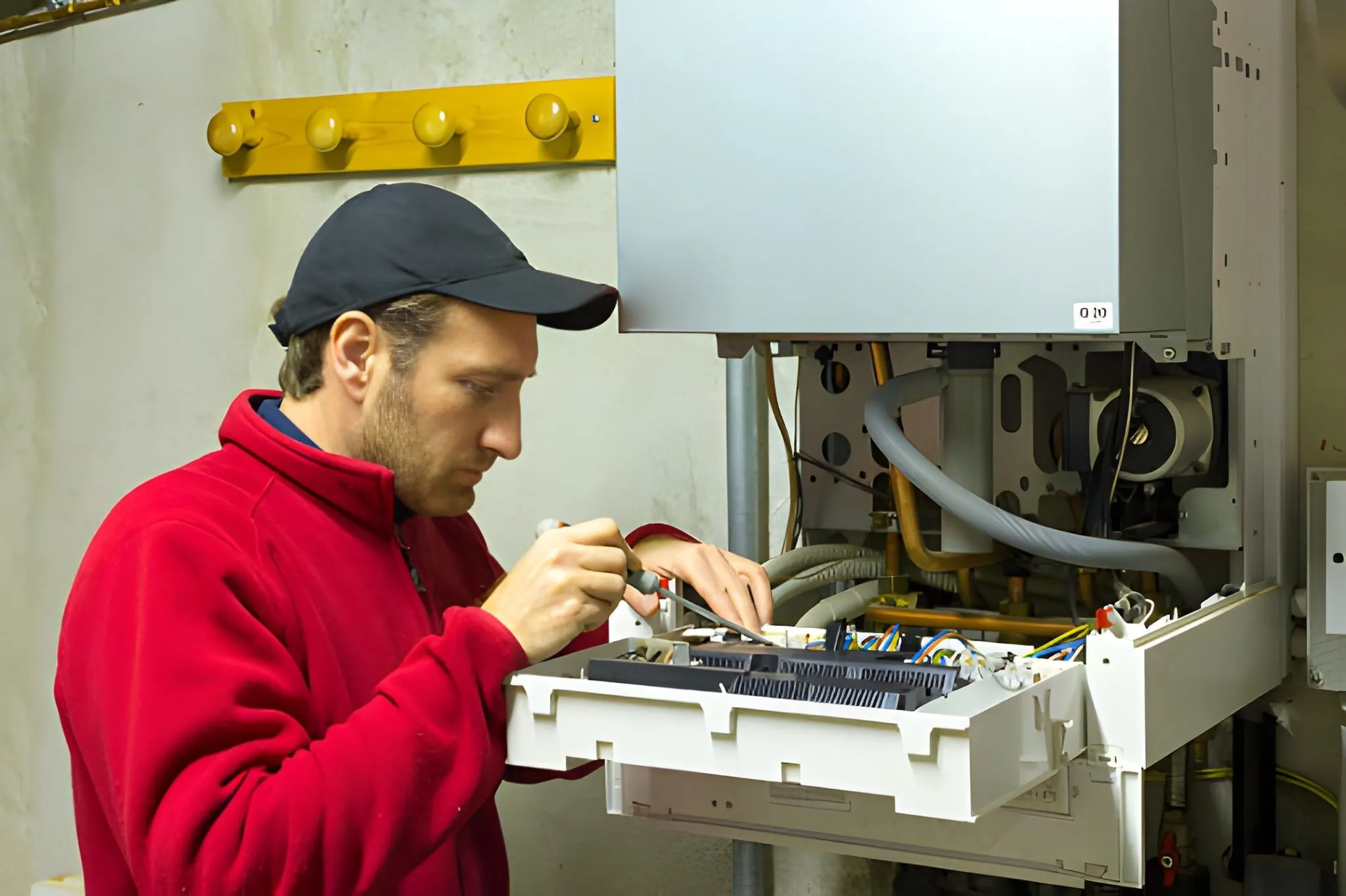
Diagnostic process for heating repair
A professional diagnostic follows a methodical, safety-first approach to identify root causes rather than treating symptoms.
- Check for obvious issues: burned wires, flame color, vent blockages, and carbon monoxide risks.
- Observe ignition sequence, gas flow or electrical supply, blower and motor operation, and compressor function on heat pumps.
- Test ignition modules, flame sensors, gas valves, thermostats, limit switches, capacitors, and motors with proper instruments.
- Measure draft, inspect flue and venting, and check filter and duct restrictions that affect performance.
- Evaluate refrigerant charge, reversing valve operation, defrost cycles, and outdoor unit accessibility after winter weather.
Technicians document findings and recommend the most reliable repair path with clear explanations of the cause, urgency, and any safety concerns.
Typical repair solutions
- Ignition repairs: replace or clean pilot assemblies, ignitors, or flame sensors
- Gas valve and pressure adjustments when fuel flow is compromised
- Replacing failed blower motors, belts, or capacitors to restore airflow
- Heat exchanger inspection and replacement recommendations if cracked or corroded (safety critical)
- Refrigerant recharge and leak repairs, reversing valve replacements, and defrost control fixes for heat pumps
- Thermostat replacement or recalibration for better temperature control and efficiency
- Repair or replacement of control boards, limit switches, and safety interlocks
- Ductwork or filter recommendations to improve airflow and reduce strain on the system
Repairs focus on lasting fixes and parts compatibility. When replacement parts are not cost-effective for older units, technicians will outline options and provide a transparent estimate for replacement versus repair.
Transparent pricing and estimates
Professional heating repair in Princeton, KS should include clear, written estimates before work begins. Estimates typically list labor, parts, diagnostic fee, and applicable taxes. For emergency repairs, expect an explanation of urgency and an estimate range for immediate safety fixes versus long-term repairs. If a repair uncovers additional necessary work, technicians explain the reason and update the estimate before proceeding. Where possible, options are presented—from the most economical repair to the longer-lasting solution—so homeowners can make informed decisions.
Technician qualifications and safety standards
- EPA certification for handling refrigerants on heat pumps
- Formal HVAC training and hands-on experience with furnaces, heat pumps, and electric heating systems
- Knowledge of local fuel practices in rural Kansas, including propane considerations and venting requirements
- Adherence to local codes and safety procedures, including combustion analysis and carbon monoxide mitigation
- Use of OEM-quality or manufacturer-approved replacement parts to preserve system integrity
Technicians carry the tools and diagnostics needed for accurate repairs and can explain the safety implications of any findings in plain language.
Parts and warranty information
Most repairs use manufacturer parts or approved aftermarket components. Parts typically carry a manufacturer warranty, and many service providers include a limited labor warranty on repairs. Warranties vary by part and manufacturer; technicians clarify warranty periods and any registration requirements. For older equipment where parts are obsolete, technicians will explain available alternatives and warranty implications.
Scheduling and emergency response in Princeton, KS
Scheduling options often include regular business-hour appointments and emergency response for urgent situations. Emergency response availability is important during sudden cold snaps or heating failures that risk frozen pipes or unsafe indoor conditions. Typical emergency response includes priority dispatch and same-day or next-available service depending on local demand and weather conditions. For non-emergency repairs, expect appointment windows and clear arrival estimates so you can plan accordingly.
Preventive maintenance and long-term benefits
Regular heating maintenance reduces breakdowns, extends equipment life, and improves efficiency. Common maintenance actions include cleaning burners, inspecting heat exchangers, checking electrical connections, lubricating moving parts, and replacing filters. Homeowners with maintenance agreements often receive priority scheduling during peak winter months, which helps avoid long waits when temperatures fall.
Repairing heating problems promptly protects your home, preserves indoor comfort, and prevents safety risks associated with combustion systems and failing components. For Princeton, KS residents, considering the local climate and common rural heating setups, timely diagnostics and quality repairs are the best way to maintain reliable warmth all winter long.
Customer Testimonials
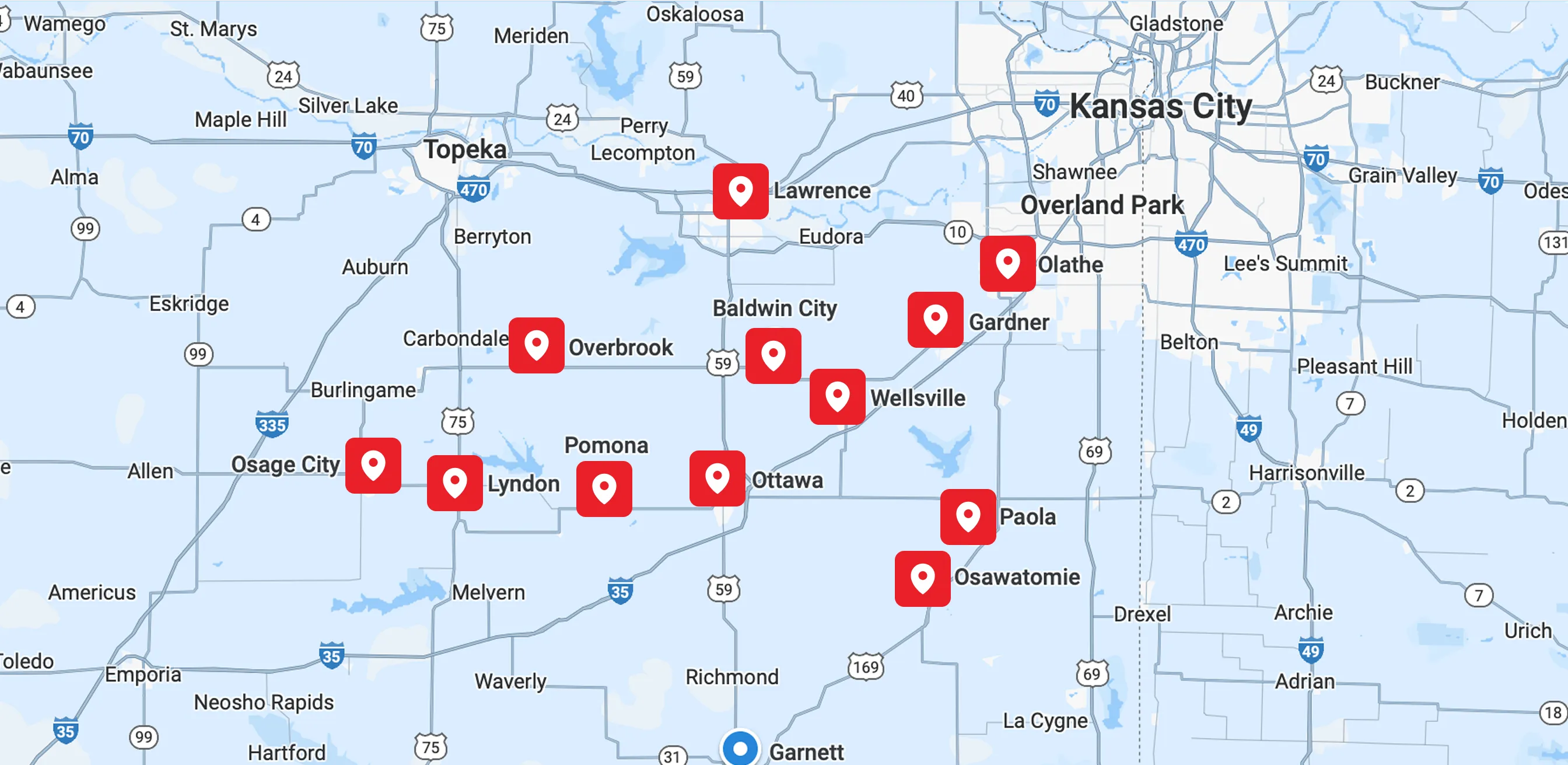
Service Areas