HVAC Tune-Up in Overbrook, KS
Keeping heating and cooling systems tuned and ready is essential for homes in Overbrook, KS. Our seasonal weather swings—from hot, humid summers to cold, windy winters—put extra stress on HVAC equipment. A professional HVAC tune-up delivered by All Seasons Air Conditioning and Heating helps prevent unexpected breakdowns, restores system efficiency, and extends equipment life. We'll cover what a seasonal tune-up involves, common issues we find in Overbrook homes, our diagnostic process, likely repairs, and how to best time your maintenance for the best results.
.jpeg)
Why a seasonal tune-up matters in Overbrook, KS
Overbrook experiences high cooling loads in summer and cold snaps in winter. Spring pollen, agricultural dust, and yard debris are common and can clog filters, coils, and ductwork, reducing airflow and efficiency. Regular tune-ups address these seasonal stressors so systems run reliably when you need them most. For older systems, preventive maintenance is often the difference between a smooth season and a mid-summer or mid-winter emergency.
Common HVAC problems in Overbrook homes
- Reduced cooling performance or uneven rooms during summer
- Higher-than-expected energy use after seasonal change
- Short cycling, where the unit turns on and off rapidly
- Squealing or rubbing noises from blower or belts
- Clogged condensate drains leading to water backups
- Thermostat inaccuracies or communication issues
- Dirty coils and filters restricting airflow
What an All Seasons HVAC Tune-Up includes
Below is a typical checklist technicians follow during a seasonal tune-up. Each item is performed to industry standards and tailored for the condition of your system.
- Filter inspection and replacement
Check and replace standard filters. Confirm proper filter sizes and advise on higher-efficiency options when appropriate. - Coil cleaning (evaporator and condenser)
Remove dirt and debris from coils to improve heat transfer and system capacity. - Blower and motor cleaning
Inspect, clean, and lubricate blower components for proper airflow and quieter operation. - Refrigerant check and leak inspection
Measure operating pressures, verify correct refrigerant charge, and look for signs of leaks. - Electrical and safety inspections
Test wiring, contactors, capacitors, and controls to reduce risk of failures or unsafe conditions. - Thermostat calibration and control checks
Verify thermostat accuracy and communication with the system for consistent temperatures. - Airflow and duct check
Measure static pressure and inspect accessible ducts for major obstructions or disconnections. - Condensate drain clearing
Clear and test drain lines and pans to prevent water damage and microbial growth. - Combustion and venting inspection (furnaces)
For gas furnaces, inspect burners, heat exchanger condition, and combustion safety controls. - System performance test
Run the system through typical cycles and measure temperature splits, amp draws, and runtime behavior.
Diagnostic process: what to expect
Technicians follow a logical process to find root causes rather than simply treating symptoms. Typical steps:
All Seasons technicians are EPA certified and trained to interpret results so service recommendations are based on measurable performance.
Common repairs discovered during tune-ups and practical solutions
- Refrigerant leaks — Locate and repair leaks; recover and recharge to correct levels.
- Capacitor or contactor failure — Replace failing electrical components that cause startup issues.
- Blower motor problems — Repair or replace motors and bearings to restore airflow.
- Clogged drain lines — Clear or replace condensate piping to prevent overflow.
- Duct leaks or disconnections — Reconnect or seal ducts affecting comfort and efficiency.
- Thermostat replacement — Upgrade to a calibrated or programmable thermostat for better control.
These repairs not only restore comfort but also prevent secondary damage and reduce operating costs when completed as part of preventive maintenance.
Benefits of regular tune-ups for Overbrook homeowners
- Improved energy efficiency and lower monthly utility costs.
- Fewer emergency repairs during extreme weather.
- Extended equipment life, delaying the cost of premature replacement.
- Safer operation, particularly for gas heating systems.
- Better indoor air quality by reducing dust, pollen, and mold growth risks.
- Consistency with manufacturer warranty requirements for documented maintenance.
Seasonal timing and appointment expectations
For Overbrook, schedule an AC tune-up in spring before humidity and peak heat arrive, and a heating tune-up in fall to prepare for cold weather. In transitional climates or if equipment is older, consider both visits each year. Expect most tune-ups to take about 60 to 90 minutes per system depending on system condition. Prepare by ensuring clear access to indoor and outdoor units and noting your filter sizes or system age.
All Seasons offers maintenance memberships that provide priority scheduling and discounted service options; membership details vary by system and service needs.
Simple maintenance actions homeowners can do between tune-ups
- Change disposable filters monthly or as recommended for your household.
- Keep outdoor condenser units free of vegetation, leaves, and debris.
- Ensure return vents and supply registers are unobstructed.
- Keep outdoor unit elevated and clear of snow in winter.
- Note unusual noises, odors, or cycling behavior and record dates for technician reference.
Regular preventive care plus targeted tune-ups keeps systems efficient, reliable, and safe through Overbrook’s seasonal extremes.
Q: How often should I have an HVAC tune-up?
A: Most homes benefit from a tune-up twice a year—one for cooling and one for heating. Annual single-system service is a minimum for moderate-use homes.
Q: How long does a tune-up take?
A: Typical tune-ups take about 60 to 90 minutes per system, depending on access and condition.
Q: Will a tune-up improve my energy bills?
A: Yes. Cleaning coils, correcting refrigerant charge, and restoring airflow commonly reduce energy use and improve efficiency.
Q: Does a tune-up include filter replacement?
A: Standard filters are inspected and replaced as part of the service; specialty filter charges may apply.
Q: Can a tune-up detect refrigerant leaks?
A: Yes. Technicians check refrigerant pressures and perform leak inspections; persistent low charge may require further leak locating.
Q: Is maintenance required to keep my manufacturer warranty valid?
A: Many manufacturers require routine documented maintenance to keep warranties valid. Keep service records as proof of maintenance.
Customer Testimonials
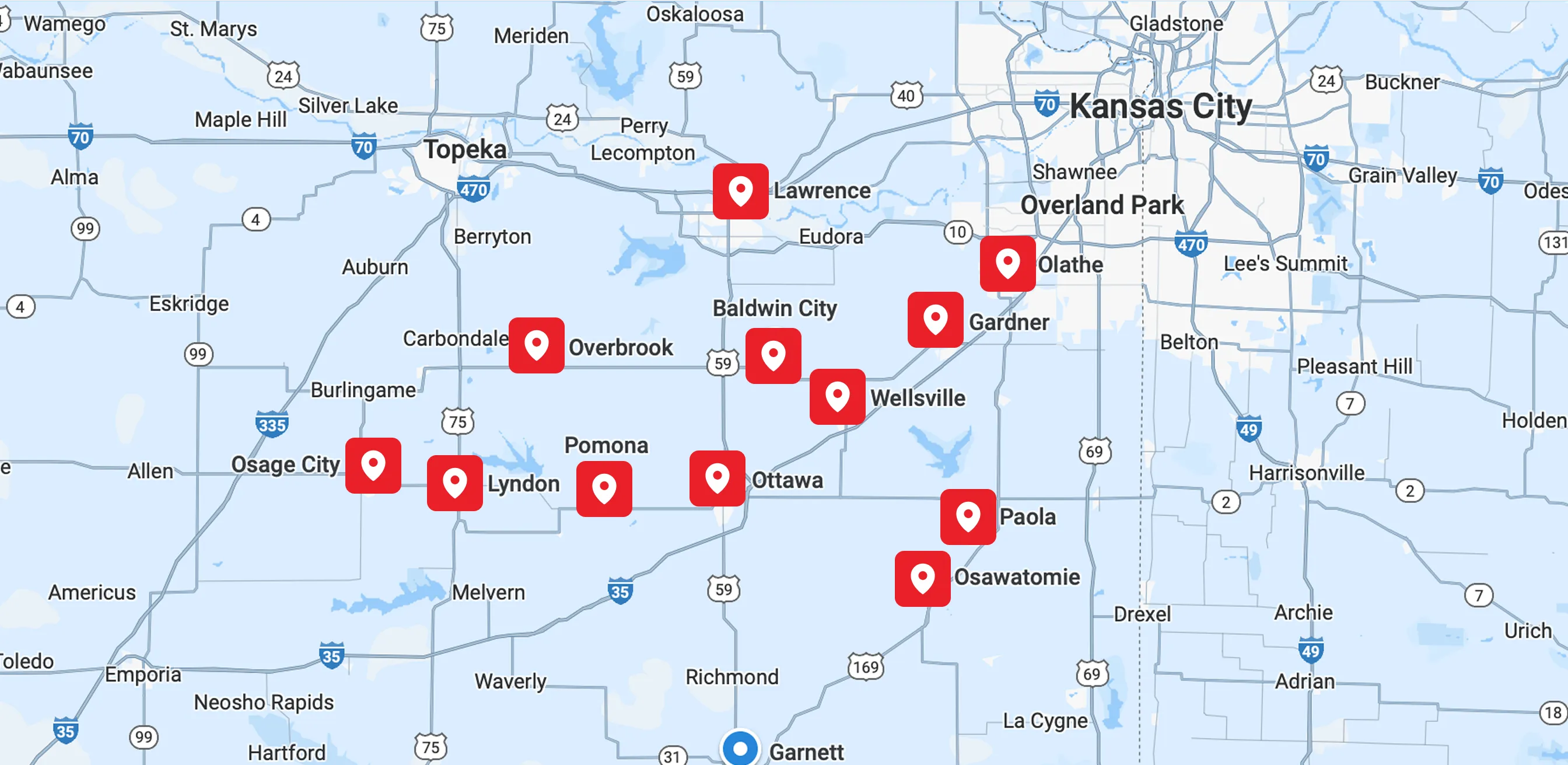
Service Areas