Air Duct Cleaning in Paola, KS
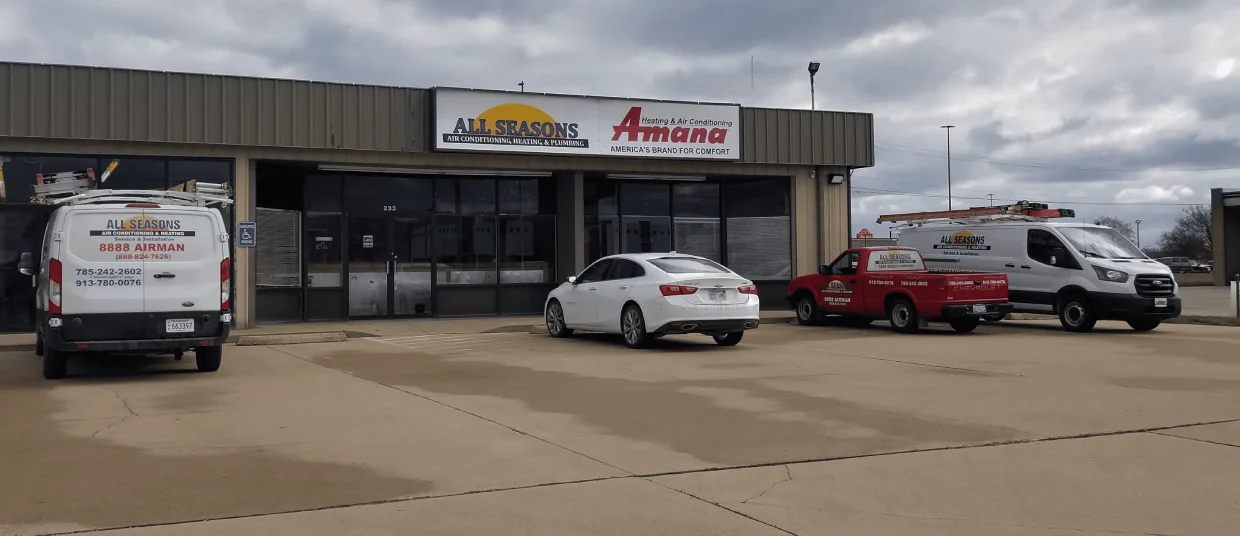
Air duct cleaning in Paola, KS from All Seasons Air Conditioning and Heating delivers thorough removal of dust, pollen, and contaminants to improve indoor air quality and HVAC efficiency. Our process includes inspection of grilles and ducts, debris agitation, high-powered vacuuming with HEPA filtration, and optional sanitation and odor control. A final inspection with photos and recommendations helps homeowners plan follow-up maintenance. Paola-specific benefits include reduced allergies, better comfort, and longer equipment life, with guidance on scheduling, frequency, and cost considerations. We also explain how to select a provider.
.webp)
Air Duct Cleaning in Paola, KS
Keeping your HVAC ducts clean is one of the most effective ways to improve indoor air quality, reduce system strain, and protect your family or employees from dust, allergens, and microbial growth. In Paola, KS, local conditions — seasonal pollen, spring construction dust, and humid summers that increase mold risk — make routine duct cleaning especially relevant for homes and businesses that want reliable HVAC performance and healthier indoor air.
Common duct problems in Paola homes and businesses
- Accumulated dust and pet hair that reduces airflow and carries allergens
- Seasonal pollen and outdoor bioaerosols tracked in from rural areas and nearby farmland
- Construction debris after home projects or local commercial renovations
- Moisture-related growth (mold or mildew) in systems that run heating and cooling year-round
- Odors from cooking, smoke, or plumbing issues trapped in ductwork
What a professional duct cleaning includes
A thorough duct cleaning is a multi-step, documented process designed to remove contaminants without damaging ductwork or equipment.
Inspection
- Visual inspection of supply and return grilles, accessible duct runs, and air handler.
- Use of cameras when needed to assess interior duct conditions.
- Identification of problem sources (dirty coils, clogged filters, gaps or disconnected sections).
Debris removal and agitation
- Mechanical brushing and agitation tools are used to dislodge dust and debris from duct interiors and plenums.
- Special attention to registers, boots, and trunks where build-up concentrates.
High-powered vacuuming
- Negative pressure vacuum systems capture dislodged material at the source, preventing redistribution into the home or business.
- HEPA-rated collection is standard for minimizing reintroduction of fine particulates.
Sanitation and odor control (optional)
- Antimicrobial treatments can be applied to address bacterial or mold concerns when moisture has led to biological growth.
- Odor neutralizers or activated carbon treatment may be used for persistent smells; these are applied carefully and only when appropriate.
- UV-C options and coil sanitation can be discussed as complementary IAQ measures.
Final inspection and documentation
- Technicians typically provide before-and-after photos, a written summary of findings, and recommendations for follow-up repairs or improvements (e.g., sealing leaks, replacing insulation, or upgrading filters).
What to expect during a service visit
- Timeframe: Most residential duct cleanings take 2–4 hours; larger homes or systems with heavy contamination may take longer. Commercial jobs are scheduled based on building size and complexity.
- Preparation: Clear access around registers and the furnace/air handler, and secure pets. Occupants may choose to vacate sensitive areas during brushing for comfort, but technicians can often work while people remain on site.
- Cleanliness: Technicians use drop cloths and protectants to keep work areas tidy. The vacuum system captures debris into sealed containers.
- Documentation: Expect a walkthrough, pre-clean inspection notes or photos, and post-clean photos and a summary of work completed.
Benefits specific to Paola, KS
- Reduced pollen and seasonal allergies: Removing trapped pollen from ductwork reduces daily recirculation of allergens during peak seasons.
- Lower humidity-related risks: Cleaning combined with targeted sanitation reduces mold niches that can form during humid summers.
- Better comfort during heating season: Clean ducts and a well-functioning system improve heat distribution in older Paola homes with varied insulation and draft patterns.
- Improved energy efficiency: Removing restrictions to airflow helps the system run less often and less strenuously, which can extend equipment life and maintain efficiency.
Recommended frequency and maintenance plans
- Typical recommendation: Every 3–5 years for most residential systems, sooner if you have pets, smokers, recent renovations, or allergy sufferers in the household.
- High-risk scenarios: Annual or biannual cleaning is appropriate for commercial kitchens, medical facilities, multifamily buildings, or sites with recurring moisture or contamination.
- Complementary maintenance: Change filters regularly (every 1–3 months depending on filter type and occupancy). Seasonal HVAC tune-ups that include coil cleaning and drain inspections reduce the rate at which ducts become contaminated.
- Maintenance plans: Many local providers offer membership plans that bundle seasonal inspections, filter replacement, and priority scheduling. For Paola properties, aligning a duct cleaning with spring or early fall maintenance helps prepare systems for heavy cooling or heating use.
Residential vs. commercial considerations
Residential
- Duct configurations vary widely; access and flexible ducts are common. Jobs are usually completed during daytime hours and require minimal disruption.
- Focus areas: bedroom registers, air handler access, attic/furnace closet penetrations.
Commercial
- Commercial systems are larger, may serve multiple zones, and often require after-hours scheduling to minimize business disruption.
- Additional requirements: adherence to building codes, coordination with facility managers, and often more extensive containment and filtration during cleaning.
- For businesses in Paola — retail spaces, offices, restaurants — regular duct cleaning helps maintain employee health, customer comfort, and can be part of broader indoor air quality compliance.
Pricing considerations (what affects cost)
While individual quotes vary, several factors determine duct cleaning cost:
- Size and complexity of the duct system (square footage, number of supply/return registers)
- Accessibility (attic, basement, crawlspace, rooftop units)
- Extent of contamination (light dust vs. visible mold or vermin debris)
- Need for additional services (sanitation treatments, coil cleaning, duct sealing)
- Residential versus commercial scope and scheduling requirements
Understanding these variables helps you evaluate estimates and compare scope rather than price alone.
Scheduling and logistics tips for Paola properties
- Peak demand: Spring and early fall are common times for scheduling. In Paola, spring cleanings are popular to remove winter dust and combat pollen before peak allergy season; early fall cleanings help ensure efficient heating.
- Plan around renovations: Schedule duct cleaning after any major home improvement or construction work to remove construction dust.
- Coordinate with seasonal maintenance: Combining duct cleaning with HVAC tune-ups or filter replacements reduces repeat visits and keeps systems running optimally throughout the year.
Final considerations
A professional duct cleaning is an investment in indoor air quality and HVAC longevity. For homeowners and business operators in Paola, addressing duct cleanliness proactively reduces allergy symptoms, improves comfort through more consistent airflow, and supports system efficiency — particularly important given local seasonal pollen, agricultural dust, and summer humidity. When selecting a provider, look for documented procedures (inspection, agitation, negative-pressure vacuuming, and before/after reporting) and clear explanations of sanitation options so you can choose the level of service that matches your property’s needs.
Customer Testimonials
Service Areas