Ventilation in Edgerton, KS
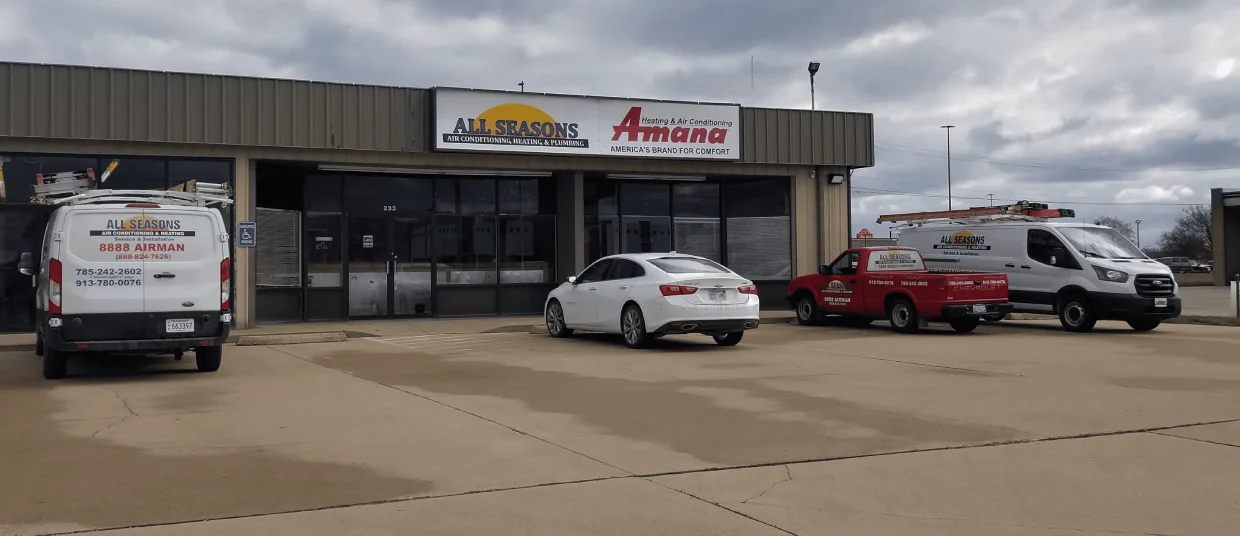
Ventilation in Edgerton, KS is presented by All Seasons Air Conditioning and Heating as a comprehensive guide to understanding and improving indoor air quality for homes and small businesses. We outline why ventilation truly matters, common issues, and a spectrum of effective options (ERV/HRV, supply and exhaust, spot exhaust, and demand-controlled systems), along with our detailed on-site assessment processes, typical installation steps, and how ongoing service and warranty coverage protect your investment. We also emphasize tailored recommendations for each building type, seamless integration with your HVAC system, and a clear, itemized path from assessment to lasting maintenance.
Ventilation in Edgerton, KS
Proper ventilation is a foundational part of a healthy, comfortable home or small commercial space in Edgerton, KS. With humid summers, cold winters, and seasonal pollen and agricultural dust from surrounding rural areas, homes here face specific indoor air challenges: excess moisture in basements and attics, stale indoor air, and higher indoor pollutant loads. This page explains ventilation options for Edgerton properties, how on-site assessments determine the right system, what installation looks like, realistic improvements you can expect, and how ongoing service and warranty coverage protect your investment.
Why ventilation matters in Edgerton, KS
- Humidity control: Kansas summers drive indoor humidity up, increasing mold growth risk and discomfort. Proper ventilation reduces moisture load and protects finishes, insulation, and stored items.
- Indoor pollutant reduction: Pollen, farm dust, cooking odors, and VOCs from building materials concentrate inside tighter, energy-efficient homes. Ventilation dilutes and removes these contaminants.
- Combustion safety and make-up air: Many homes have gas appliances or fireplaces that require balanced make-up air to prevent backdrafting and carbon monoxide risks.
- Energy and comfort: Modern balanced systems exchange air efficiently so you get fresh air with minimal heating or cooling penalty compared with opening windows.
Common ventilation issues in Edgerton homes and small businesses
- Stuffy rooms and persistent odors despite HVAC running
- Condensation on windows and mold spots in basements or attics
- High indoor humidity in summer and dampness after storms
- Uneven ventilation between living areas and finished basements
- Exhaust-only setups causing negative pressure and backdrafting
- No dedicated ventilation in newer, tightly sealed buildings
Ventilation options and what they do
- Balanced whole-house ventilation (ERV/HRV)
- Heat Recovery Ventilator (HRV): transfers heat between incoming and outgoing air during heating season — best when dry, cold winters dominate.
- Energy Recovery Ventilator (ERV): transfers both heat and moisture, improving humidity control in humid climates — often the best fit for Edgerton’s humid summers.
- Supply-only systems
- Introduce filtered, conditioned outdoor air, useful where positive pressure is needed to keep pollutants out.
- Exhaust-only systems
- Remove indoor air (bathrooms, kitchens, laundry) but can create negative pressure if not paired with makeup air.
- Spot and dedicated exhaust solutions
- High-performance bath and kitchen exhaust fans, dryer vent optimization, and range hoods to remove moisture and pollutants at source.
- Demand-controlled ventilation
- Uses CO2 or humidity sensors to increase airflow only when needed, balancing IAQ and energy use — ideal for small commercial spaces with variable occupancy.
- Integration with HVAC
- Ventilation units can be integrated into existing ductwork or installed as standalone units with transfer ducts and smart controls to coordinate with furnaces, heat pumps, or air handlers.
On-site assessment: what to expect
A professional assessment for ventilation in Edgerton typically includes:
- Walk-through of the property layout, occupancy, and known problem areas (basement, attic, bathrooms, kitchens).
- Measurement of indoor humidity, CO2 levels, and basic VOC indicators.
- Inspection of existing ductwork, exhaust fans, combustion appliances, and attic/basement ventilation.
- Pressure testing or evaluation of building tightness to determine if balanced ventilation is needed.
- A clear summary of findings with recommended systems (HRV vs ERV vs supply/exhaust), expected benefit, and estimated run-times and capacity.
Recommended equipment by situation
- Tightly sealed newer homes in Edgerton: ERV tied into central HVAC or dedicated ducted ERV to manage humidity and fresh-air needs.
- Older homes with moisture in basements: Combine exhaust ventilation in the basement with a supply or balanced system to avoid negative pressure.
- Small commercial spaces with variable occupancy: Demand-controlled ERV/HRV with adjustable fresh-air schedules and CO2 sensors.
- Homes with gas appliances or wood-burning stoves: Balanced ventilation with proper makeup air and combustion safety checks.
Typical installation steps
What improvements you can expect
- Noticeably fresher air and reduced stuffiness within days of operation.
- Lower average indoor humidity during summer months, fewer condensation issues, and less mold growth.
- Reduced odors from kitchens, pets, and garages.
- More consistent indoor comfort and less likelihood of backdrafting when systems are balanced.
- For occupied commercial spaces: better perceived air quality and compliance with ventilation standards when demand-controlled ventilation is used.
Ongoing service plans and maintenance
Proper maintenance keeps ventilation systems performing as designed:
- Regular filter changes: frequency depends on filter type and local dust/pollen levels (typically every 3–12 months).
- Annual inspection and cleaning of core components, coils, condensate drains (if present), and outdoor intakes.
- Sensor calibration and control checks for demand-controlled systems.
- Seasonal checks for intake/exhaust terminations to ensure they are clear of debris, nests, and snow/ice.A planned maintenance agreement usually includes scheduled inspections, priority service options, and discounts on replacement parts to extend equipment life and maintain warranty compliance.
Warranty, estimates, and what’s included
- Estimates for ventilation in Edgerton should be itemized and easy to compare: list equipment models, airflow capacity (CFM), filter type, control options, required duct modifications, labor hours, and a projected timeline.
- Manufacturer warranties commonly cover major components (compressor and core) for several years; labor warranties vary by contractor and may cover workmanship for a specified period after installation.
- A complete proposal should state warranty terms, maintenance requirements to keep warranties valid (for example, scheduled filter changes), and what post-installation support and testing will be provided at commissioning.
Customer Testimonials
Service Areas