Ventilation in Lyndon, KS
All Seasons Air Conditioning and Heating describes comprehensive ventilation solutions for Lyndon, KS homes, focusing on ERV/HRV systems, smart exhaust and supply strategies, and ducted vs. ductless options. We outline common indoor air quality challenges in Osage County, how we assess your needs, size systems, and perform installations, testing, and maintenance to effectively balance humidity, reduce pollutants, improve energy efficiency, and safeguard combustion safety, with step-by-step guidance and practical considerations for homeowners. Our guide covers needs assessment, system sizing with ASHRAE-based formulas, testing airflow performance, and maintenance to ensure lasting comfort and efficiency.
Ventilation in Lyndon, KS
Proper ventilation in Lyndon, KS is a fundamental part of a healthy, comfortable home. With humid summers, cold winters, and seasonal pollen and agricultural dust in Osage County, homes here face distinct indoor air quality challenges. Whether you are replacing an aging system, sealing a leaky drafty house, or designing fresh ventilation for a remodel, the right approach to ERV/HRV and exhaust or supply solutions reduces moisture problems, lowers pollutants, and preserves heating and cooling efficiency.
Why ventilation matters in Lyndon homes
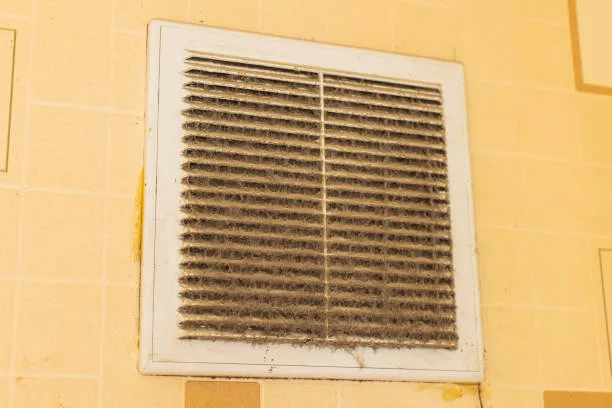
Poor ventilation leads to excess moisture, condensation, mold growth, lingering odors, and elevated levels of VOCs and particulates. In Lyndon, high summer humidity and wet basements are common, while winter tightness from retrofits can trap indoor pollutants. Balanced mechanical ventilation with heat or energy recovery helps control indoor humidity and bring in filtered outdoor air without the energy penalty of continually bringing in fully unconditioned air.
Common ventilation issues in Lyndon, KS
- Inadequate fresh air after tightening windows and insulation upgrades
- Bathroom and kitchen exhaust that creates negative house pressure and backdraft risk for combustion appliances
- High seasonal humidity and condensation on windows or in basements
- Excess pollen, agricultural dust, and particulates entering through poor filtration or gaps
- Odors and VOC buildup from cleaning products, building materials, or stored chemicals
- Oversized or undersized ventilation equipment causing noise or poor distribution
Types of ventilation services offered
- Balanced systems: ERV (Energy Recovery Ventilator) and HRV (Heat Recovery Ventilator) installations for whole-house controlled ventilation
- Exhaust-only solutions for localized moisture problems (bathrooms, laundry)
- Supply-only systems with filtered outdoor air for homes with combustion safety concerns
- Ducted vs ductless ventilation strategies for older or historic homes
- Retrofit assessments for crawlspaces, basements, and attic ventilation integration
- Commissioning, airflow testing, and seasonal re-balancing
Needs assessment: how we determine the right solution
A proper needs assessment evaluates your home construction, occupancy, combustion appliances, current ventilation method, and local climate influences. Key steps include:
- Inspecting building tightness, insulation, and existing ductwork layout
- Identifying moisture sources (basement leaks, ventilation gaps, high-usage bathrooms)
- Listing sensitive occupants (allergies, asthma, elderly) and typical occupancy patterns
- Checking combustion appliances and venting to avoid spillage or negative pressure conflicts
This information is used to recommend balanced ventilation when possible, or targeted exhaust/supply solutions where appropriate.
System selection and sizing
Choosing between an ERV and HRV and selecting capacity depends on climate and indoor needs:
- HRV (Heat Recovery Ventilator): preferred when cold winters are the primary concern, since it transfers heat while exchanging air
- ERV (Energy Recovery Ventilator): better where humidity control is critical, since it transfers some moisture as well as heat
Sizing follows industry guidelines to ensure adequate fresh air without over-ventilating. A common sizing approach uses the ASHRAE-based formula: - Required ventilation (cfm) = 0.03 x conditioned floor area (sq ft) + 7.5 x (number of bedrooms + 1)
Equipment selection also considers fan efficiency, filter compatibility (MERV rating), noise levels, integrated controls for runtime and humidity, and ease of maintenance.
Typical installation steps
Testing and verification of airflow
Commissioning confirms the system performs as designed:
- Measure CFM at supply and exhaust points with an anemometer or flow hood
- Balance flows so whole-house supply equals exhaust where required for combustion safety
- Check static pressure in ducts, verify condensate drain operation, and confirm core performance on ERV/HRV units
- Test for depressurization using simple combustion appliance checks; if present, perform CO testing to ensure safe venting
- Verify control schedules, humidity response, and filter fitment
Benefits for moisture and pollutant control
- Moisture control: Balanced ventilation reduces indoor relative humidity swings and helps prevent mold growth in basements and crawlspaces common in Lyndon homes.
- Reduced pollutants: Continuous filtered intake lowers pollen, agricultural dust, and particulate load. ERVs/HRVs preserve conditioned air while exchanging stale indoor air for cleaner outdoor air.
- Odor and VOC reduction: Regular fresh air exchange reduces trapped odors and volatile organic compounds from household products or building materials.
- Energy performance: Heat or energy recovery captures thermal energy from exhaust air, limiting heating and cooling penalties compared to simple ventilation.
Routine maintenance options
Regular maintenance keeps performance high and prevents failures:
- Replace or clean filters every 3 months or per manufacturer guidance; use a MERV rating appropriate for your needs.
- Clean the heat exchange core annually; ERV cores may need more frequent attention in high-pollen seasons.
- Inspect condensate drains and trap lines seasonally to prevent clogs and freeze issues in winter.
- Verify fan speeds and controls annually; check duct seals and outdoor intake screens for debris and insect ingress.
- Schedule professional system checks yearly to verify balance, perform CO safety checks for homes with combustion appliances, and adjust controls for seasonal operation.
Customer Testimonials
Service Areas