Ventilation in Olathe, KS
Looking for effective ventilation solutions for your Olathe, KS home? All Seasons Air Conditioning and Heating provides comprehensive services, from initial diagnostics to expert installation and ongoing maintenance. We'll explain why proper ventilation is crucial during humid summers, high pollen seasons, and for homes of all ages, helping you identify common indicators of inadequate airflow. Our team covers whole-house systems (ERV/HRV), spot ventilation, and essential duct improvements, detailing the diagnostic steps we use to pinpoint issues. We outline typical installation timelines, how we verify performance, and the importance of ongoing maintenance, always emphasizing indoor air quality, humidity control, and energy efficiency as key benefits for your home.
Ventilation in Olathe, KS
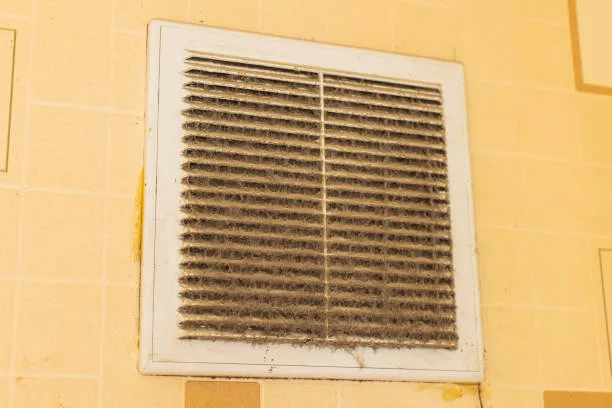
Proper ventilation is one of the most effective ways to protect indoor air quality, control moisture, and lower energy waste in Olathe, KS homes. With humid summers, cold winters, seasonal pollen, and a mix of older and newer construction across the metro area, inadequate ventilation often shows up as stale air, high humidity, uneven comfort, or unexplained allergy symptoms. This page explains how whole-house mechanical ventilation, targeted spot ventilation, and duct improvements diagnose and solve those problems — and what homeowners can expect from the process.
Why ventilation matters in Olathe homes
- Olathe’s humid summer months and spring pollen can raise indoor humidity and particulate loads, worsening asthma and allergy symptoms.
- Tightly sealed newer homes trap pollutants without a controlled supply of fresh air; older homes often have leaky ducts that move contaminants through the house.
- Excess indoor moisture in bathrooms and crawlspaces encourages mold growth and can damage finishes and insulation.A well-designed ventilation plan balances fresh air delivery, humidity control, and energy efficiency to address these local concerns.
Common ventilation issues in Olathe
- Stale or musty odors, especially after cooking or showering
- High relative humidity in basements, bathrooms, or during summer
- Uneven temperatures or rooms that never feel fresh
- Visible mold or condensation on windows
- Elevated allergy symptoms indoors despite outdoor pollen control
- Excessive dust tied to re-entrained attic or crawlspace air
Types of ventilation solutions
- Whole-house mechanical ventilation (ERV / HRV / supply or exhaust systems)
- ERV (energy recovery ventilator) transfers heat and some moisture between inbound and outbound air, useful in Olathe’s seasonal climate.
- HRV (heat recovery ventilator) is ideal when dehumidification is handled separately and you want maximum heat exchange.
- Balanced supply-exhaust systems provide controlled fresh air without creating pressure imbalances.
- Spot ventilation upgrades
- Kitchen range hoods that vent outside and meet local capture recommendations
- High-capacity bathroom exhaust fans with timers or humidity sensors to remove moisture at the source
- Duct improvements
- Sealing and insulating ductwork that runs through attics or crawlspaces to prevent energy loss and prevent contaminants from entering the airstream
- Redesigning duct layouts or adding return paths to fix poor airflow and pressurization problems
- Supplemental options
- In-line fans, window trickle vents, and filtration upgrades paired with ventilation systems for improved IAQ
How diagnostics identify poor ventilation
Diagnostics begin with a walk-through and homeowner interview: where you notice problems, when they occur, and any health or comfort patterns. Technicians then use simple and advanced checks:
- Visual inspection of ducts, vents, attic and crawlspace for gaps, insulation loss, and evidence of moisture
- Airflow measurements at supply and return registers to find dead zones
- Duct leakage testing or pressure diagnostics to quantify loss to unconditioned spaces
- Moisture and relative humidity logging in problem areas to track trends through the day
- CO2 or VOC spot monitoring to confirm stagnant indoor air and verify ventilation rates
- Smoke pencil or airflow visualization to identify improper vent locations or backdraft risks
These results inform whether the best fix is whole-house ventilation, targeted spot fans, duct sealing, or a combination.
Typical installation process and timeline
- Site survey and proposal: measurements, recommended equipment type, and zone considerations (1-3 days to produce).
- Scheduling and preparation: ordering equipment and preparing access to duct runs (timing varies by availability).
- Installation: most whole-house ERV/HRV installations or duct sealing projects for an average single-family home are completed in 1 to 2 days; more complex duct redesigns may take longer.
- Commissioning and balancing: airflow is measured, inlets and exhausts are adjusted, and control settings are programmed (usually same day as install).
- Performance verification and homeowner walkthrough: systems are demonstrated, and monitoring is set up if part of the scope.
Performance verification: how you know it’s working
- Post-install airflow verification shows balanced supply and exhaust rates and confirms targeted ACH (air changes per hour).
- CO2 and humidity readings taken before and after installation document improved indoor-air conditions.
- Pressure testing ensures the home isn’t over-pressurized (which can push moist air into wall cavities) or under-pressurized (which can draw contaminants from the crawlspace).
- Filter status, condensate drains, and electrical function are checked to confirm system reliability.
Health, comfort, and efficiency benefits
- Improved indoor air quality with reduced allergens, VOCs, and odors
- Controlled humidity that lowers mold risk and improves comfort during Olathe’s humid summers
- More even temperatures and reduced draft-related complaints through better duct balancing
- Energy savings when ERVs/HRVs reduce the load on heating and cooling equipment by recovering energy from exhausted air
- Reduced dust and fewer HVAC system cycles when ducts are sealed and ventilation is properly controlled
Preventative maintenance offerings
- Regular filter replacement schedules and reminders
- Annual ventilation system inspection and cleaning of core components (heat exchangers, coils, drain pans)
- Duct inspections and resealing as needed, especially after attic or crawlspace work
- Sensor recalibration and periodic IAQ spot-checks during peak pollen and humidity seasonsRoutine maintenance preserves performance and extends equipment life, while preventing common failures that lead to comfort complaints.
Cost factors and financing considerations
Ventilation project costs depend on system type, home size, duct complexity, and whether duct repairs or insulation are required. Factors that typically increase scope include multi-level balancing, long duct runs through unconditioned space, or integrating ventilation controls with existing HVAC systems. Many homeowners in the region finance larger installs through HVAC-specific lenders or in-house financing programs that spread payments over time. When evaluating proposals, consider the long-term energy and health savings alongside initial investment.
Final considerations for Olathe homeowners
Choosing the right ventilation strategy means matching equipment to your home’s construction, your family’s health needs, and local climate realities. In Olathe, where humidity control and seasonal allergens are frequent concerns, balanced whole-house ventilation paired with duct improvements often delivers the best mix of air quality, comfort, and efficiency. Proper diagnostics, verified performance, and a clear maintenance plan ensure the system continues to protect your indoor environment year-round.
Customer Testimonials
Service Areas