Tankless Water Heater Installation in Princeton, KS
All Seasons Air Conditioning and Heating offers a complete tankless water heater installation for Princeton, KS homes, highlighting the benefits of on-demand hot water, energy efficiency, and valuable space savings. We guide homeowners through the full process from initial site assessment and unit selection to handling permits, setting the installation timeline, and conducting thorough post-install testing, ensuring you understand exactly what to expect. We cover precise sizing, proper venting, appropriate fuel type, electrical and gas considerations, necessary permits, and final commissioning. The result is a clear roadmap for a safe, code-compliant upgrade perfectly tailored to local conditions.
.webp)
Tankless Water Heater Installation in Princeton, KS
Upgrading to a tankless water heater in Princeton, KS is a practical decision for homeowners who want on-demand hot water, improved energy efficiency, and more usable space. This page explains the full installation process so you understand what to expect: from the initial site assessment and unit selection to permits, the installation timeline, and post-install testing. The goal is to give a clear, expert roadmap so you can make an informed choice that fits your Princeton home and local conditions.
Why consider tankless water heater installation in Princeton, KS
Princeton experiences hot summers and cold winters with occasional freeze risk. A tankless system provides on-demand hot water without a stored tank that can freeze or corrode. In many Princeton homes, especially those with limited mechanical room space or older tanks nearing end of life, switching to tankless reduces the footprint and can lower energy bills over time. Local water quality and the availability of gas lines or electrical service are common factors that influence the best system type.
Common tankless water heater installation types and issues in Princeton, KS
- Whole-house gas tankless units for high-demand households
- Electric point-of-use or small whole-house electric units where gas is not available
- Hybrid systems or combination approaches for homes with high simultaneous demand
- Typical issues homeowners face: incorrect sizing for household demand, inadequate gas supply or electrical panel capacity, improper venting in cold climates, and scale build-up from hard water
Site assessment: what we check first
A professional installation begins with a thorough site assessment tailored to Princeton homes:
- Hot water demand profile: number of bathrooms, simultaneous appliance use, and peak flow rates
- Existing fuel availability: natural gas line size and pressure or electrical service capacity (single-phase 200 amp common in many homes)
- Venting pathways and indoor/outdoor unit placement options, accounting for winter freeze protection
- Water quality and hardness, and whether a water softener or scale inhibitor should be specified
- Structural and clearance constraints for wall-mounted units and condensate drainage routing
Unit selection and sizing
Proper sizing is critical to performance. Selection includes:
- Calculating required flow rate in gallons per minute GPM for peak simultaneous use
- Determining required temperature rise based on incoming groundwater temperature during Princeton winters
- Choosing between gas and electric models based on fuel availability, operating cost estimates, and installation constraints
- Considering features such as modulating burners, low-NOx ratings for air quality compliance, and built-in scale management for hard water areas
Fuel type and venting considerations
- Gas units: typically preferred for whole-house installations with higher GPM needs. They require proper gas line sizing, pressure checks, and either direct vent or power vent systems. In Princeton, installers evaluate line length from the meter and potential need to upgrade regulators or piping.
- Electric units: simpler to vent but may require a panel upgrade or dedicated circuits. Electric can be practical for smaller homes or point-of-use installations.
- Venting: correct vent material, termination location, and clearances are essential, especially in freezing temperatures where condensate must drain properly. For high-efficiency condensing gas units, installers will plan for PVC condensate routing and freeze protection.
Plumbing and electrical scope
A comprehensive installation typically includes:
- Disconnecting and removing the old tank, capping or modifying supply lines to match the new layout
- Installing new hot and cold supply connections, pressure relief and expansion devices where required
- Upgrading or sizing gas piping, performing leak tests, and verifying manifold pressures
- Running new electrical circuits and breakers for electric or electronic ignition systems, including grounding and surge protection considerations
- Installing condensate drains and backflow prevention where local code requires
Permits and code compliance in Princeton, KS
Permits and inspections are a mandatory part of a code-compliant installation:
- Local building and plumbing permits ensure installations meet state and county codes, energy regulations, and venting standards
- Gas piping changes often require separate permits and a licensed inspector
- Installers document equipment specifications, clearances, and test results for the inspection process
- Adhering to manufacturer installation instructions preserves warranties and ensures safety
Step-by-step installation timeline
A typical whole-house tankless installation follows this practical timeline:
Smaller point-of-use installs can be completed in a single day. Whole-house conversions commonly take one to two days depending on complexity, venting runs, and any electrical or gas upgrades needed.
Post-install testing and commissioning
Commissioning confirms reliable operation under actual demand:
- Flow and temperature tests across typical fixtures to ensure steady temperature rise
- Gas pressure and combustion checks for gas models
- Electrical safety tests and verification of circuit protection
- Condensate drain and freeze protection confirmation
- Demonstration of safety devices like pressure relief valves and automatic shutoffs
Homeowner orientation and maintenance recommendations
A clear homeowner orientation helps preserve performance and warranty coverage:
- How to operate digital controls for temperature and flow
- Routine tasks: annual flushing or descaling when hard water is present, cleaning inlet screens, and checking vent terminations
- Recommended maintenance schedule: typically a descaling service annually or every 6 to 12 months for hard water conditions common in central Kansas
- Warranty registration and understanding what is covered: parts, heat exchanger, and labor terms vary by manufacturer
Long-term benefits for Princeton homes
Properly installed tankless systems offer:
- Continuous hot water without tank recovery delays
- Energy savings from on-demand heating and reduced standby losses
- Smaller footprint and flexible mounting options
- Reduced freeze risk compared to large external tanks when installed with proper winter protections
- Extended equipment life when maintained according to manufacturer guidelines
This detailed approach to tankless water heater installation in Princeton, KS ensures your system matches local conditions, meets code requirements, and delivers reliable hot water year-round. With correct sizing, venting, and a maintenance plan, a tankless upgrade can be a durable, efficient solution tailored to your home.
Customer Testimonials
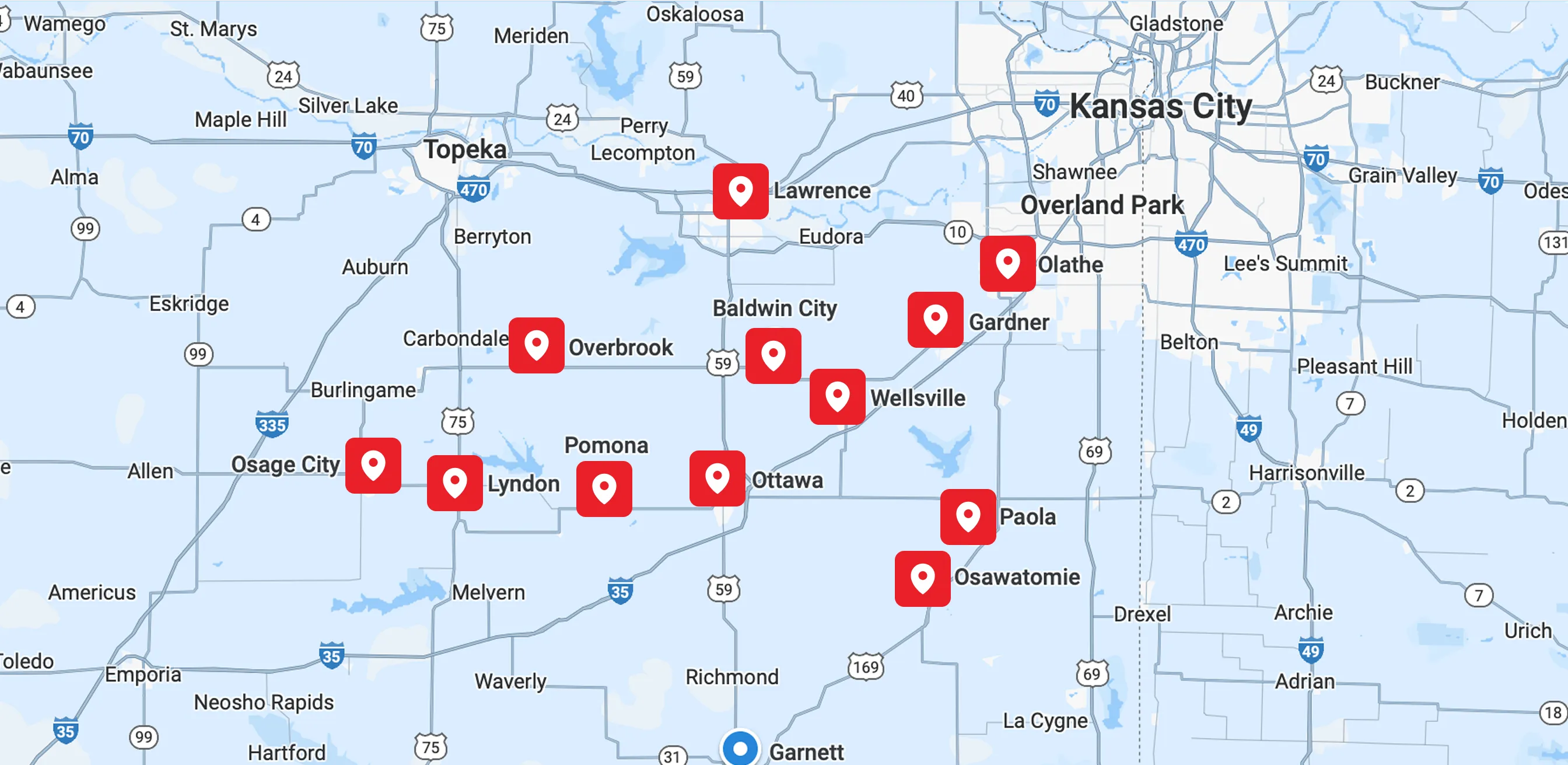
Service Areas