Tankless Water Heater Replacement in Overbrook, KS
When it's time for tankless water heater replacement in Overbrook, KS, All Seasons Air Conditioning and Heating provides a comprehensive guide to help you decide between repair and full replacement, with emphasis on age, reliability, and cost-effectiveness. Our service includes thorough site evaluation and system sizing specifically tailored to Overbrook homes. We compare gas and electric options, and explain our responsible removal, disposal, and precise installation practices. We also cover permits, realistic timelines, financing, robust warranties, and achievable energy savings, helping homeowners understand the true costs, potential incentives, and long-term value of upgrading to a modern tankless system.
.jpeg)
Tankless Water Heater Replacement in Overbrook, KS
Upgrading to a tankless water heater is a common decision for Overbrook, KS homeowners looking for better energy efficiency, more consistent hot water, and a smaller equipment footprint. This page explains when a full replacement is recommended versus repair, how a professional evaluates your site and sizes a system, the differences between models and fuel options, removal and disposal steps, installation timelines, permit and code considerations, financing choices, warranty expectations, and realistic energy savings for homes in Overbrook.
When to Replace vs Repair
Deciding between repair and full replacement depends on age, performance, reliability, and cost-effectiveness.
Common signs replacement is recommended:
- Repeated breakdowns or frequent service calls
- Unit reaching or exceeding its typical service life
- Corrosion, leaks, or internal damage that is not economically repairable
- Declining hot water output or inability to meet household demand
- Major component failures such as motherboard or heat exchanger damage
- Desire for a larger capacity, higher efficiency, or different fuel type
Repair is often appropriate for single, isolated faults (igniter, sensor, minor leak) when the unit is relatively new and otherwise reliable. Replacement is the better long-term choice when repairs are costly relative to remaining life, or when household needs have changed.
Site Evaluation and System Sizing
A proper replacement starts with a thorough site evaluation tailored to Overbrook homes.
Key evaluation steps:
- Assess household demand by calculating peak flow rate needs (GPM) for fixtures used simultaneously
- Measure inlet water temperature during winter; Kansas winters lower inlet temps and require higher output capacity
- Check available gas service type and pressure or electrical panel capacity for electric models
- Inspect venting routes, clearances, and space constraints in utility closets, basements, or attic spaces
- Evaluate water quality; well water or hard water common in the region can reduce heat exchanger life and may require water treatment or a softener
- Confirm local code requirements and permit accessibility for the installation site
Sizing focuses on matching the tankless unit’s flow rate and temperature rise capacity to your household’s peak demand and Kansas winter inlet temperature. Oversizing avoids performance problems in colder months; undersizing risks limited hot water during simultaneous use.
Comparing Tankless Models and Fuel/Electric Options
Choosing between models and fuel types depends on availability, performance needs, and local factors.
Fuel and model comparisons:
- Gas-fired (natural gas or propane): Typically higher flow capacity, better suited for whole-house replacement in homes with existing gas service. Important to verify gas line size and pressure for Overbrook properties, especially on rural propane systems.
- Electric tankless: Easier to install in tight spaces and simpler venting, but require substantial electrical panel capacity and may be more appropriate for point-of-use or smaller households.
- Condensing vs non-condensing gas units: Condensing units extract more heat from exhaust for higher efficiency but require condensate drainage and corrosion-resistant venting.
- Single vs multiple units: Large homes or very cold climates often use multiple smaller units to supply different zones or fixtures and avoid long wait times for hot water.
- Built-in freeze protection and low-temp performance: Important in Overbrook winters to prevent freeze damage and maintain flow when inlet temperatures drop.
Model selection also considers recovery rate, minimum flow activation, water quality tolerances, and available manufacturer warranties.
Removal and Disposal of Existing Units
Replacement includes safe removal and responsible disposal.
Typical removal process:
- Shut off fuel and water supplies and safely isolate electrical connections
- Drain and disconnect the old unit; for tank systems, properly extract and dispose of standing water
- Remove and recycle scrap metal and components in compliance with local regulations
- Dispose of any hazardous materials, such as insulation or sealed components, per Osage County guidelines
- Prepare site for new unit by patching penetrations, updating vent terminations, and upgrading piping or electrical as needed
Recycling and proper disposal reduce environmental impact and ensure compliance with local waste handling rules.
Installation Timelines, Permits and Code Compliance
Installations in Overbrook generally follow a predictable process that integrates permitting and inspections.
Typical timeline:
- Site evaluation and sizing appointment
- Permit submittal and approval from the City of Overbrook or Osage County building department
- Onsite installation day(s) that may take from a single day for simple like-for-like swaps to several days for gas line upgrades, venting modifications, or electrical panel work
- Final inspection and system commissioning to verify safe operation and code compliance
Code and compliance considerations:
- Gas line sizing and leak testing to meet applicable fuel gas codes
- Proper venting, termination clearances, and condensate management for condensing units
- Electrical circuit and panel requirements for electric models, including appropriate breakers and wiring
- Combustion air provisions for indoor gas units
- Required permit and inspection steps mandated by local building officials
Following local codes ensures safety, reliability, and valid warranties.
Expected Costs and Financing Options
Replacement costs depend on system type, site complexity, and any required upgrades. Factors influencing cost include fuel conversion, gas line enlargement, electrical upgrades, venting work, water treatment, and multi-unit installations.
Common financing options homeowners consider:
- Home improvement loans or lines of credit
- Manufacturer or retailer financing programs with deferred payment options
- Energy efficiency financing, such as PACE where available
- Local utility or state incentive programs and rebates for high-efficiency equipment
Reviewing several financing paths helps match the project scope to monthly budget goals while leveraging available incentives for energy-efficient installations.
Warranty Information and Projected Energy Savings
Warranties reduce long-term risk but vary by manufacturer and installation.
Warranty basics:
- Manufacturer warranties typically cover heat exchangers for extended periods and parts for several years; labor warranties are often provided separately by the installing contractor
- Warranty duration and coverage depend on model, water quality, and proper installation and maintenance
- Retain proof of professional installation and follow recommended maintenance schedules to preserve warranty coverage
Projected energy savings:
- Compared to older storage tank systems, tankless replacements can reduce energy consumption for water heating substantially depending on usage patterns, fuel type, and system efficiency
- Homes with intermittent hot water usage or lower overall demand often see the greatest percentage savings
- Accurate savings projections require assessment of current fuel costs, hot water usage patterns, and system efficiency ratings
Maintenance and Long-Term Benefits
Routine maintenance extends lifespan and protects efficiency:
- Periodic descaling in hard water areas, typically annually or as recommended
- Flushing and filter cleaning to prevent sediment buildup
- Professional inspection of venting, gas connections, and controls
For Overbrook homeowners, a correctly sized and installed tankless replacement can provide more reliable hot water during cold months, reduce energy use, and free up space, while offering lasting value when paired with proper maintenance and compliance with local codes.
Customer Testimonials
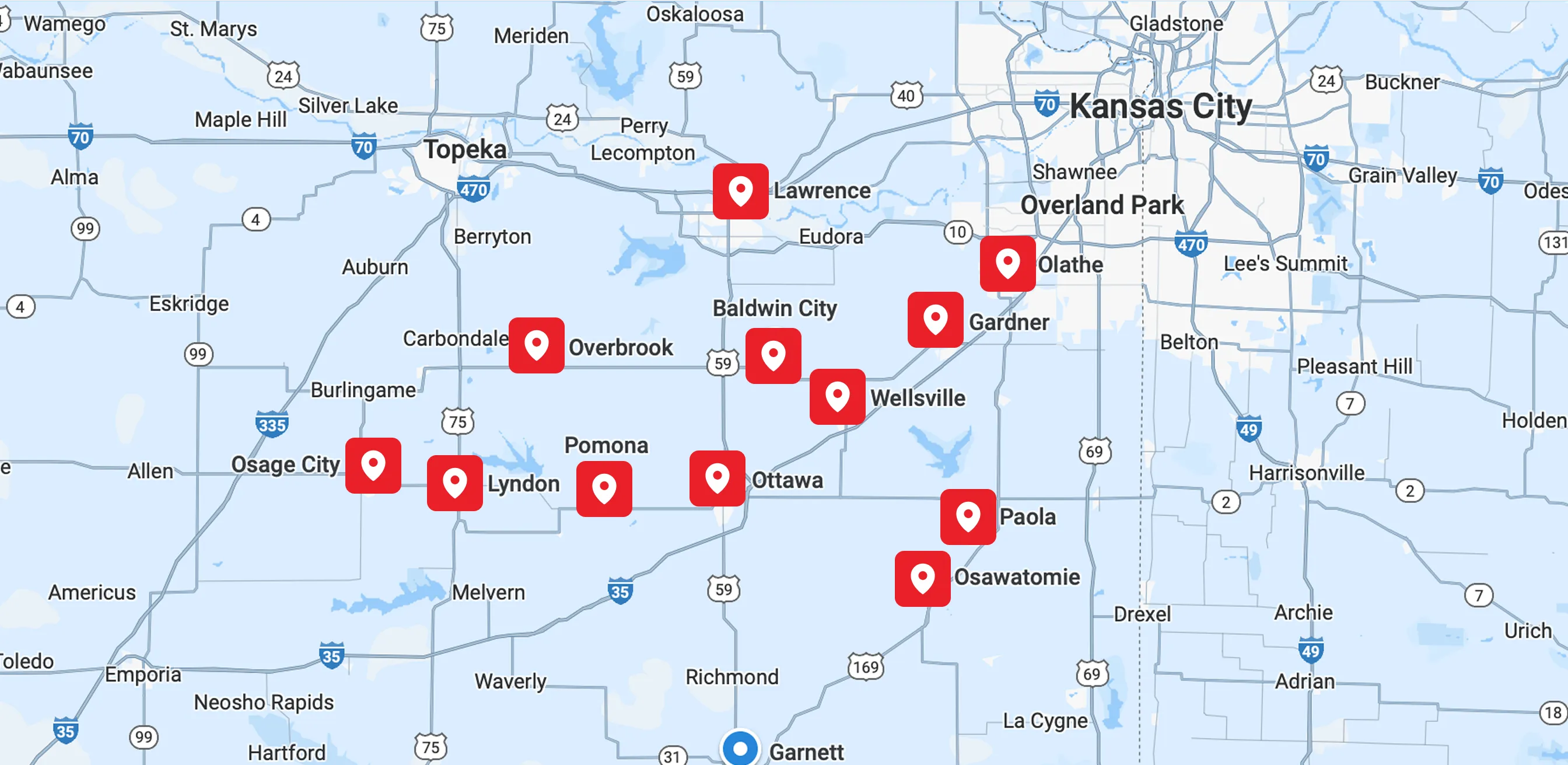
Service Areas