Water Heater Installation in Gardner, KS
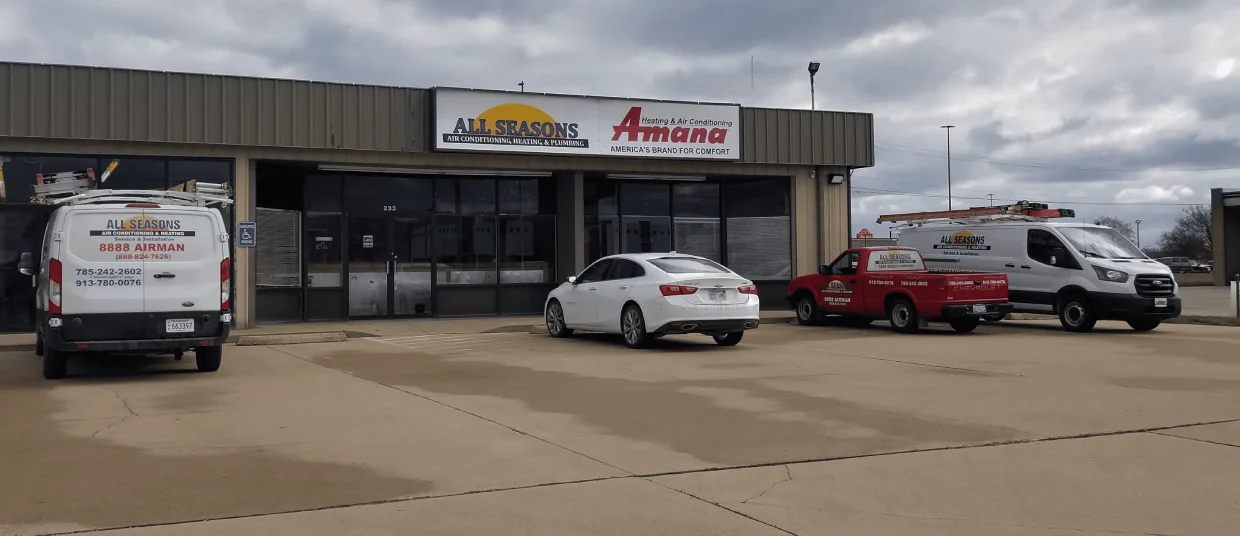
All Seasons Air Conditioning and Heating outlines professional water heater installation in Gardner, KS, highlighting pre-installation assessments, unit selection guidance, and a step-by-step installation process. We cover gas and electric hookups, venting, and safety checks, followed by commissioning, testing, and warranty information. You'll learn how proper sizing for winter demand, water quality considerations, and code compliance contribute to reliability, efficiency, and safety. We also emphasize aftercare, maintenance plans, and local considerations to maximize performance and protect warranties. Following these steps with us ensures lasting hot water.
.webp)
Water Heater Installation in Gardner, KS
Installing a new water heater is one of the most impactful upgrades for comfort, energy efficiency, and safety in your Gardner, KS home. Whether you are replacing a failed unit, upgrading to a more efficient model, or installing a system for new construction, professional water heater installation ensures correct sizing, compliant hookups, and reliable performance through cold Kansas winters. This page explains what to expect from a full-service installation: pre-installation assessment, unit selection guidance, step-by-step installation details, safety and code checks, commissioning and testing, and aftercare and warranty information.
Common water heater types and common issues in Gardner, KS
Understanding the options makes it easier to pick the right system for local conditions.
- Conventional tank (gas or electric): Simple and cost effective, common in Gardner homes. Issues include sediment buildup, inefficient standby losses, and leaking tanks at end of life.
- Tankless (on-demand) units: Smaller footprint and lower standby loss. Typical issues include undersized gas supply or venting, and scaling in hard water areas.
- Heat pump (hybrid) water heaters: Highly efficient for moderate climates. Require adequate space and may need supplemental resistance heat in very cold periods.
- High-efficiency condensing gas heaters: Use combustion heat efficiently but need proper condensate drainage and venting.
Common water heater installation issues in Gardner, KS:
- Improper unit sizing for peak winter demand
- Inadequate venting or combustion air for gas systems
- Untreated hard water causing scale and reduced efficiency
- Absence of expansion tank on closed systems leading to pressure problems
- Noncompliant venting and flue installations in older homes
Pre-installation site assessment
A thorough site assessment avoids surprises on installation day and ensures the new heater will perform safely and efficiently in your home.
- Location review: Confirm available space, access clearances, and structural support. Many Gardner homes have tight utility closets or basements that require specific equipment choices.
- Fuel and utility check: Verify gas line size and pressure for gas models, and electrical service and breaker capacity for electric or hybrid units.
- Venting and combustion air: Assess existing flues and surrounding construction for code-compliant venting paths and combustion air sources.
- Water quality and piping: Test for hardness and sediment; inspect existing plumbing, shutoff valves, and drainage for pan and pressure relief valve discharge.
- Permits and code review: Identify local permit requirements and any municipal code updates in Johnson County that affect installation.
Unit selection recommendations
Choosing the right unit protects comfort and long-term operating costs.
- Capacity and flow: For tank units, select gallon capacity that meets household peak demand. For tankless, calculate required gallons per minute (GPM) and temperature rise during Gardner winter water inlet temperatures.
- Fuel choice: Natural gas is common for faster recovery in cold weather. Electric and heat pump options are suitable where gas service is limited or to prioritize energy efficiency.
- Efficiency and features: Look at energy factor (EF) or Uniform Energy Factor (UEF), condensing technology, and built-in freeze protection if the unit will be in an unconditioned space.
- Hard water solutions: In areas with hard water, consider scale inhibitors, water softening, or tankless units with scale management features.
- Lifecycle and warranties: Balance upfront costs with expected lifespan and warranty terms for heat exchangers, tanks, and labor.
Professional installation steps
A professional installation follows a clear sequence to ensure safety and durability.
Safety and code compliance checks
Safety checks are integral to every installation and protect your family and property.
- Permit verification: Ensure all required municipal permits are obtained and closed through inspection.
- Combustion safety: Perform draft and combustion air checks for gas appliances and verify CO prevention measures.
- Electrical compliance: Confirm circuit sizing, breaker protection, and grounding meet electrical code.
- TPR valve and discharge: Check correct installation and unobstructed discharge path.
- Local code adherence: Follow Johnson County and Gardner-specific requirements for vent termination distances, seismic straps if required, and appliance clearances.
Commissioning and testing procedures
Commissioning validates proper operation before leaving the site.
- Leak and pressure tests: Pressurize water lines and gas lines and inspect for leaks.
- Start-up procedures: Light burners or energize elements following manufacturer sequence, monitor ignition and flame characteristics.
- Combustion and draft testing: For gas units, measure CO and combustion efficiency and confirm proper vent draft.
- Temperature and thermostat calibration: Verify water temperature settings and mixing valve operation. Recommend maximum safe setting of 120 F to reduce scald risk.
- Flow and recovery verification: Test hot water flow at fixtures and estimate recovery time against manufacturer specs.
Aftercare instructions and warranties
Proper maintenance extends performance and preserves warranty coverage.
- Annual maintenance: Flush sediment from tanks annually or at intervals recommended for local water conditions. Inspect the TPR valve and drain pan for proper function.
- Hard water management: If hard water is present, implement softening or descaling schedules to protect heat exchangers and elements.
- Winter considerations: Ensure adequate insulation and, if the unit is in an unheated space, verify freeze protection measures.
- Warranty registration and documentation: Keep manufacturer warranty paperwork and any local permit inspection records. Many warranties require professional installation to remain valid.
- Recommended settings: Maintain setpoint at 120 F for safety and energy savings, and program any connected devices according to manufacturer guidance.
ConclusionWater heater installation in Gardner, KS requires careful attention to local climate, water quality, and code requirements. A professional approach—starting with a detailed site assessment, selecting the right unit, executing plumbing and fuel hookups correctly, and performing thorough safety and commissioning checks—delivers consistent hot water, improved efficiency, and long-term reliability. Following the simple aftercare steps outlined here will maximize service life and maintain warranty coverage while keeping your household comfortable throughout Kansas seasons.
Customer Testimonials
Service Areas