Water Heater Installation in Lyndon, KS
Water heater installation in Lyndon, KS is explained in detail by All Seasons Air Conditioning and Heating, from selecting the right unit and fuel type to professional installation steps, safety checks, and permit requirements. We cover common Lyndon installation challenges, venting, gas and electrical considerations, and hard water implications, plus pre-installation assessments and capacity sizing. We also outline commissioning, performance testing, and a maintenance schedule to maximize lifespan, ensuring reliable hot water, code compliance, and long-term energy efficiency for local homes.
.webp)
Water Heater Installation in Lyndon, KS
Choosing the right water heater and having it installed correctly matters for comfort, safety, and long-term cost. For homeowners in Lyndon, KS, where cold winters and locally variable water quality create specific challenges, a professional water heater installation ensures efficient hot water, code compliance, and reliable performance. This page outlines the full installation process, common issues in Lyndon homes, fuel and capacity selection, safety and permitting requirements, commissioning steps, and recommended maintenance to maximize lifespan.
Why professional installation matters in Lyndon, KS
Lyndon experiences seasonal temperature swings and many homes rely on a mix of natural gas and propane or on electric service. Rural and older properties may have aging gas lines, undersized vents, or water with higher mineral content. Professional installation addresses these local factors by ensuring:
- Safe and code-compliant venting and combustion air for gas or propane units
- Proper electrical capacity and dedicated circuits for electric or hybrid units
- Freeze protection and drain routing in unheated spaces
- Measures to combat hard water buildup that reduces efficiency and lifespan
Common water heater installation types and issues in Lyndon
Homes in Lyndon commonly require one of the following services:
- Standard tank water heater replacement (gas, propane, or electric)
- Tankless (on-demand) water heater installation for high efficiency and endless hot water
- Heat pump (hybrid) water heater installation to reduce energy use in milder seasons
- Commercial or high-capacity residential upgrades for large households or rental properties
Frequent pre-install issues found in the area:
- Aging or undersized gas lines and lack of proper shutoff valves
- Insufficient venting or deteriorated chimneys for combustion exhaust
- Hard water causing tank and element corrosion, lowering efficiency
- Poor drainage under water heaters or no drain pan in finished spaces
- Electrical panels without room for a new dedicated breaker for high-demand units
Pre-installation inspection: what is checked
A thorough inspection before installation prevents surprises and ensures the new unit performs safely and efficiently:
- Physical location assessment for clearances, floor support, and drain access
- Fuel source verification: natural gas pressure, propane availability, or electrical service capacity
- Venting and flue condition for gas or propane units
- Water quality check and presence of a water softener or sediment issues
- Local code and permit requirements based on municipal and Osage County rules
- Existing piping, shutoffs, and overflow routing including drain pan setup
- Space for future maintenance access and recommended clearances
Selecting the right unit: capacity and fuel considerations
Choosing the correct capacity and fuel type depends on household needs and utility costs:
- Tank size (gallons): For tank systems, common sizes are 30, 40, 50, and 75 gallons. A 40–50 gallon tank typically suits families of 2 to 4. Consider first hour rating (FHR) which combines tank capacity and recovery rate to match peak demand.
- Tankless sizing: Match flow rate (gallons per minute) to peak simultaneous uses such as two showers plus dishwasher. In Lyndon winters, account for larger temperature rise needs.
- Fuel type: Evaluate natural gas, propane, electric, or heat pump options based on availability and operating costs. Propane is common in rural properties; professionals verify line sizing and storage compliance.
- Efficiency ratings: Look at Uniform Energy Factor (UEF) or Energy Factor (EF) and estimated annual operating costs for your fuel mix.
- Accessories: Expansion tanks for closed systems, drain pans with proper discharge, sediment traps for gas lines, and water treatment systems if hard water is present.
Professional installation steps
A standard professional installation follows clear stages to ensure safety and performance:
Permits, code compliance, and safety checks
Permits vary by municipality and Osage County rules. Typical requirements include:
- Plumbing and mechanical permits for replacing or installing a new water heater
- Gas permits for new or modified gas lines
- Inspections for venting, combustion, and final system operationInstallers verify compliance with applicable codes, ensure the pressure relief valve is routed to a safe location, confirm proper vent termination, and check for carbon monoxide risks in combustion systems.
Commissioning and performance testing
After installation, technicians perform commissioning tests to verify safe operation and proper performance:
- Leak checks and pressure tests on water and gas connections
- Burner ignition and combustion analysis for gas and propane units
- Electrical safety checks and verification of breaker sizing for electric units
- Temperature-rise test and thermostat calibration
- Draft test and vent flow verification
- Operation of pressure relief valve and confirmation of proper discharge routing
- Final inspection documentation consistent with permit requirements
Maintenance schedule to maximize lifespan
Regular maintenance is essential, especially in areas with hard water and seasonal temperature extremes:
- Annual professional inspection for gas burners, venting, controls, and pressure relief valve operation
- Flush tank once per year for households with moderate hardness; every 6 months in hard water conditions to remove sediment
- Inspect and replace sacrificial anode rod every 2 to 4 years depending on water chemistry
- Test and exercise the pressure relief valve annually
- Check for signs of leaks, corrosion, and insulation integrity twice a year
- For tankless units, annual descaling may be required depending on water hardness
Long-term benefits of proper installation
A correctly selected and professionally installed water heater delivers:
- Improved safety and reduced risk of leaks, gas leaks, or carbon monoxide exposure
- Better energy efficiency and lower monthly utility bills
- Longer equipment life and preserved warranty coverage through compliant installation
- Consistent hot water delivery during Lyndon winters when demand and temperature rise are highest
This comprehensive approach to Water Heater Installation in Lyndon, KS ensures your home has reliable, efficient hot water tailored to local conditions. Proper inspection, accurate unit selection, code-compliant installation, and a practical maintenance plan protect your investment and provide predictable performance year after year.
Customer Testimonials
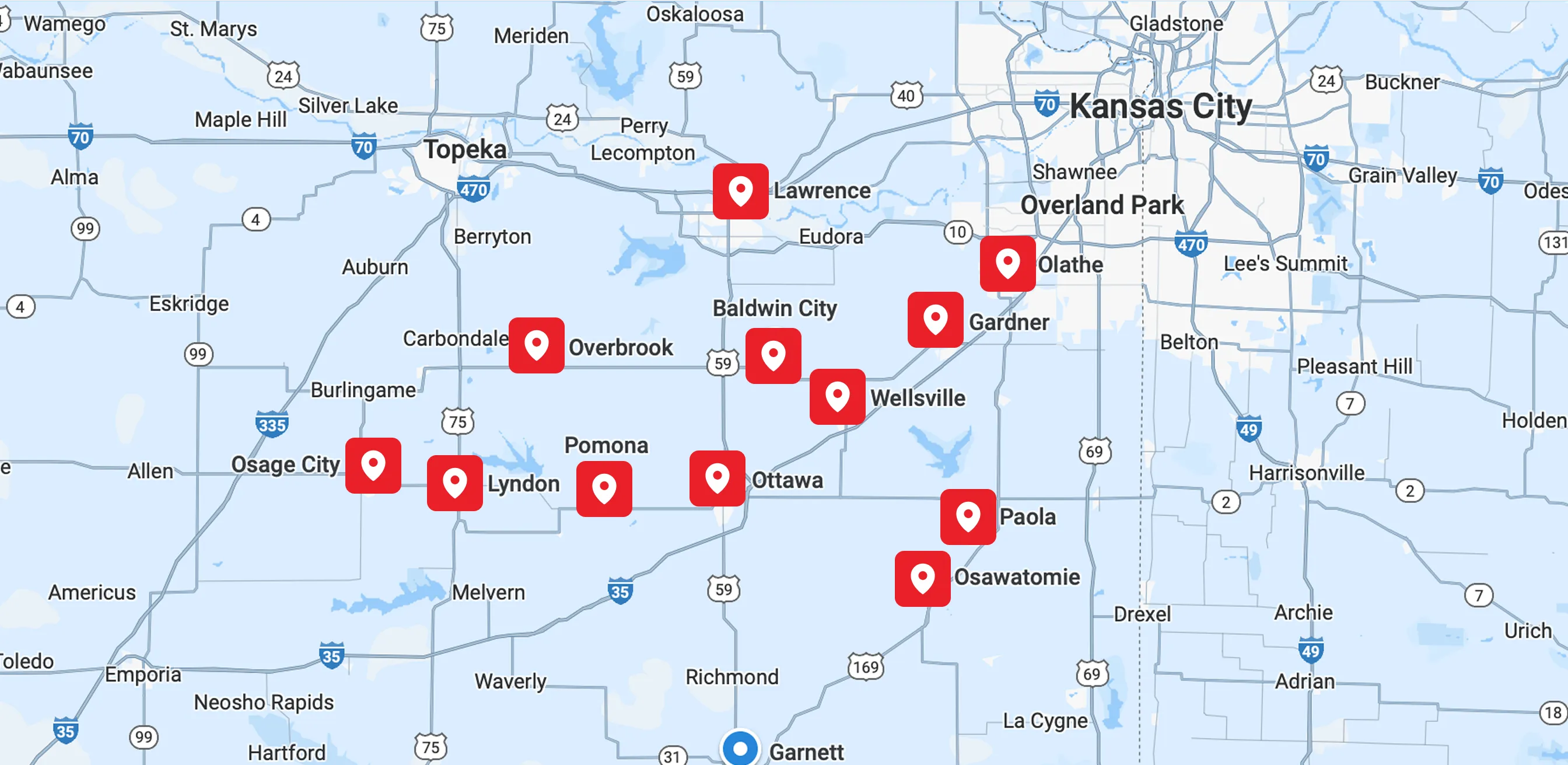
Service Areas