Water Heater Maintenance in Lyndon, KS
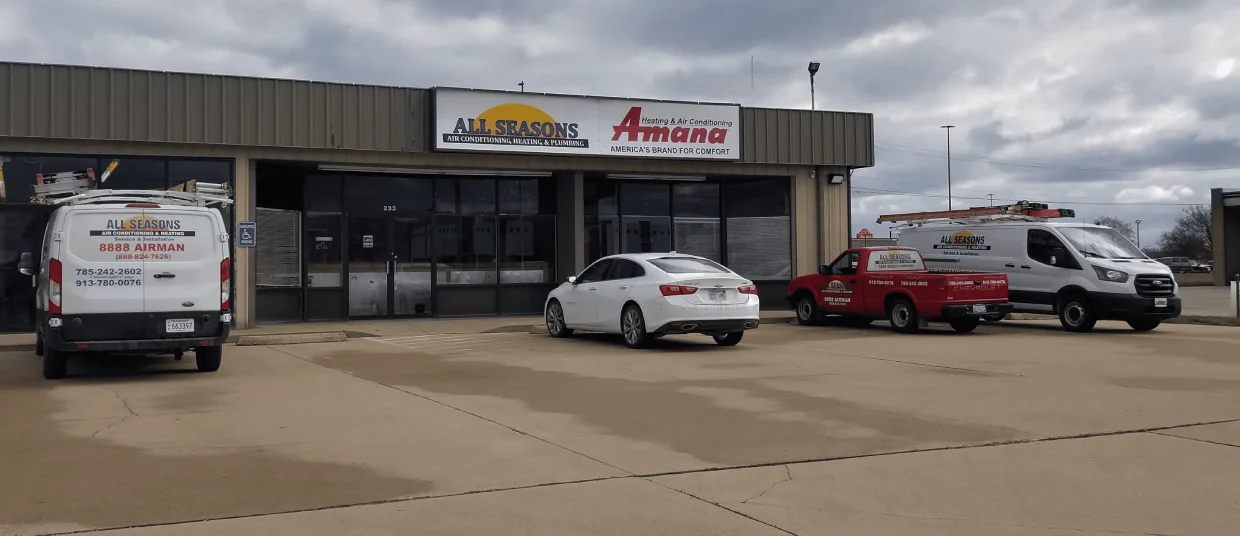
Water heater maintenance in Lyndon, KS from All Seasons Air Conditioning and Heating focuses on extending tank life, improving efficiency, and preventing costly repairs. We outline routine services such as annual inspections, tank flushing, anode rod checks, pressure relief valve testing, thermostat calibration, and venting checks, plus plan options from Basic Tune-Up to Comprehensive Care. We also provide homeowner tips, signs indicating maintenance or replacement, and guidance to plan preventive visits that keep hot water reliable in seasonal Kansas conditions year-round.
.webp)
Water Heater Maintenance in Lyndon, KS
Keeping your water heater well maintained is one of the most cost-effective ways to preserve comfort and avoid emergency repairs in Lyndon, KS homes. Regular maintenance improves energy efficiency, extends tank life, reduces the risk of leaks or failures in cold months, and helps prevent sediment buildup that is common in this region. This page explains the routine maintenance services offered, what a technician will inspect and correct, the benefits of proactive care, maintenance plan options, and practical homeowner tips tailored to Lyndon area conditions.
Why water heater maintenance matters in Lyndon, KS
Lyndon experiences hot summers and cold winters with seasonal freezing risk and variable water quality. Many local homes face:
- Moderate to hard water and mineral content that accelerates sediment buildup in tanks and shortens component life.
- Older homes with well water or older piping that can introduce more debris into the heater.
- Cold winters that increase demand on the heater and raise the risk of pipe freeze or pressure-related issues.
Regular maintenance reduces energy waste, prevents premature corrosion, and helps your unit deliver reliable hot water when you need it most.
Common water heater issues in Lyndon homes
- Reduced hot water capacity or shorter run times due to sediment settling in the tank
- Fluctuating water temperature from thermostat drift or faulty elements
- Leaks from corroded fittings, weakened tank walls, or failed anode rods
- Pressure relief valve failures leading to unsafe pressure buildup
- Noisy operation (popping or rumbling) caused by mineral deposits on the burner or heating elements
- Inefficient heating and higher utility bills from scale and sediment
Routine maintenance services (what we do)
Each maintenance visit focuses on restoring safe, efficient operation and catching small problems before they become costly.
- Annual inspection
- Visual inspection of tank, fittings, venting (if gas), and surrounding area
- Check for corrosion, leaks, loose connections, and proper clearances
- Tank flushing and sediment removal
- Full tank flush to remove mineral buildup and reduce strain on heating elements
- For heavy sediment, multiple flushes or targeted removal may be recommended
- Anode rod check and replacement
- Inspect sacrificial anode for corrosion; replace when depleted to prevent tank rust
- Strongly advised for tanks older than 3–5 years or with known water hardness
- Pressure relief valve testing
- Manual lift and test to ensure proper release and reseating
- Replace valves that fail to operate correctly to maintain safe pressure control
- Thermostat calibration and element inspection
- Verify temperature settings and accuracy; adjust to recommended safe levels
- Inspect and test heating elements (electric) or burner assembly and controls (gas)
- Drain valve inspection and replacement
- Ensure the drain valve opens and seals properly; replace if leaking or corroded
- Combustion and venting check (gas units)
- Inspect burners, pilot or ignition systems, and venting to ensure safe combustion and exhaust
What to expect during a maintenance visit
- Technician arrives with tools and diagnostic equipment, performs a safety check, and explains the inspection scope.
- The tank is depressurized and flushed; components are inspected and tested.
- Worn parts such as an anode rod or pressure relief valve are noted for replacement if needed.
- Technician provides a clear summary of findings and recommends next steps, including suggested interval for follow-up service.
Benefits of regular maintenance
- Longer equipment life: Removing sediment and replacing anodes slows corrosion and prolongs tank life.
- Improved efficiency: Clean tanks and properly calibrated thermostats use less energy, lowering operating costs.
- Fewer emergency repairs: Early detection of leaks, failing valves, and worn components prevents sudden failures.
- Safer operation: Reliable pressure relief and correct combustion reduce fire and scald risks.
- Better hot water performance: Consistent temperature and full capacity restored after sediment removal.
Maintenance plans (options tailored to Lyndon homeowners)
Plans are structured to match needs from simple annual Tune-Ups to comprehensive coverage for older systems or homes with well water.
- Basic Tune-Up
- Annual visual inspection, thermostat check, pressure relief valve test, and brief flush
- Best for newer tanks in low-sediment municipal water situations
- Standard Maintenance
- Full tank flush, anode rod inspection, pressure relief valve test, thermostat calibration, and component tightening
- Recommended for most Lyndon homes with typical municipal or mixed water sources
- Comprehensive Care
- All Standard tasks plus priority inspections, full sediment treatment, replacement of one wear item (anode or valve) if needed, and seasonal checks for winter readiness
- Ideal for homes on well water, older tanks, or households with high hot-water demand
Plans may be offered as single annual visits or recurring agreements; choose based on tank age, water quality, and household usage.
Homeowner tips for prolonging water heater life
- Flush your tank once a year; homes with hard water or well water should consider flushing every 6 months.
- Check the temperature setting and keep it at a safe, efficient level (120 degrees F recommended for most households).
- Inspect visible fittings periodically for leaks or corrosion.
- If you have a gas unit, ensure the venting is clear of debris and winter ice; keep the area around the heater uncluttered.
- Consider installing a water softener or sediment filter if you have hard water or frequent sediment issues.
- Insulate older tanks and exposed hot water pipes to reduce heat loss and improve efficiency during cold Kansas winters.
- Replace the anode rod sooner rather than later if you notice rusty water, strange odors, or accelerated rust on fittings.
Signs you need maintenance or replacement
- Persistent leaks or rusty water coming from taps
- Loud popping, rumbling, or frequent cycling noises
- Inconsistent hot water temperature or reduced hot water volume
- Visible corrosion around fittings or on the tank surface
- More frequent repairs or a tank older than 8–12 years
Regular, professional water heater maintenance in Lyndon, KS minimizes surprises, keeps your home comfortable year-round, and protects a major household investment. Prioritizing annual inspections and following simple homeowner care steps will keep hot water flowing efficiently and safely for years to come.
Customer Testimonials
Service Areas