Water Heater Repair in Lyndon, KS
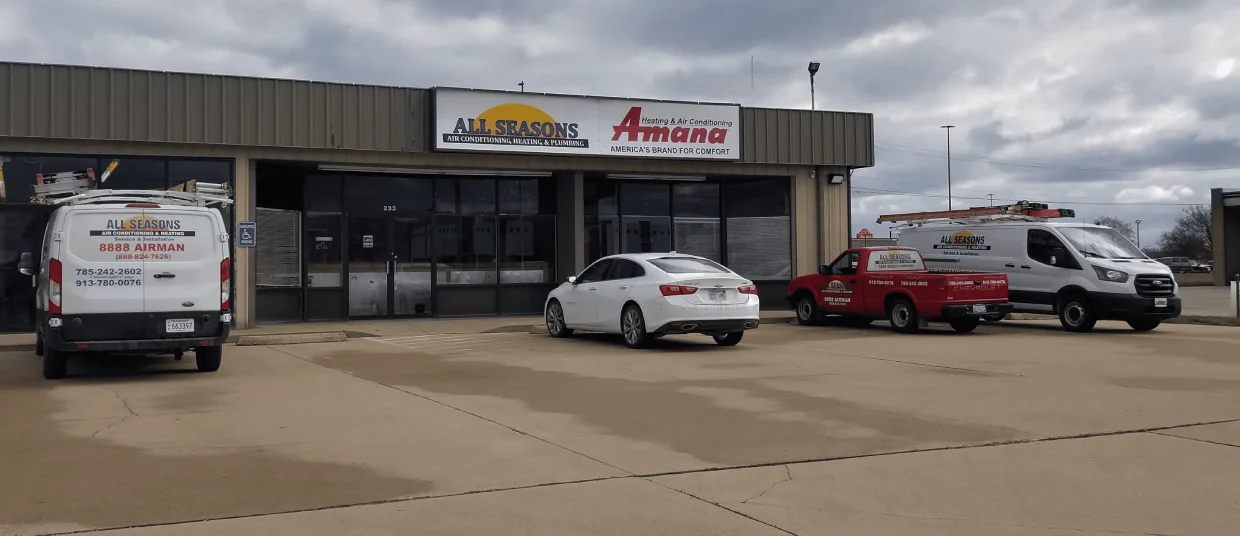
Water Heater Repair in Lyndon, KS is presented by All Seasons Air Conditioning and Heating with a clear, safety-first approach. We outline common problems, diagnostics, and repair options tailored to Lyndon’s hard water and climate. Our company covers expected timelines, transparent estimates, warranties, and emergency service. Preventive maintenance tips focus on sediment control, anode inspections, temperature setting, and system protection against freeze damage. By explaining findings in plain language, our technicians help homeowners weigh repairs versus replacement, balancing reliability, cost, and long-term safety.
.webp)
Water Heater Repair in Lyndon, KS
A properly functioning water heater is essential for comfort and safety in Lyndon homes, especially with hot Kansas summers and freezing winters that stress plumbing systems. Whether you have no hot water, a leaking tank, strange noises, or pilot/ignition trouble, timely repair prevents damage, restores performance, and often saves money versus full replacement. This page explains the common water heater problems in Lyndon, how technicians diagnose them, typical repair options, expected timelines, warranty expectations, emergency service considerations, and practical maintenance tips tailored to local conditions.
Common water heater problems in Lyndon, KS
- No hot water or inconsistent heating: Usually caused by failed heating elements on electric units, faulty thermostats, tripped breakers, or gas supply/ignition problems on gas units.
- Leaks from the tank or connections: Corroded tanks, loose fittings, faulty pressure relief valves, or leaking drain valves are frequent causes.
- Strange noises: Popping, banging, or rumbling typically indicate sediment buildup on the bottom of the tank, which reduces efficiency and can accelerate corrosion.
- Pilot light or ignition issues: For gas units, a weak pilot, faulty thermocouple, clogged pilot opening, or control valve failure will prevent ignition or cause intermittent operation.
- Discolored or foul-smelling water: Rust or bacterial buildup can discolor or odorize hot water; often related to corroded anode rods or excessive sediment.
- Low hot water volume or short recovery: Sediment, failing dip tubes, undersized units, or weakened heating elements reduce usable hot water.
- Pressure relief valve discharge: This indicates excessive pressure or temperature and needs prompt attention to avoid tank failure.
Local factors in Lyndon — such as hard water common in eastern Kansas, seasonal freeze-thaw cycles, and older homes with aging plumbing — increase the likelihood of sediment, corrosion, and freeze-related damage.
How technicians diagnose water heater issues
Technicians follow a systematic, safety-first diagnostic process to identify the root cause before recommending repairs:
Technicians will explain findings in plain language and outline repair options and implications for reliability and safety.
Repair options and what they mean
- Heating element replacement (electric): A common, cost-effective fix when the element has failed; typically restores full function if the tank is otherwise sound.
- Thermostat replacement or recalibration: Fixes temperature inconsistencies and prevents overheating.
- Thermocouple, pilot assembly, or gas valve repair (gas units): Addresses ignition and intermittent heating issues.
- Anode rod replacement and tank flushing: Reduces corrosion and extends tank life; recommended preventive or corrective work when sediment and rust appear.
- Pressure relief valve and drain valve replacement: Stops unsafe pressure discharges and prevents slow leaks.
- Tank patching: Short-term solution for small external leaks; not recommended as a long-term fix for internal tank corrosion.
- Dip tube replacement: Restores proper hot water delivery when cold water is mixing with hot at the top of the tank.
- Full tank replacement: Advised when the tank is severely corroded, has internal leaks, or is beyond typical service life (often 8–15 years depending on water quality and maintenance). Consider upgrading to a higher-efficiency tank or tankless system based on household needs.
Technicians will recommend repairs that balance immediate reliability, long-term cost, and safety. In many Lyndon homes with hard water, combining anode replacement and regular flushing can materially extend tank life.
Expected timelines and transparent estimates
- Initial on-site diagnosis: 30–90 minutes depending on access and complexity.
- Simple repairs (thermostat, element, valves): Often completed in 1–3 hours once parts are on hand.
- Pilot or gas control repairs: Typically 1–2 hours, with combustion checks afterward.
- Sediment flush and anode rod replacement: 1–2 hours.
- Temporary tank patch: 1–2 hours (short-term fix).
- Full water heater replacement: Usually a half-day to a full day depending on venting, gas line or electrical upgrades, and permit work.
Before any work begins, you should receive a clear written estimate that lists the recommended services, parts to be used, and expected timeline. Cost drivers include part type (OEM vs aftermarket), unit accessibility, age and condition of piping, necessary permits, and whether upgrades or code-compliant changes are required.
Warranty, parts guarantees, and emergency/after-hours service
- Manufacturer warranties: New units come with manufacturer parts warranties that vary by model; technicians will document serial numbers and warranty coverage for replaced parts.
- Labor and workmanship expectations: Reputable repair work generally includes a limited labor warranty (commonly 30–90 days) on the specific repair. Ask for written terms before work begins.
- Parts guarantees: Replacement parts like thermostats, elements, valves, and anode rods often carry their own limited guarantees. Technicians should provide part documentation.
- Emergency service: Major leaks, burst tanks, or total heating loss in winter require immediate attention. Emergency options typically include stabilizing the situation (shutting off water and power/gas, draining the tank), temporary bypass or space heating recommendations, and prioritized scheduling for same-day or after-hours repair. In freeze-prone conditions in Lyndon, preventing frozen pipes and restoring hot water quickly reduces risk of burst lines.
Preventive maintenance to extend system life in Lyndon homes
- Annual flush: Removes sediment to improve efficiency and reduce noises.
- Anode rod inspection and replacement every 2–4 years: Protects the tank from corrosion, especially in hard water areas.
- Set water temperature to 120°F: Balances safety, energy use, and reduces scale formation.
- Insulate exposed hot water pipes and the tank: Helps in winter to reduce heat loss and protect against freeze-related stress.
- Install a water softener or scale control if hard water is present: Reduces sediment and extends component life.
- Check TPR valve and drain valve annually: Ensures they operate if needed to relieve pressure.
Timely maintenance in Lyndon’s climate reduces the frequency of emergency repairs and helps older tanks reach expected lifespans.
Why prompt repair matters
Addressing water heater issues quickly prevents home water damage, reduces energy waste, and avoids safety hazards like gas leaks or scalding temperatures. For Lyndon homeowners, acting early—especially before winter—minimizes freeze-related failures and extends the life of existing equipment. When a problem is diagnosed, weigh short-term repairs against replacement based on unit age, condition, and local water quality to arrive at the most cost-effective, reliable solution.
Customer Testimonials
Service Areas