Water Heater Repair in Paola, KS
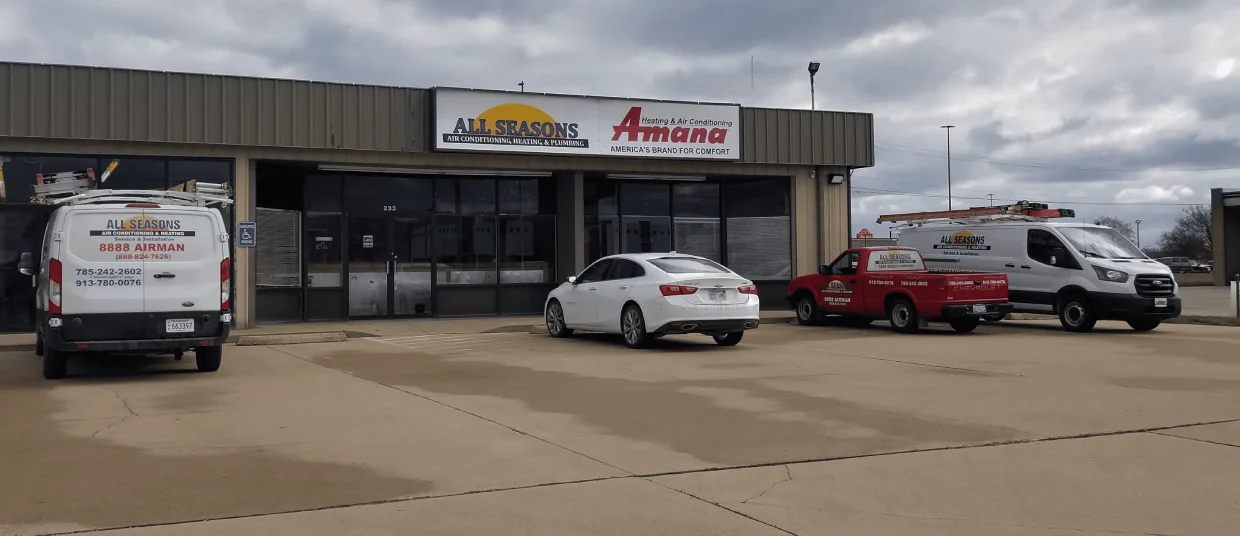
Water heater repair services for Paola, KS homeowners from All Seasons Air Conditioning and Heating focus on accurate diagnostics, timely repairs, and preventive care to extend tank life. We cover common problems, from cold water to leaks and noisy tanks, and outline a systematic diagnostic process, safety checks, and component testing. We list typical replacement parts, emergency response options, warranty considerations, and practical maintenance tips to reduce sediment buildup, protect water quality, and prevent costly outages, especially in hard-water areas today.
-min.webp)
Water Heater Repair in Paola, KS
When your water heater fails, daily routines stop: no hot showers, cold dishwater, and potential water damage. For homeowners in Paola, KS, timely, professional water heater repair is essential to restore comfort and protect your home. Winters in eastern Kansas can be cold and prolonged, increasing demand on water heaters and accelerating wear. In addition, local water hardness and well water in parts of Miami County contribute to sediment and mineral buildup that shorten tank life. This page explains common water heater issues in Paola, KS, how technicians diagnose problems, typical repairs and parts replaced, emergency repair availability, expected timelines, warranty and safety considerations, and practical tips to prevent future failures.
Common water heater problems in Paola, KS homes
- No hot water: Often caused by failed heating elements, malfunctioning thermostats, or pilot/ignition issues on gas units. Cold snaps in winter can make problems more apparent.
- Inconsistent or scalding hot water: Thermostat failure, sediment insulating elements, or a faulty mixing valve can create temperature swings.
- Leaks or puddling around the unit: Corrosion, a failing pressure relief valve, loose fittings, or cracks in the tank can lead to leaks that need immediate attention.
- Strange noises: Popping, rumbling, or banging usually indicate heavy sediment buildup on the tank bottom, causing overheating and reduced efficiency.
- Pilot light or ignition failure (gas units): Clogged pilot tubes, a defective thermocouple, or gas supply issues can prevent reliable ignition.
- Low water pressure or discolored water: Mineral deposits, failing dip tubes, or corroded components can reduce flow or affect water quality.
- Frequent cycling or short heater life: Often from oversizing issues, faulty controls, or excessive sediment in regions with hard water.
Diagnostic process: what to expect
Professional diagnostics start with a safety-first visual inspection and follow a systematic process so you know the root cause rather than just a temporary fix.
- Confirm gas lines, electrical power, and venting are safe.
- Inspect for signs of active leaks or corrosion that could indicate imminent failure.
- Light the pilot or test ignition on gas models.
- Measure tank temperature consistency and thermostat response.
- Check hot water production and recovery times.
- Test heating elements and thermostats on electric heaters.
- Inspect burners, gas control valve, thermocouple, and pilot assembly on gas units.
- Evaluate anode rod condition, dip tube integrity, T and P valve function, and visible piping.
- Assess sediment levels by flushing a sample or partially draining the tank.
- For tankless units, check inlet filters and heat exchanger scaling.
Diagnostics typically take 30 to 90 minutes depending on accessibility and system complexity. Technicians will document findings and recommend repair versus replacement based on safety, performance, age, and cost-effectiveness.
Typical repairs and parts replacement
Repairs in Paola homes often address wear accelerated by seasonal demand and local water conditions. Common replacement parts include:
- Heating elements and thermostats (electric models)
- Gas control valves, thermocouples, pilots, and ignition modules (gas models)
- Temperature and pressure relief (T and P) valves
- Drain valves and inlet/outlet fittings
- Anode rods and dip tubes to protect tank internals
- Thermostatic mixing valves to stabilize outlet temperature
- Heating chambers or burners for high-efficiency units
- Heat exchanger cleaning or replacement for tankless systems
Technicians will replace failed parts only when needed and test the system to confirm full recovery of performance. When corrosion, multiple failed components, or a leaking tank are present, replacement is often the safer, longer-lasting solution.
Emergency repair availability and timelines
Water heater failures that cause leaks, no hot water in extreme cold, or suspected gas leaks require prompt attention. Emergency service options in Paola include after-hours response protocols and same-day diagnostics to secure the system and limit damage.
- Immediate safety actions: shutoff of gas or power and isolation of leaks can be performed quickly to prevent hazards.
- Typical service timelines:
- Emergency safety stabilization: 30 to 60 minutes
- Standard diagnosis and minor repairs: 1 to 3 hours
- Component replacements that require ordered parts: 1 to 5 business days depending on availability
- Full system replacement and installation: 4 to 8 hours for a standard tank-style heater, possibly longer for high-efficiency or complex setups
Emergency work focuses on making the system safe and restoring hot water quickly; follow-up repairs or replacements may be scheduled once immediate risks are addressed.
Warranty and safety considerations
Maintaining manufacturer warranties and household safety are top priorities.
- Warranty protection: Have any repairs or parts replacements performed by qualified technicians to avoid voiding manufacturer warranties. Keep records of service and parts for future warranty claims.
- Gas safety: A persistent smell of gas, hissing at connections, or unusual appliance behavior may indicate a gas leak. Immediate evacuation and utility notification are essential. Technicians will follow strict leak testing and ventilation checks.
- Carbon monoxide risk: Proper venting and combustion checks are critical for gas water heaters. Carbon monoxide detectors are recommended in homes with gas appliances.
- Electrical safety: For electric heaters, shutting off power at the breaker before any work is standard procedure. Grounding and wiring inspections prevent fire hazards.
- Water damage prevention: Leaking tanks can cause structural damage. Addressing leaks promptly limits repair scope and mold risk.
Tips to prevent future failures in Paola, KS
- Annual inspection and maintenance: A yearly service visit to check anode rods, T and P valves, and burners or elements extends life and maintains efficiency.
- Flush the tank regularly: Flushing every 6 to 12 months reduces sediment buildup, especially important with hard or well water common in this region.
- Replace the anode rod when depleted: Anode rods sacrifice themselves to protect the tank; replacing them prevents premature tank corrosion.
- Install a water softener or sediment filter: For homes with hard or well water, treatment lowers scale and sediment, reducing wear on elements and heat exchangers.
- Set the thermostat appropriately: 120 degrees Fahrenheit balances comfort and energy savings while reducing scald risk and stress on the heater.
- Monitor for slow leaks or rust: Early detection of minor leaks, rust spots, or water stains allows targeted repairs before catastrophic tank failure.
Final considerations
Water heater repair in Paola, KS is most effective when focused on accurate diagnosis, appropriate part replacement, and preventive maintenance tailored to local conditions like colder winters and mineral-rich water. Proper safety practices, adherence to warranty requirements, and routine upkeep will keep hot water flowing reliably and reduce the likelihood of emergency replacements. For homes in Paola, addressing small issues early is the best way to avoid costly disruptions and protect your property.
Customer Testimonials
Service Areas