Water Heater Tune-Up in Edgerton, KS
A Water Heater Tune-up in Edgerton, KS from All Seasons Air Conditioning and Heating offers comprehensive preventive service designed to protect your comfort and energy efficiency. Our company outlines why tune-ups are essential given local winters and mineral-rich water, addressing common issues such as sediment, corrosion, and faulty valves. We provide a detailed checklist covering inspection, cleaning, adjustments, and safety. We detail the tune-up process for storage tanks and tankless systems, highlighting the benefits of improved reliability, lower energy use, longer equipment life, and recommended yearly maintenance, along with practical tips for homeowners.
-min.webp)
Water Heater Tune-Up in Edgerton, KS
A seasonal water heater Tune-Up keeps your home comfortable, lowers energy waste, and prevents unexpected failures. In Edgerton, KS, cold winters and moderately hard water increase the stress on water heaters, making preventive maintenance an important investment for reliability and long equipment life. This page explains what a professional Tune-Up covers, common local issues, recommended frequency, and practical tips to keep your water heater running efficiently.
Why a water heater Tune-Up matters in Edgerton, KS
Edgerton homes face two main factors that affect water heaters: temperature swings in winter that increase demand and the mineral content in regional water that leads to sediment buildup. Left unchecked, these conditions can cause:
- Reduced heating efficiency and higher energy bills
- Noisy operation and uneven hot water delivery
- Corrosion and premature tank failure
- Safety risks from faulty pressure relief or combustion components on gas units
A Tune-Up addresses these risks before they become costly problems, improving comfort and saving money over the life of the unit.
Common water heater issues in Edgerton
- Sediment accumulation inside storage tanks that lowers efficiency and causes popping or rumbling noises
- Corroded fittings, leaks at connections, or a weakened tank lining
- Faulty pressure and temperature relief (T&P) valve that can fail to release excess pressure
- Thermostat or burner problems on gas heaters leading to inconsistent temperatures
- Scale buildup on electric elements or heat exchangers, reducing heat transfer
- Pilot light or venting issues on gas models that can affect combustion and safety
Typical water heater Tune-Up checklist
A thorough Tune-Up follows a detailed checklist tailored to the water heater type (storage tank, tankless, electric, gas). Typical items include:
Inspection and testing
- Visual inspection of the tank, connections, and surrounding area for leaks or corrosion
- Check venting and combustion air on gas units for blockages and proper draft
- Test the T&P valve to ensure it opens and reseats properly
- Check temperature and pressure readings to confirm safe operation
Cleaning and flushing
- Flush the tank to remove sediment and mineral deposits that reduce efficiency
- Clean burners and combustion chamber on gas heaters; inspect pilot assembly
- Remove and inspect heating elements on electric heaters; clean scale as needed
- For tankless models, perform descaling if flow restrictions or scale are present
Component checks and adjustments
- Inspect the anode rod and recommend replacement if heavily corroded
- Check and calibrate thermostats; recommend or set to energysaving 120°F where appropriate
- Inspect drain valve operation and replace if leaking or seized
- Tighten or replace any corroded fittings and flexible connections
- Verify proper insulation on the tank and hot water pipes; recommend pipe wrap where heat loss is high
Safety and efficiency recommendations
- Confirm vent terminations are clear and meet local code considerations
- Recommend water softening or targeted filtration if mineral buildup is significant
- Advise on insulation jackets, pipe insulation, and optimal thermostat settings for energy savings
What the Tune-Up process looks like
A typical Tune-Up begins with a system evaluation and safety checks. For storage tanks, the technician will isolate the unit, drain and flush to clear sediment, test the T&P valve, inspect the anode rod, and service burners or elements. For tankless units, the focus is on descaling and flow verification to prevent heat exchanger fouling. The process usually concludes with calibrating temperature, tightening connections, and documenting items that may need future replacement.
Technicians prioritize safety—verifying gas connections, combustion, and venting on gas models and ensuring electrical components are de-energized and secured on electric units. The aim is to return the system to safe, efficient operation and identify any parts that require replacement soon.
Benefits you can expect
- Improved reliability and fewer cold showers from unexpected failures
- Lower energy use and reduced utility bills through better heat transfer and calibrated controls
- Extended equipment life by reducing corrosion and avoiding overheating
- Quieter operation and more consistent hot water delivery
- Early detection of issues that are cheaper to fix when caught early
Recommended frequency for Tune-Ups
- Annual Tune-Up: The standard recommendation for most storage tank and tankless water heaters is once per year. Annual service is particularly important in areas with hard water or heavy seasonal demand.
- Twice yearly: Consider twice-yearly checks for older units, households with high hot water use, or if local water quality causes rapid mineral buildup.
- After specific events: Schedule an inspection after detecting leaks, repeated tripping of circuit breakers, unusual noises, or after seasonal shutdowns and freezes.
Maintenance tips for Edgerton homeowners
- Set the thermostat to 120°F to balance comfort, safety, and energy savings. Lower settings reduce standby losses and scald risk.
- Drain a few gallons from the drain valve every 6 months to remove surface sediment and slow buildup.
- Insulate exposed hot water pipes and consider an insulation jacket for older tanks to reduce standby heat loss during cold months.
- If your water shows signs of hardness (scale on fixtures, spotty dishes), consider point-of-entry or point-of-use filtration to reduce sediment and protect your water heater.
- Keep the area around the water heater clear for ventilation and easy inspection, especially during winter when access may be limited.
How Tune-Ups extend equipment life
Regular maintenance reduces the two fastest causes of failure: sediment-related overheating and corrosion. Flushing removes abrasive sediment that accelerates tank wear, and replacing or inspecting the anode rod prevents rust from consuming the tank lining. Clean burners, proper combustion, and calibrated thermostats reduce operating stress and help the water heater reach its expected lifespan.
A Water Heater Tune-Up in Edgerton, KS is a practical, preventive step that protects your home comfort through the seasons and helps you avoid emergency repairs. Proper maintenance tailored to local conditions delivers better performance, enhanced safety, and lower ongoing costs while extending the life of your water heating equipment.
Customer Testimonials
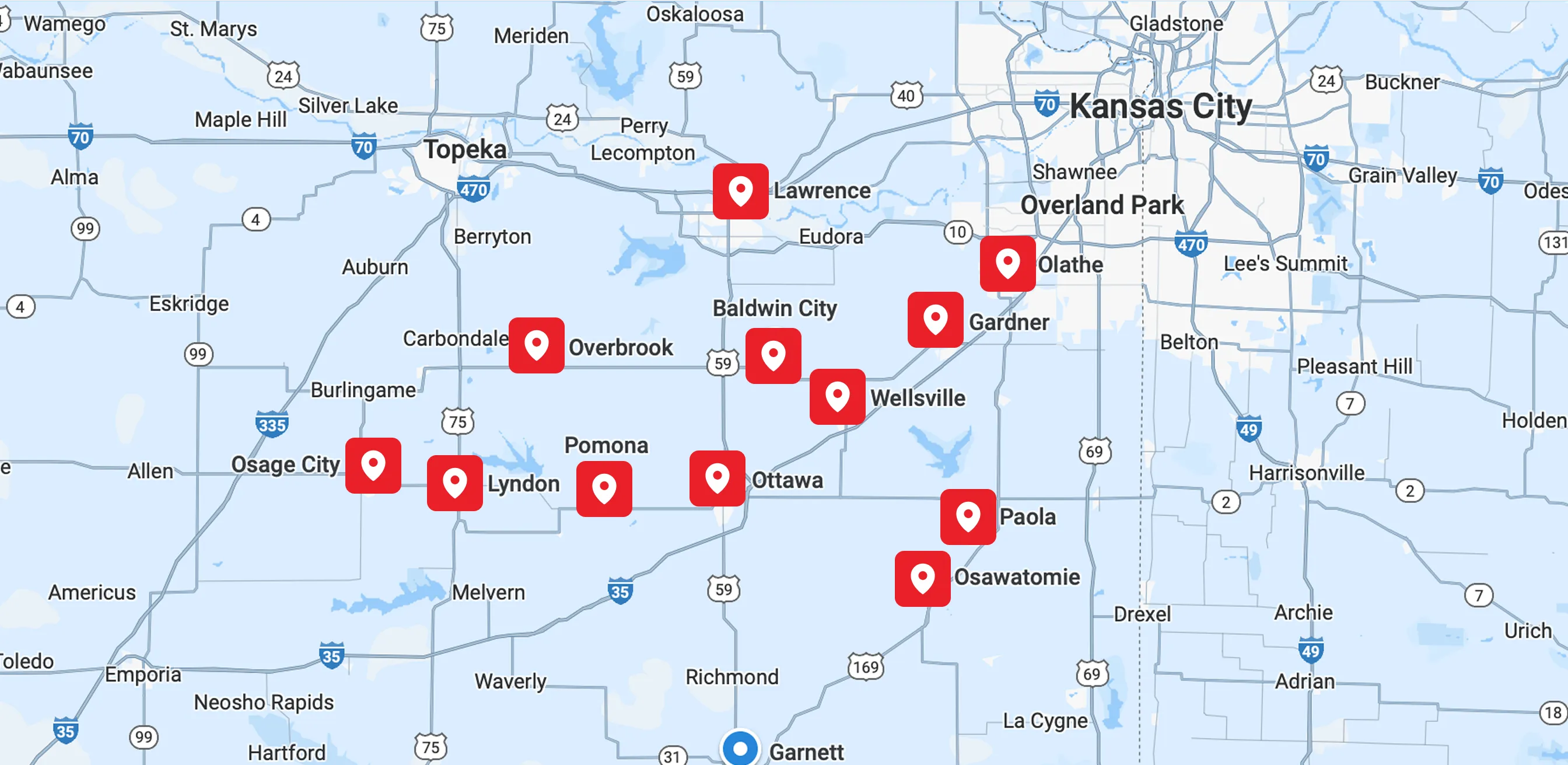
Service Areas