Water Heater Tune-up in Olathe, KS
Water Heater Tune-Up in Olathe, KS
Keeping your water heater tuned and running efficiently is one of the highest-impact maintenance tasks for Olathe, KS homes. With cold Midwest winters, seasonal demand spikes, and local water that often contains mineral content, a professional water heater tune-up in Olathe, KS helps reduce unexpected issues, improve efficiency, and extend the lifespan of the system.
With All Seasons Air Conditioning and Heating, you receive a thorough and reliable tune-up process tailored to Olathe’s conditions. This includes a detailed breakdown of what the service covers, the common problems we often see in the region, how our technicians diagnose and fix them, and practical maintenance guidance to ensure long-term reliability.
.webp)
Why a tune-up matters in Olathe homes
- Colder incoming groundwater in winter forces your water heater to work harder, increasing fuel or electricity use and stress on components.
- Local groundwater often carries minerals that create sediment buildup in tanks and on heating elements, lowering efficiency and causing premature failures.
- Preventative service catches small leaks, failing parts, and unsafe conditions before they lead to no-hot-water emergencies or costly replacements.
Common water heater issues in Olathe, KS
- Reduced hot water capacity or brief hot cycles from sediment-packed tanks
- High energy bills caused by poorly calibrated thermostats or insulating problems
- Rumbling or knocking noises from sediment burning on gas burners or electric elements
- Slow recovery times and frequent cycling from partially failed burners or heating elements
- Leaks at fittings, valves, or tank corrosion due to a weakened anode rod
- Faulty temperature and pressure relief (T&P) valves that can create unsafe pressure
Standard water heater tune-up checklist
A professional Water Heater Tune-up in Olathe, KS typically follows a systematic checklist to restore safe, efficient operation.
Inspection and safety checks
- Visual inspection of tank, connections, fittings, and venting for corrosion, leaks, or damage
- Verify proper venting and combustion for gas units to reduce carbon monoxide risk
- Inspect the drain pan and overflow lines for blockages or rust
Sediment management
- Flush the tank to remove accumulated sediment that reduces capacity and damages elements
- For heavy sediment, a more thorough flush or repeat drain may be recommended
Thermostat and temperature adjustments
- Check and calibrate the thermostat for accurate temperature control
- Recommend safe temperature settings (commonly 120 F) to balance comfort, energy use, and scald prevention
Valves, connections, and anode rod
- Test and exercise the temperature and pressure relief valve to ensure it operates freely
- Inspect and tighten water and gas connections; look for signs of leakage
- Inspect the sacrificial anode rod; recommend replacement if heavily corroded to prevent tank failure
Burner and heating element testing
- For gas units: inspect and clean burners, test pilot assembly or electronic ignition, and verify flame pattern
- For electric units: test heating elements and electrical connections for proper function and safety
Pressure and performance checks
- Measure incoming and operating water pressure where relevant and check for pressure-related issues
- Confirm recovery rates and run diagnostics if the unit is underperforming
Documentation and recommendations
- Provide a written summary of findings, condition of major components, and recommended follow-up actions or part replacements
How these steps prevent breakdowns
- Flushing sediment prevents element burnout and uneven heating that leads to premature replacement
- Thermostat calibration reduces excessive cycling that strains burners and electrical components
- Exercising the T&P valve avoids pressure buildup that can cause catastrophic failure
- Inspecting and replacing the anode rod delays tank corrosion and extends service life
- Cleaning burners and checking combustion prevents inefficient operation and carbon monoxide hazards
Frequency and timing recommendations for Olathe homeowners
- Annual tune-up: Recommended for most residential water heaters to maintain performance and warranty compliance
- Older units or properties with hard water: Consider semi-annual service or more frequent flushing to control sediment
- After seasonal changes: Schedule a check before winter to ensure reliability during peak demand months
Typical duration
- Most comprehensive tune-ups are completed in about 45 to 90 minutes for a standard residential water heater. Time can increase for units with heavy sediment, complex installation, or additional repairs required.
Performance and efficiency benefits
- Restores proper heating performance and recovery speed, so you get the expected hot water capacity
- Improves energy efficiency by eliminating wasteful operation caused by sediment, miscalibration, or bad components
- Fewer emergency repairs and a longer service life for the water heater, reducing long-term ownership cost
- Safer operation by catching potential gas leaks, faulty venting, and malfunctioning safety valves
Practical maintenance advice for Olathe homeowners
- Set your water heater to 120 F for safety and energy savings while still providing comfortable hot water
- Drain a few gallons from the tank every 6 to 12 months to reduce sediment buildup; do a full flush annually
- Test the T&P valve annually by lifting the test lever and allowing it to reseat
- Consider a water softening option if your home suffers from hard water; this reduces mineral buildup and extends component life
- Insulate exposed hot water pipes and consider an insulating jacket for older tanks to reduce standby heat loss
- Watch for warning signs: persistent noises, sudden drops in hot water supply, visible leaks, or rusty water
Customer Testimonials
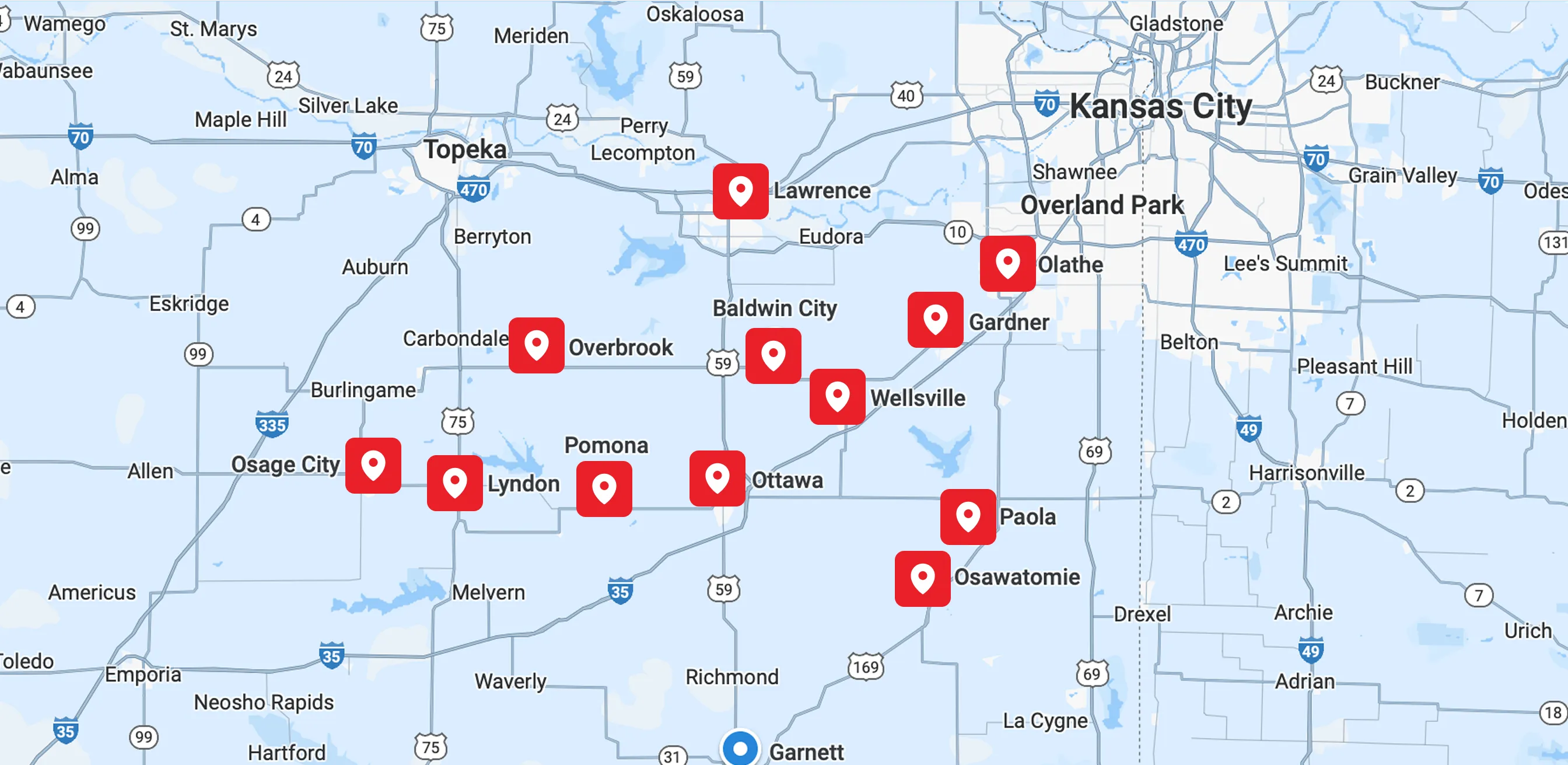
Service Areas