AC Installation in Osawatomie, KS
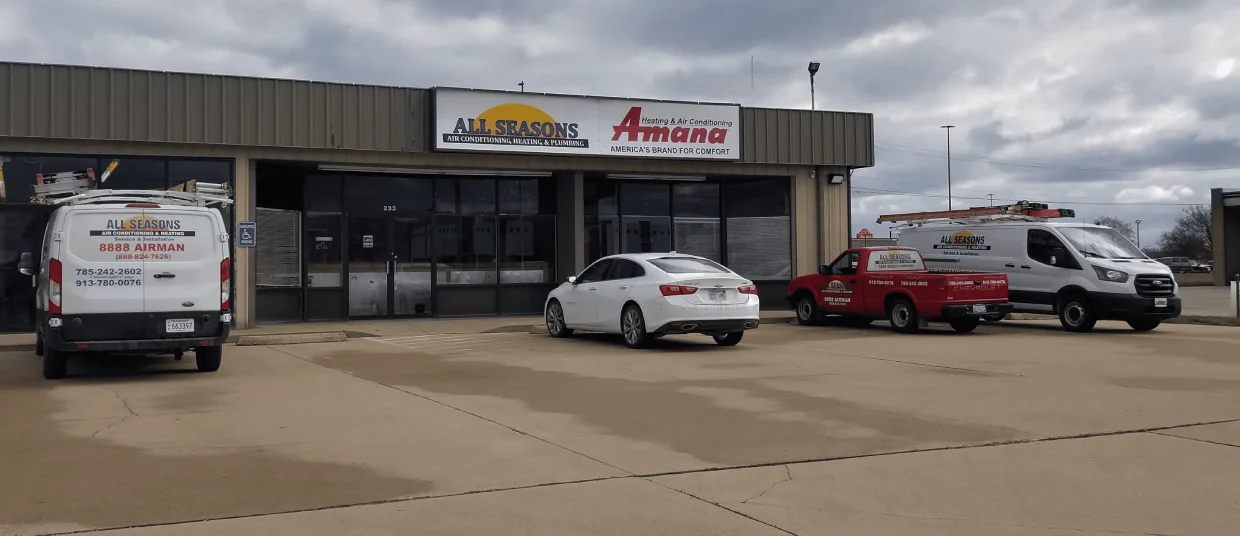
When you're looking for AC installation in Osawatomie, KS, you want a seamless and professional experience. At All Seasons Air Conditioning and Heating, we guide you through every step, from our initial consultation to making sure you're comfortable with your new system. We place a strong emphasis on precise Manual J load calculations, selecting the right equipment, and ensuring your ductwork is perfectly suited to guarantee lasting comfort, efficiency, and longevity. Our team meticulously handles every phase of the installation, including refrigerant charging, startup testing, and rigorous performance checks. We'll also clearly explain your warranties and why having qualified installers makes all the difference. Beyond installation, we also believe in the power of ongoing maintenance and homeowner education to maximize your system's life and keep operating costs low, ensuring you get the most out of your energy-efficient and reliable comfort system.
.jpeg)
AC Installation in Osawatomie, KS
Replacing or installing a new air conditioning system is one of the most important home investments for comfort and energy savings in Osawatomie, KS. Summers here can be hot and humid, and an undersized or poorly installed system will struggle to maintain comfort, raise monthly energy costs, and shorten equipment life. This page walks through the complete AC installation workflow you should expect for a reliable, efficient air conditioning installation in Osawatomie, KS — from the first consult and Manual J load calculation through startup checks, manufacturer warranties, and homeowner orientation.
Why a proper installation matters in Osawatomie
Osawatomie’s climate means high latent loads during summer months. That extra humidity increases the sensible and latent cooling demands on your system. Additionally, older Midwest homes often have leaky ductwork, limited attic insulation, or non-ideal equipment locations that affect performance. A correctly sized and professionally installed system delivers:
- More consistent indoor temperatures and humidity control
- Lower utility bills through correct sizing and efficient equipment
- Longer equipment life and fewer premature repairs
- Proper refrigerant charge and airflow for peak performance
Initial consultation and home assessment
A thorough installation begins with a detailed on-site consultation. Expect the technician to:
- Inspect the home layout, attic, ductwork, and insulation levels
- Note orientation, windows, shading, and typical occupancy patterns
- Record existing equipment details and service history
- Discuss comfort goals, indoor air quality preferences, and budget considerations
This step ensures a solution tailored to your Osawatomie home instead of a one-size-fits-all recommendation.
Manual J load calculations and system sizing
Proper sizing is nonnegotiable. Technicians perform a Manual J load calculation to determine your home’s actual heating and cooling requirements. This calculation accounts for:
- Home square footage and room-by-room layout
- Local climate data for Osawatomie
- Insulation levels, windows, and air leakage
- Occupancy and internal heat sources
Avoid oversized systems that short-cycle and undersized systems that run continuously. Correct sizing improves humidity control and efficiency year round.
Equipment selection: efficiency, features, and local fit
Once load requirements are known, equipment selection considers:
- SEER ratings and efficiency levels appropriate for your needs
- Proper matched outdoor condenser and indoor coil or air handler
- Ducted versus ductless options based on home layout
- Air filtration, dehumidification, and zoning needs
For Osawatomie homes, features that improve humidity control and variable-speed operation are often beneficial, especially on muggy summer days.
Professional installation steps
A professional installation follows an organized workflow to ensure reliability and safety:
- Pre-install preparation: verify permits, preparation of mounting pads and platform, and protection of living spaces.
- Duct and system modifications: repair or seal existing ducts, adjust returns and supply runs, and replace plenums or short sections as needed.
- Indoor unit installation: properly mount the coil or air handler, verify clearances, and connect condensate drainage.
- Outdoor unit placement: level and secure the condenser on a stable pad with proper clearance for airflow and service access.
- Refrigerant line and electrical work: install correctly sized refrigerant lines, vacuum the system, and run appropriate electrical and control wiring to code.
Each step is performed with equipment-specific procedures to protect the warranty and ensure optimal performance.
Refrigerant charging and system startup
Correct refrigerant charge and airflow are vital. During startup, technicians will:
- Evacuate and vacuum the refrigerant lines to remove moisture and air
- Charge the system according to manufacturer specifications and verified operating conditions
- Measure superheat or subcooling for proper charge
- Check electrical connections, safety controls, and condensate flow
These checks confirm the system operates under designed conditions rather than guesswork.
Final performance checks and diagnostics
Before handing over the system, expect a rigorous performance verification:
- Temperature split across evaporator and return air
- Supply airflow and static pressure measurements
- Voltage and amperage checks on motors and compressors
- Duct leakage, where applicable, and airflow balancing
- Thermostat calibration and communication checks for multi-stage systems
Technicians will document results so you have a record of factory-level performance at startup.
Installer qualifications and manufacturer warranties
Installer qualifications matter for both safety and warranty protection. Professional installations in Osawatomie should be completed by technicians who are:
- EPA refrigerant certified
- Trained in Manual J and correct installation practices
- Familiar with local codes and permit processes
Manufacturer warranties typically require professional installation and documentation. A correct install ensures parts and compressor warranties remain valid and can provide peace of mind against defects.
Homeowner orientation and what to expect after install
A thorough orientation helps you get the most from your new system. This includes:
- How to use thermostats and programmable or Wi Fi controls
- Recommended filter types and replacement intervals
- Expected performance patterns and normal startup sounds
- Seasonal maintenance needs and signposts of trouble to watch for
Knowing basic care and signs of issues reduces service calls and maintains efficiency.
Common installation issues to avoid in Osawatomie
Be aware of frequent problems that lead to poor performance:
- Oversized or undersized systems from rushed sizing
- Poor duct sealing and undersized returns causing low airflow
- Incorrect refrigerant charge or missing vacuum procedures
- Improper condensate drain slopes leading to backups
- Unmatched indoor and outdoor components reducing efficiency
A professional process eliminates these common pitfalls.
Ongoing maintenance and maximizing lifespan
After installation, keep the system running efficiently with routine care:
- Replace or clean filters regularly, typically every 1 to 3 months
- Schedule biannual Tune-Ups: one for cooling season and one for heating systems if combined
- Keep outdoor condenser free of debris and vegetation
- Seal and insulate attic penetrations and improve attic ventilation if needed
- Monitor energy bills and performance for sudden changes
Routine maintenance preserves warranty benefits and extends equipment life, especially in Osawatomie’s humid summers.
Customer Testimonials
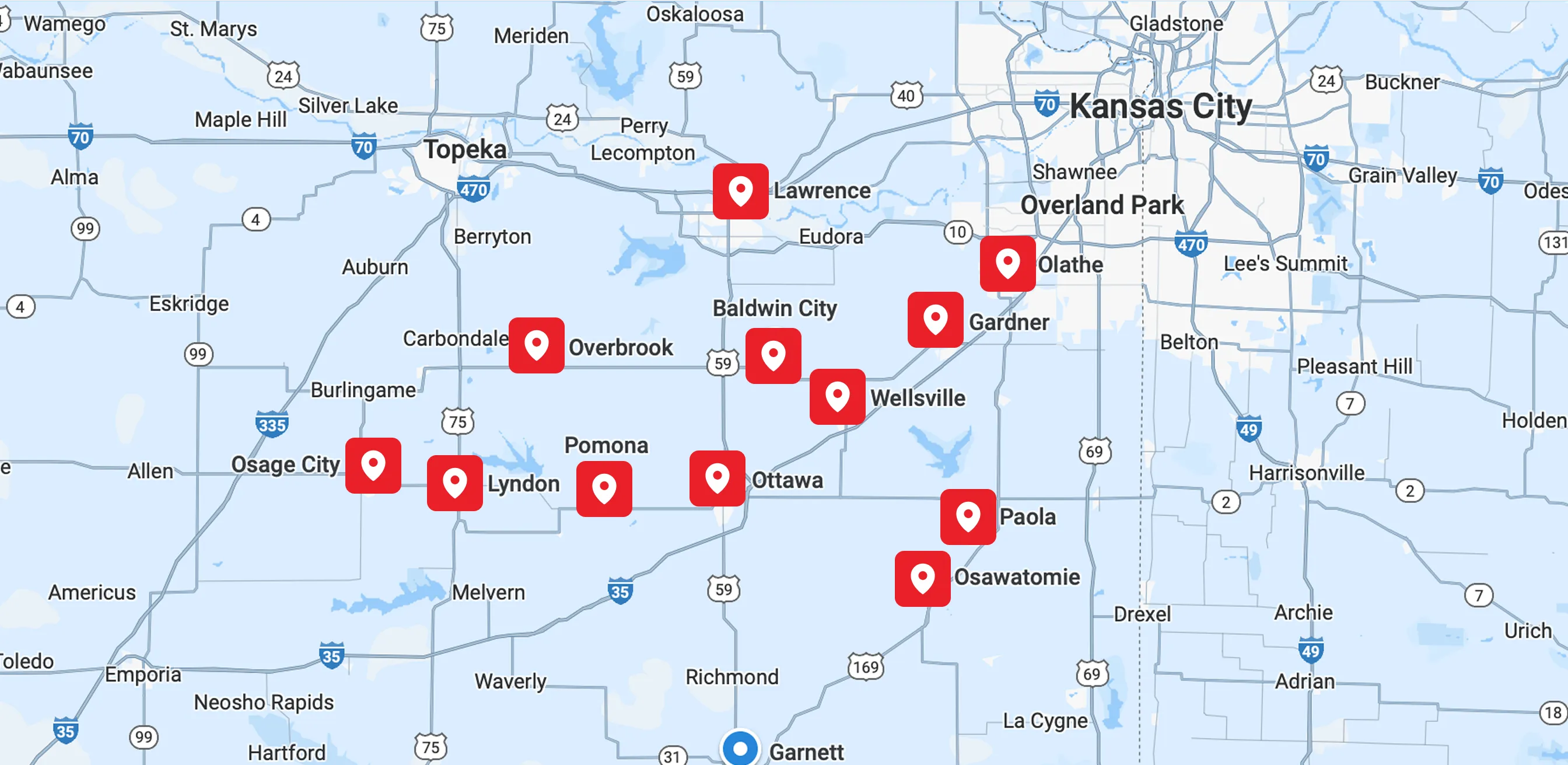
Service Areas