Heat Pump Installation in Eudora, KS
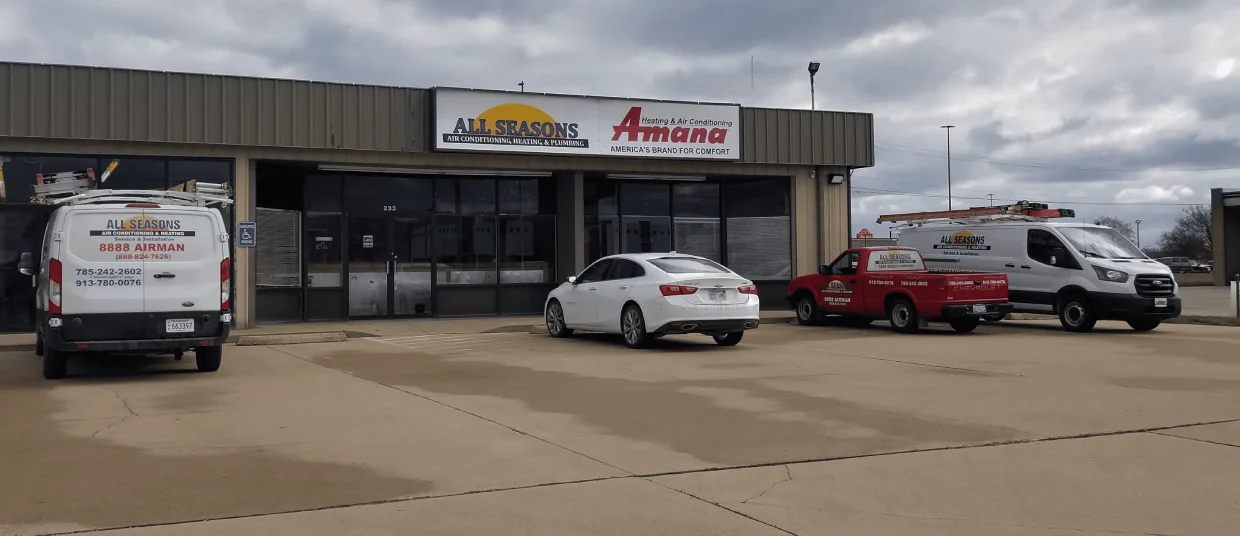
All Seasons Air Conditioning and Heating describes professional heat pump installation in Eudora, KS, covering planning, sizing, and choosing between air-source, cold-climate, and ductless mini-split options. We describe on-site evaluation, load calculations, duct design, and envelope considerations, plus electrical and refrigerant requirements, permitting, and code compliance. From site assessment to commissioning, homeowner orientation, and warranty registration, readers receive a clear, decision-ready roadmap to compare proposals, minimize disruptions, and ensure reliable comfort and energy efficiency for their Eudora home with practical tips for ongoing maintenance.
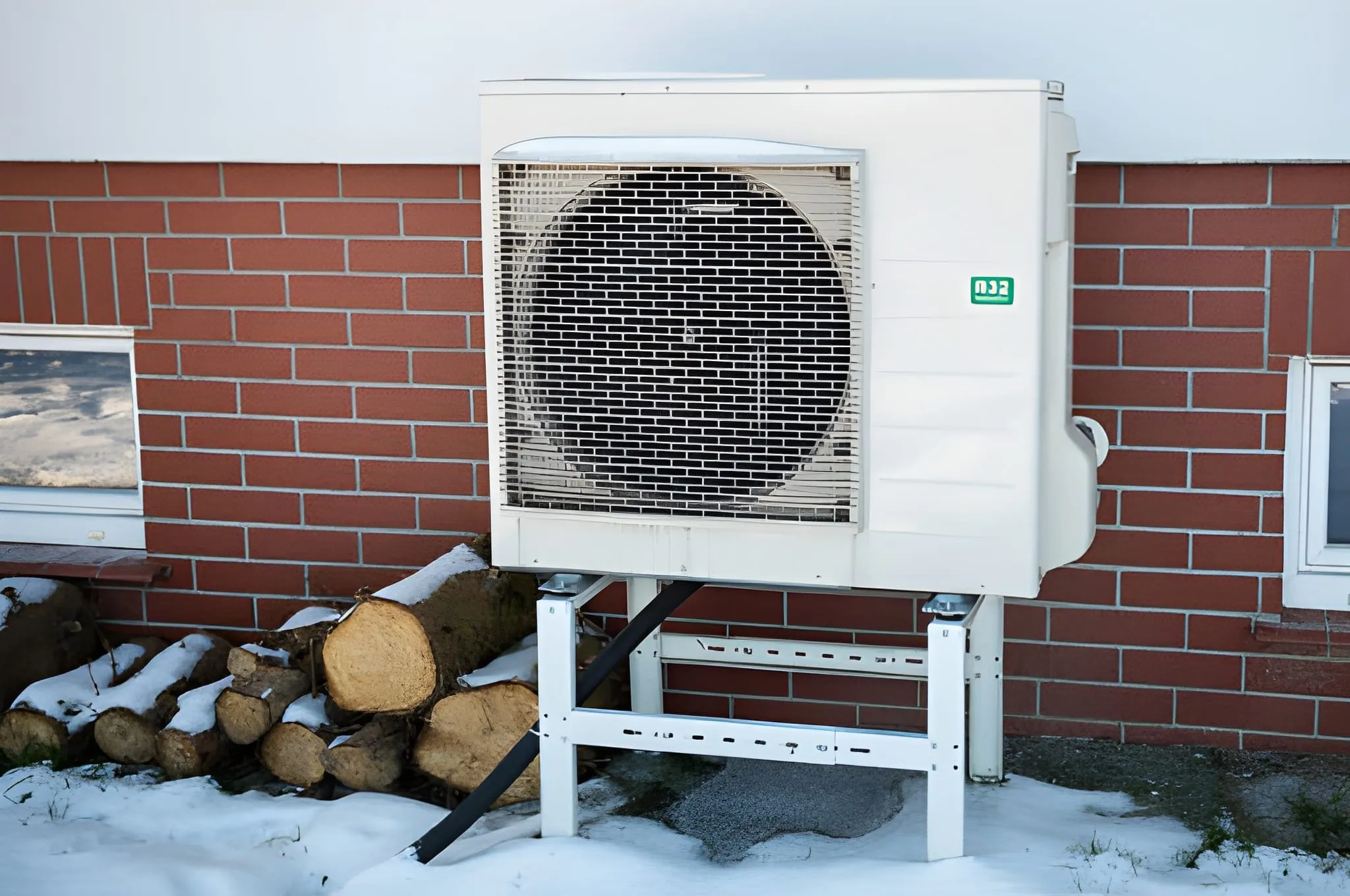
Heat Pump Installation in Eudora, KS
Switching to a modern heat pump can deliver year-round comfort, lower utility bills, and reliable performance for homes in Eudora, KS. This page explains how professional heat pump installation works here, what issues commonly drive replacements, and exactly what to expect from site evaluation through commissioning, homeowner orientation, and warranty registration. The goal is to give you clear, decision-stage information so you can compare proposals and choose the right system for your Eudora home.
Why a heat pump makes sense in Eudora, KS
Eudora experiences hot, humid summers and cold winters. A properly sized heat pump provides efficient cooling in summer and effective heating through most of the winter heating season. For many homes in this region, a heat pump reduces dependence on aging furnaces or window AC units and improves indoor humidity control during summer months. Older homes in Eudora also commonly have leaky ductwork or limited attic space, making ductless mini-splits an attractive retrofit option.
Common heat pump installation needs in Eudora
- Replacement of aging or inefficient systems
- Retrofitting homes without existing ductwork
- Upgrading undersized equipment after home additions or remodels
- Correcting airflow or humidity problems from poor duct design
- Electrical service upgrades to support modern systems
Site evaluation and system sizing
A reliable installation begins with an on-site assessment and professional load calculation.
- Load calculation (Manual J): This determines heating and cooling loads based on your home’s size, insulation, orientation, window area, and local climate. Accurate sizing prevents short cycling and poor humidity control.
- Duct design check (Manual D): If you have ducted systems, inspectors verify duct condition, layout, and sealing needs. Many Eudora homes show duct leakage or undersized runs that must be fixed for peak heat pump performance.
- Envelope and ventilation review: The evaluator notes insulation levels, air infiltration, and ventilation needs so the system can be matched to real conditions in your home.
System selection: air-source vs cold-climate vs mini-split
- Standard air-source heat pumps provide efficient heating and cooling for most of Eudora’s climate. Choose a model rated for the local temperature range.
- Cold-climate heat pumps maintain higher efficiency at lower outdoor temperatures and can be a better fit if winters are a primary concern.
- Ductless mini-splits are ideal for homes without ducts, room additions, or homes where targeted zoning improves comfort and efficiency.
Selection factors include capacity from the load calculation, SEER/HSPF efficiency ratings, noise levels, and indoor unit style. Installer recommendations should reference how the model performs in Kansas-like seasons.
Ductwork or mini-split considerations
- Ducted systems: Expect duct inspection, sealing of leaks, possible duct resizing, and adding insulation where needed. Proper static pressure and balanced airflow are vital to avoid cold or hot spots.
- Mini-splits: These require no ductwork and minimize disruption. Multiple indoor heads allow zoning. Installers evaluate wall or ceiling placement for optimal airflow and refrigerant line routing.
Electrical and refrigerant line installation
- Electrical upgrades: Modern heat pumps frequently require a dedicated circuit, proper breakers, and in some homes an electrical service upgrade. The outdoor unit needs a weatherproof disconnect and correct overcurrent protection.
- Refrigerant piping: Installers run insulated refrigerant lines and condensate drains. Proper line length, routing, and insulation avoid efficiency loss and freezing issues during Kansas winters.
- Pad and bracket installation: The outdoor unit is installed on a stable pad or bracket above grade to protect it during storms and ensure proper drainage.
Permitting and code compliance
Installations in Eudora must meet local building codes and state regulations. A professional installer handles:
- Securing necessary permits through City of Eudora or county offices
- Ensuring electrical and refrigerant work meets NEC and EPA requirements
- Proper refrigerant handling and disposal per federal and state rulesDocumented inspections and approved permits help future home resale and ensure safety and performance.
Commissioning and performance testing
A full commissioning ensures reliable operation and verifies manufacturer performance:
- Airflow measurement and balancing
- Refrigerant charge verification using superheat and subcooling, when accessible
- Static pressure and duct leakage testing if ducts were modified
- Thermostat calibration and correct staging checks
- Safety and defrost cycle verification for winter operationCommissioning provides documentation of the system’s baseline performance and helps avoid callbacks.
Homeowner orientation and warranty registration
After installation you should receive a walkthrough covering:
- How the system works and what to expect seasonally (defrost cycles in winter, run times, noise)
- Thermostat programming for comfort and efficiency
- Filter locations and recommended replacement intervals
- Outdoor unit care: clearance, winter considerations, and debris removalInstallers typically complete manufacturer warranty registration paperwork so your coverage begins on installation date. Keep the documentation and commissioning report for future reference.
Typical installation timeline and disruptions
- Initial site evaluation and quote: 1 visit
- Permit approval: timeline varies with local jurisdiction
- Installation day(s): Single-family retrofits often take 1 to 3 days depending on ductwork, electrical upgrades, and complexity; installs involving duct fabrication or significant electrical work can extend longer
- Commissioning and orientation: final day of installationInstallations produce moderate noise and require access to indoor mechanical spaces and the exterior wall for refrigerant line routing. Professional crews manage cleanup and restoration of disturbed areas.
Long-term benefits and maintenance tips
- Heat pumps offer efficient heating and cooling across Eudora’s seasons while simplifying home mechanical systems.
- Regular maintenance maximizes efficiency and service life: seasonal filter changes, annual tune-ups including refrigerant checks and coil cleaning, and ensuring outdoor unit clearance.
- Address duct leaks and insulation shortfalls early to capture full energy savings.
Customer Testimonials
Service Areas