Heat Pump Maintenance in Eudora, KS
Heat pump maintenance in Eudora, KS from All Seasons Air Conditioning and Heating describes a proactive, seasonal approach to preserving comfort and efficiency. We describe why regular tune-ups matter amid hot summers and cold winters, identify common local issues like dirty filters, icing, short cycling, and electrical faults, and detail a comprehensive seasonal checklist—from inspections and filter changes to coil cleaning, refrigerant checks, and performance testing. We also highlight the benefits of a maintenance plan, recommended schedules, typical repairs, and practical tips for homeowners.
Heat Pump Maintenance in Eudora, KS
Keeping a heat pump running reliably is essential for comfortable, efficient year-round heating and cooling in Eudora, KS. Regular heat pump maintenance prevents sudden breakdowns during extreme summer humidity or cold winter snaps, improves efficiency to lower energy bills, and extends equipment life. This page explains the routine preventive maintenance services homeowners in Eudora can expect, common local issues, the diagnostic steps used during tune-ups, recommended schedules, and the practical benefits of enrolling in a maintenance plan.
Why heat pump maintenance matters in Eudora, KS
Eudora experiences hot, humid summers and cold, sometimes wet winters. That seasonal range puts dual demand on heat pumps: cooling through warm months and heating when temperatures drop. Heavy pollen in spring and fall, summer humidity, and winter moisture can clog filters, corrode coils, and stress electrical components. Timely maintenance addresses these local stressors to preserve system performance and indoor comfort.
Common heat pump issues in Eudora, KS homes
- Reduced airflow caused by dirty filters, blocked return vents, or failing blower motors.
- Frosting or icing of the outdoor unit in winter from inadequate refrigerant charge or poor defrost cycles.
- Short cycling during extreme temperature swings, often linked to thermostat or refrigerant issues.
- Higher energy bills from dirty coils, worn bearings, or improper refrigerant levels.
- Electrical faults such as worn contactors, loose connections, or failed capacitors that risk breakdowns.
- Uneven heating or cooling due to airflow imbalances, duct leaks, or thermostat calibration drift.
What a seasonal tune-up includes
A seasonal tune-up is a systematic inspection and service procedure that targets the problems above. Key tasks typically included are:
- Visual inspection of indoor and outdoor units for corrosion, leaks, and physical damage.
- Filter replacement or cleaning to restore proper airflow and indoor air quality.
- Coil cleaning (evaporator and condenser) to improve heat transfer and efficiency.
- Refrigerant level check and leak detection to confirm correct charge and identify escaping refrigerant.
- Electrical inspection of wiring, contactors, relays, capacitors, and breakers to ensure safe operation.
- Motor and fan checks, lubrication where applicable, and confirmation of proper belt tension.
- Defrost cycle review and testing of reversing valve operation for heat pump mode changes.
- Airflow and duct diagnostics, including static pressure checks and visual duct inspection where accessible.
- Thermostat calibration and controls check to ensure accurate setpoints and schedule response.
- Performance testing: measured temperature differentials, amperage readings, and run-time behavior to verify system efficiency and detect faults.
Diagnostic approach and performance testing
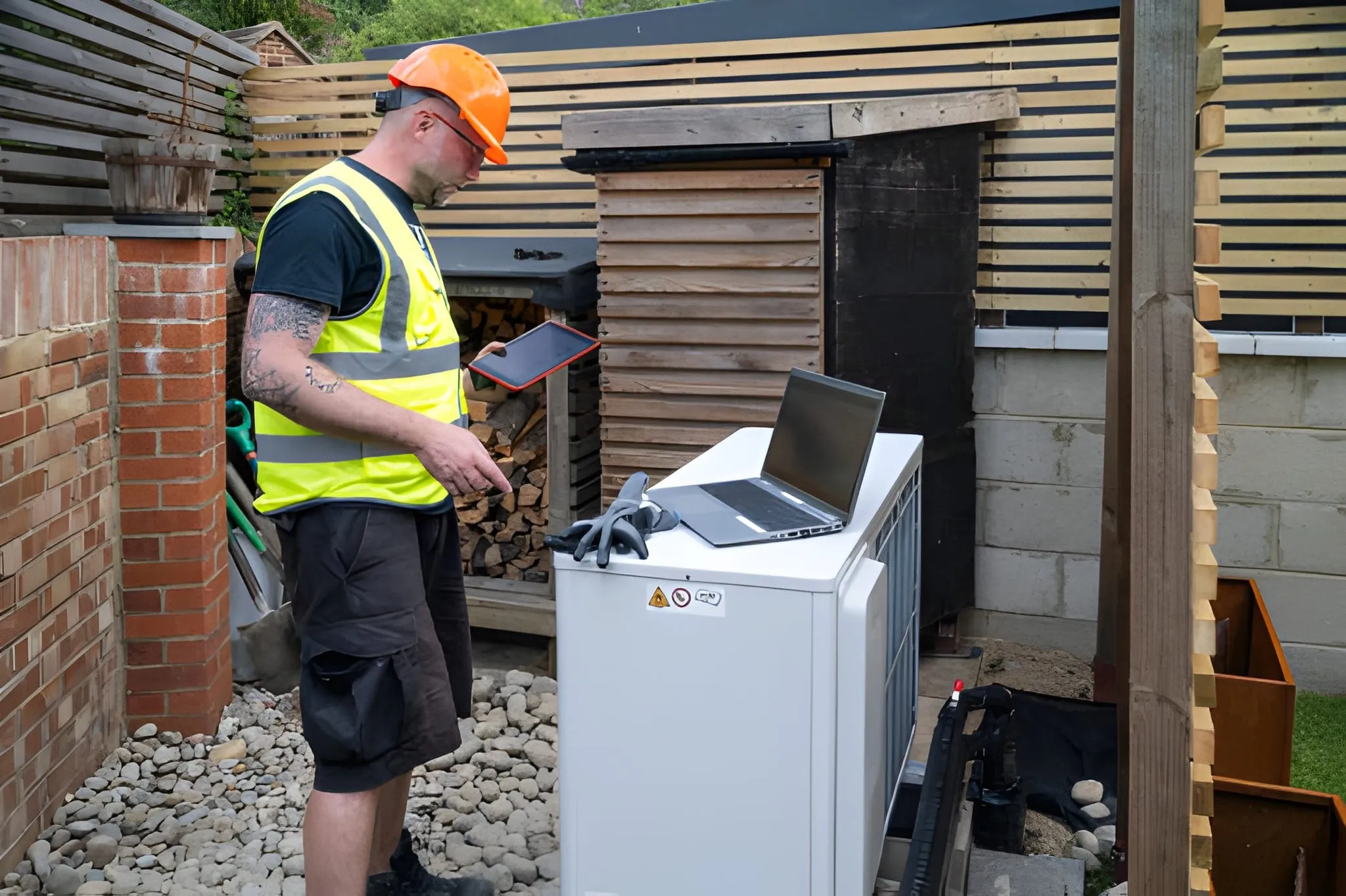
During maintenance, technicians combine visual checks with measurement tools to assess system health. Common diagnostic steps:
- Temperature split test: measuring supply and return air to ensure the heat pump is moving heat within expected ranges.
- Current draw testing: checking compressor and fan motor amps to detect excessive load or failing motors.
- Refrigerant pressure readings: comparing pressures to manufacturer guidelines for current outdoor temperature to validate charge levels.
- Defrost and cycle timing observations: confirming the unit transitions correctly between heating and defrost modes.
- Leak detection using electronic sniffers or UV dye when refrigerant loss is suspected.
These tests help prioritize repairs and identify issues early, often before they cause a breakdown.
Typical maintenance plan benefits (no pricing included)
Enrolling in a regular maintenance plan offers practical, ongoing advantages for Eudora homeowners:
- Predictable maintenance schedule aligned with seasonal needs to avoid missed tune-ups.
- Improved energy efficiency and lower monthly utility use through clean coils, correct refrigerant, and calibrated controls.
- Extended equipment life by reducing wear from dirty components, imbalanced airflow, or electrical stress.
- Reduced likelihood of emergency repairs during extreme weather periods.
- Documentation of service history, which supports warranty compliance and can add value when selling a home.
- Priority scheduling during peak seasons so maintenance and repairs are handled quickly.
Recommended maintenance schedule
- Spring tune-up: Focus on cooling readiness. Clean condenser coils, inspect outdoor unit, and ensure refrigerant and electrical systems are optimized for warm months.
- Fall tune-up: Prepare for heating season. Check defrost cycle, reversing valve, and heating performance. Change or clean filters before the heavy-use months.
- Filters: Inspect every 1 to 3 months. Replace or clean based on use, pets, and indoor air quality needs.
- Duct and airflow checks: At least once a year, or sooner if occupants notice uneven comfort or increased dust.
Common repairs discovered during maintenance and simple explanations
- Refrigerant leak repair and recharge: Seals the leak and restores the correct refrigerant level so the system can transfer heat efficiently.
- Capacitor or contactor replacement: Replaces failing electrical components that cause hard starts or intermittent operation.
- Fan motor or blower repair: Restores proper airflow when motors are noisy or fail to reach required speeds.
- Thermostat recalibration or replacement: Ensures accurate temperature control and prevents short cycling.
- Coil cleaning and minor metalwork: Removes build-up that reduces heat transfer and corrects minor corrosion before it becomes a major problem.
Customer Testimonials
Service Areas