
Heat Pump Installation in Rantoul, KS
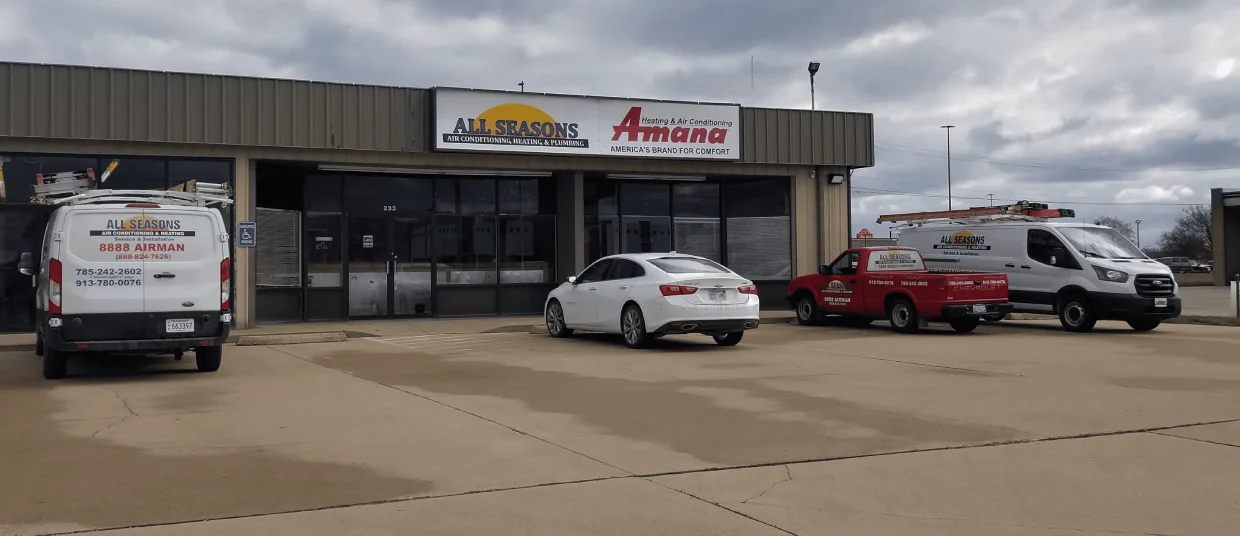
Heat pump installation in Rantoul, KS with All Seasons Air Conditioning and Heating covers the full journey from initial consultation and site assessment to equipment selection, permitting, professional installation, testing, and homeowner education. We explain why cold-climate, ducted, ductless, and hybrid options suit local homes, highlight common sizing and duct issues, and outline a clear install-day sequence, from pre-install prep to a post-installation walkthrough. We emphasize code compliance, proper charging and commissioning, warranties, and maintenance plans that maximize energy savings and long-term comfort.
Heat Pump Installation in Rantoul, KS
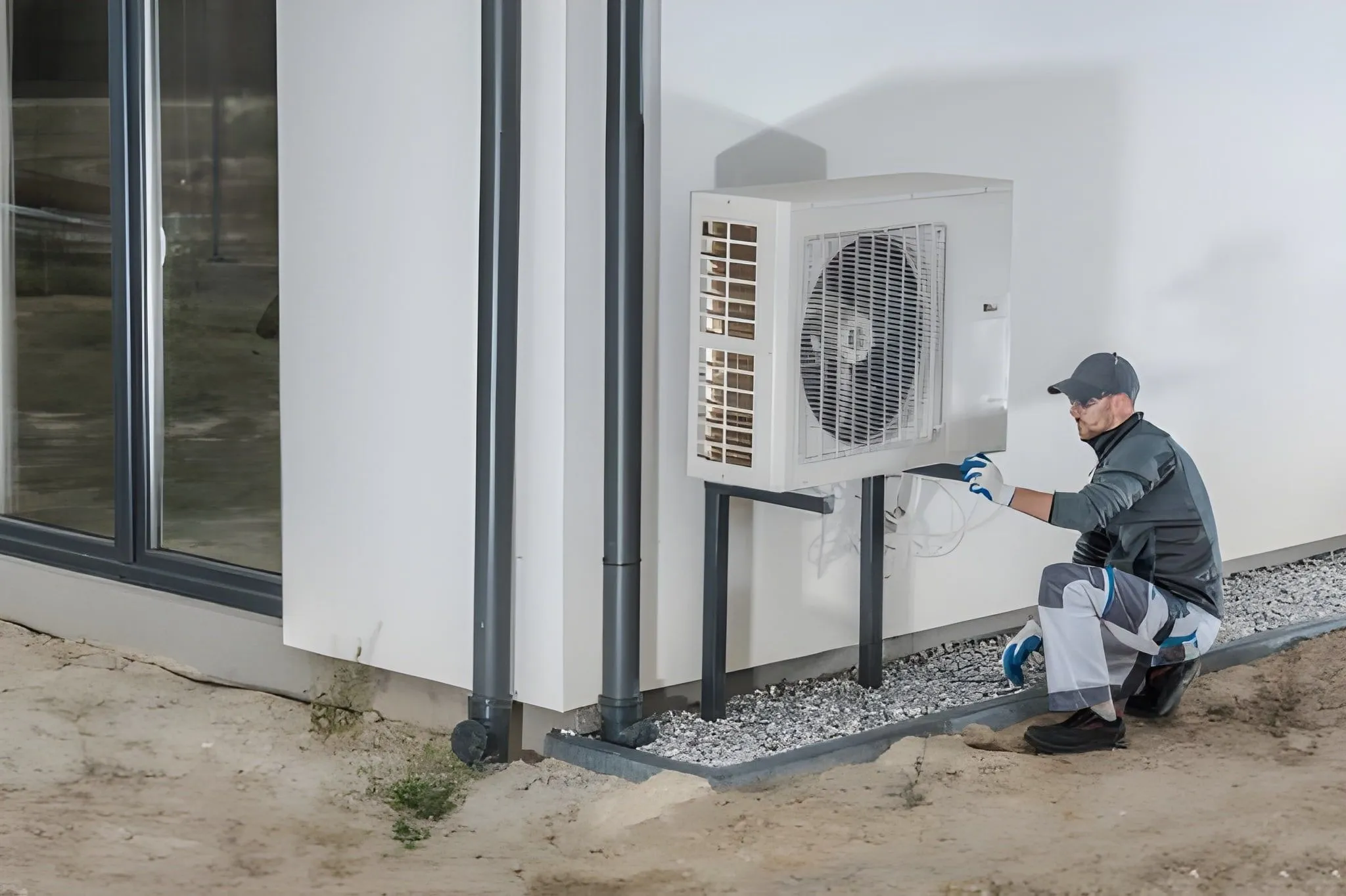
An efficient, properly sized heat pump can dramatically improve year-round comfort in Rantoul, KS while lowering energy costs compared with older electric resistance or inefficient furnace systems. This page explains the full heat pump installation process from initial consultation and site assessment through equipment selection, permitting and code compliance, professional installation, testing and commissioning, and homeowner education. It is written for homeowners in Rantoul who are ready to decide and want a clear, practical picture of what installation entails and what to expect on install day.
Why a heat pump is a smart choice for Rantoul homes
Rantoul experiences hot, humid summers and cold winters with wide temperature swings between seasons. Modern heat pumps provide efficient cooling in summer and reverse-cycle heating in winter, making one system viable year-round. Cold-climate heat pumps maintain performance at lower temperatures, which is important for local winters. Benefits specific to Rantoul homes include:
- Year-round heating and cooling with a single system
- Improved humidity control during hot months
- Potential for lower overall energy bills vs older heating systems
- Reduced onsite combustion and improved indoor air quality
Common heat pump options and typical issues in Rantoul
Homeowners choosing heat pump installation will consider several system types depending on home size, ductwork, and budget:
- Air-source heat pumps (ducted) - common replacement for central HVAC in homes with existing ductwork.
- Ductless mini-splits - ideal for additions, historic homes, or rooms without ducts.
- Cold-climate heat pumps - designed to perform better during below-freezing temperatures.
- Hybrid systems - heat pump paired with a gas furnace for very cold periods.
Common heat pump issues that lead owners to seek replacement or new installation:
- Aging furnaces or AC units with rising repair costs
- Inadequate cooling or heating due to improper sizing
- Uneven temperature distribution from leaky or undersized ducts
- High electric bills from inefficient equipment
Initial consultation and site assessment
A thorough site assessment is the foundation of a successful installation. The assessment includes:
- Review of your current heating and cooling equipment and maintenance history
- Manual J load calculation to determine accurate heating and cooling needs
- Duct inspection and testing for leakage, sizing, and insulation condition
- Electrical panel review for capacity, breaker size, and grounding
- Evaluation of outdoor unit placement for airflow, noise, and clearance
- Considerations for insulation levels, window performance, and attic ventilation that affect system sizing
The result is a recommended system size and type, plus a written scope that outlines required ductwork or electrical upgrades, and an estimated installation timeline.
Equipment selection and code compliance
Selecting the right unit balances capacity, efficiency ratings (SEER/HSPF), and features such as variable-speed compressors or smart thermostats. For Rantoul installations, consider:
- Units rated for cold-climate performance if you experience sustained subfreezing periods
- Matched indoor and outdoor components to ensure warranty coverage and optimal performance
- Proper refrigerant type and leak detection provisions per state and federal regulations
Permits and compliance: installations must meet Kansas and local building codes, including electrical and refrigerant handling regulations. Proper permitting ensures inspections are done and the installation is legal and safe.
Ductwork and electrical considerations
- Ductwork: Many homes require duct sealing, insulation, or resizing. For homes without ducts, wall-mounted or multi-zone mini-splits are a practical alternative. Proper ductwork ensures even comfort and system efficiency.
- Electrical: Heat pumps often require dedicated circuits and may need service panel upgrades. Grounding, disconnects, and surge protection are addressed during planning.
Professional installation process
A typical professional installation follows a clear sequence:
Install teams work to minimize disruption and protect floors and landscaping during the process.
Testing, commissioning, and post-installation walkthrough
Testing and commissioning confirm the system performs to the design intent. Typical checks include:
- Refrigerant pressure and proper charge
- Airflow and static pressure measurements
- Electrical amp draw and voltage checks
- Thermostat calibration and control sequence verification
- Safety device function and condensate drainage checks
After tests, technicians provide a post-installation walkthrough covering system operation, thermostat programming, filter locations and replacement intervals, and how to interpret basic alerts or fault codes. This walkthrough ensures homeowners understand normal sounds, expected performance, and simple troubleshooting steps.
What to expect on install day and typical timelines
Install day expectations are important for planning. Typical timelines:
- Single indoor and outdoor unit replacement in an existing forced-air system: 1 day
- Ductwork upgrades or moderate electrical work: 1 to 2 days
- Multi-zone mini-split or larger projects with permitting and electrical upgrades: 2 to 4 days
On install day expect a professional crew, use of drop cloths, clear communication about disruptions, and completion of major work before final testing. Technicians will leave documentation including equipment model numbers, refrigerant charge values, and any permit inspection tags.
Warranties and maintenance plans
Heat pump warranties usually include limited parts and compressor coverage; full system warranties require proper installation and registration. Typical warranty and maintenance considerations:
- Manufacturer parts and compressor warranty durations vary by model
- Labor warranties for installation work should be documented
- Routine maintenance increases longevity: biannual inspections (spring and fall) are recommended
- Maintenance plan elements: filter changes, coil cleaning, refrigerant level checks, electrical safety checks, and performance testing
A maintenance plan helps preserve efficiency, detect small issues before they become major repairs, and maintain warranty eligibility.
Customer Testimonials
Service Areas