Heat Pump Maintenance in Rantoul, KS
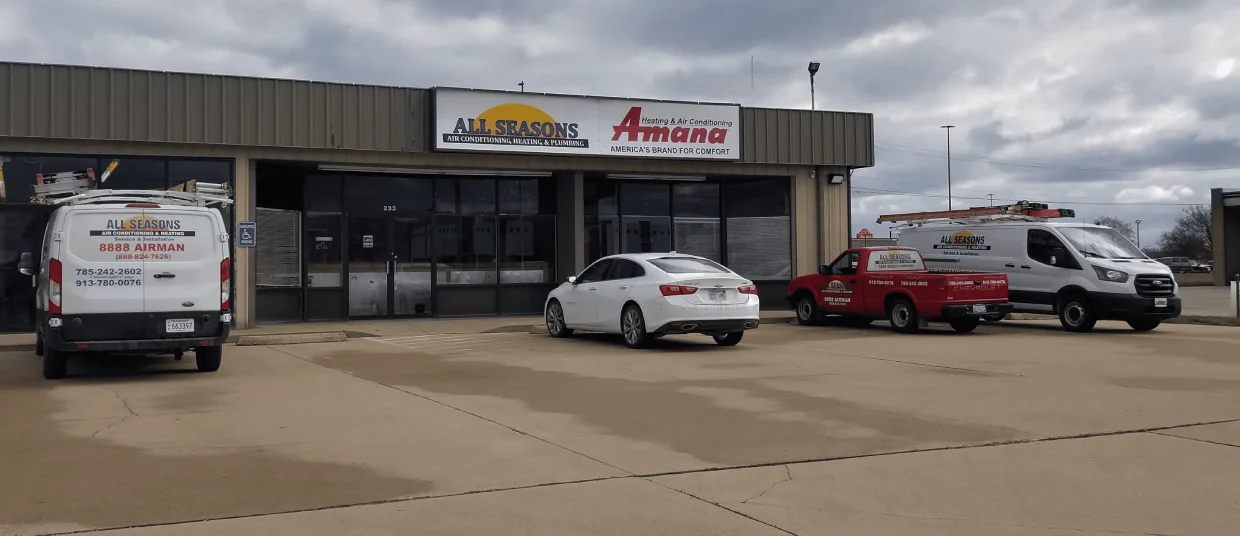
Heat pump maintenance in Rantoul, KS is crucial for seasonal service, and All Seasons Air Conditioning and Heating highlights why it matters, outlines routine inspection steps, and explains how regular visits prevent breakdowns and extend equipment life. We cover common local issues, from dirty filters and iced coils to refrigerant leaks and electrical wear, and detail what technicians check during a typical maintenance visit, including safety testing, thermostat calibration, and airflow measurements. We also discuss recommended maintenance frequency and the value of service agreements for predictable care.
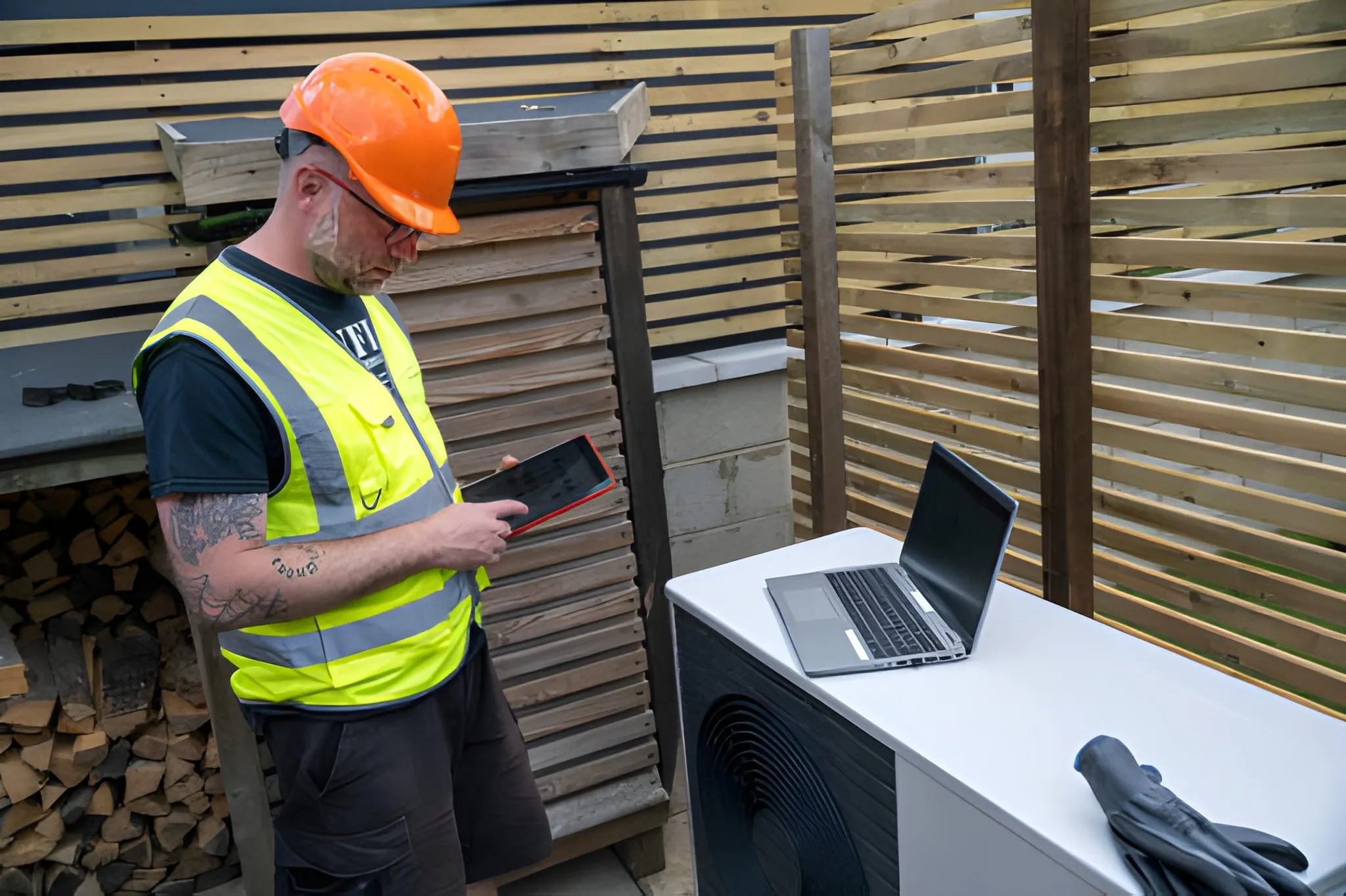
Heat Pump Maintenance in Rantoul, KS
Routine heat pump maintenance is essential for reliable year-round comfort in Rantoul, KS. With hot, humid summers, cold winters, and seasonal pollen and dust from surrounding farmland, heat pumps here face a wide range of stresses. Regular maintenance keeps your system running efficiently, prevents inconvenient breakdowns, and helps extend equipment life. This page explains common issues in Rantoul homes, what a thorough maintenance visit includes, recommended schedules, and how service agreements or membership plans deliver predictable care.
Why maintenance matters for Rantoul homes
Rantoul's climate places unique demands on heat pumps. High summer humidity and summer storms increase run time and corrosion risk for outdoor units. Cold winter temperatures and freeze-thaw cycles can lead to iced coils and heavier defrost cycles. Agricultural activity and seasonal pollen mean filters and coils clog faster, reducing airflow and efficiency. Regular maintenance addresses these local factors before they cause performance loss or system failure.
Common heat pump problems in Rantoul, KS
- Dirty filters and clogged coils causing reduced airflow and longer run times
- Low refrigerant or refrigerant leaks leading to poor heating or cooling performance
- Frozen outdoor coils or excessive defrost cycles during winter months
- Electrical wear: capacitors, contactors, and wiring issues causing unreliable starts or shutdowns
- Thermostat drift or poor calibration creating uneven temperatures or short cycling
- Outdoor fan or compressor wear from debris, moisture, or storm damage
- Duct leaks or insulation gaps that increase energy use and reduce comfort
What a routine maintenance visit includes
A comprehensive seasonal inspection focuses on safety, efficiency, and reliability. Typical tasks performed during a heat pump maintenance visit include:
- Visual system inspection: check outdoor and indoor units for physical damage, debris, and proper clearances
- Filter check and service: inspect, clean, or recommend replacement; discuss appropriate filter MERV for indoor air quality
- Coil cleaning: remove dirt, pollen, and residue from evaporator and condenser coils to restore heat transfer
- Refrigerant and pressure checks: measure refrigerant pressures and look for signs of leaks; verify charge and adjust if needed
- Electrical and safety testing: test capacitors, contactors, wiring, and safety controls for wear and secure connections
- Compressor and motor inspection: listen for unusual noises, check amp draws, and lubricate moving parts when applicable
- Thermostat calibration: verify temperature sensor accuracy and controls, reprogram or adjust settings for efficient operation
- Defrost cycle and reversing valve test: ensure reliable heating operation in cold weather
- Airflow and static pressure checks: measure airflow across coils and recommend duct repairs or cleaning if restricted
- Condensate drain inspection: clear drains and check for signs of mold or backups that can cause indoor moisture issues
- Performance testing: measure temperature split and overall system function to confirm proper operation
Diagnostic approach and common solutions
When technicians find issues during inspection, typical corrective actions include:
- Cleaning or replacing air filters and coils to restore airflow and efficiency
- Locating and repairing refrigerant leaks, then performing a correct refrigerant recharge and pressure balancing
- Repairing or replacing worn electrical components such as capacitors, contactors, and relays
- Calibrating thermostats, updating schedules, or recommending smart thermostat settings to reduce runtime
- Repairing or replacing damaged fan motors, belts, or compressor components
- Sealing duct leaks and recommending insulation improvements to reduce heat loss and improve comfort
- Adjusting defrost settings or servicing the reversing valve to prevent excessive icing in winter
All diagnostics should be documented so homeowners understand the issue, the recommended fix, and the expected benefits.
Recommended maintenance frequency
- Biannual inspections: spring (pre-cooling season) and fall (pre-heating season) are recommended to prepare the system for peak demand.
- Filter checks: inspect monthly; replace or clean every 1 to 3 months depending on filter type, household pets, and pollen levels.
- Refrigerant and detailed electrical checks: at least once per year, or when performance issues are observed.
- Duct and indoor air quality checks: annually, or more often if occupants notice dust, odors, or uneven temperatures.
Biannual visits catch seasonal issues—removing pollen and dust buildup before summer and checking defrost and heating readiness before winter.
Benefits of regular heat pump maintenance
- Improved efficiency and lower energy use due to clean coils, correct refrigerant charge, and optimized controls
- Greater reliability and fewer emergency repairs during heat waves or cold snaps
- Extended equipment life through preventive replacement of worn parts and reduced compressor strain
- More consistent home comfort with balanced airflow and accurate thermostat performance
- Documentation of system condition and repair history, which is useful for warranty claims and home resale
Service agreements and membership plan details
Structured maintenance plans add predictability and priority service for homeowners in Rantoul, KS. Common elements included in effective membership plans:
- Scheduled biannual inspections aligned with spring and fall seasons
- Priority scheduling during high-demand periods such as heat waves or cold spells
- Regular reminders and documented service reports after each visit
- Discounted labor or parts for repairs discovered during inspections
- Inclusion of common tasks like filter checks, coil cleaning, refrigerant pressure checks, and thermostat calibration
- Annual performance report summarizing system condition and recommended future work
These plans reduce the chance of overlooked maintenance, help spread the cost of upkeep, and ensure timely attention when weather extremes increase demand.
Practical homeowner tips for Rantoul winters and summers
- Keep outdoor unit clear of leaves, grass, and debris, especially after storms or during fall leaf drop.
- Replace or clean filters more frequently during spring pollen season and late summer when dust is high.
- Check that outdoor unit is level and supported to avoid drainage and compressor issues.
- Maintain proper clearance around the outdoor unit to allow airflow and reduce strain.
- Note unusual noises, short cycling, or weak airflow and have them checked rather than waiting for a total failure.
Regular homeowner attention plus professional maintenance helps protect your investment and keeps your home comfortable year round.
Customer Testimonials
Service Areas