
Heat Pump Installation in Richmond, KS
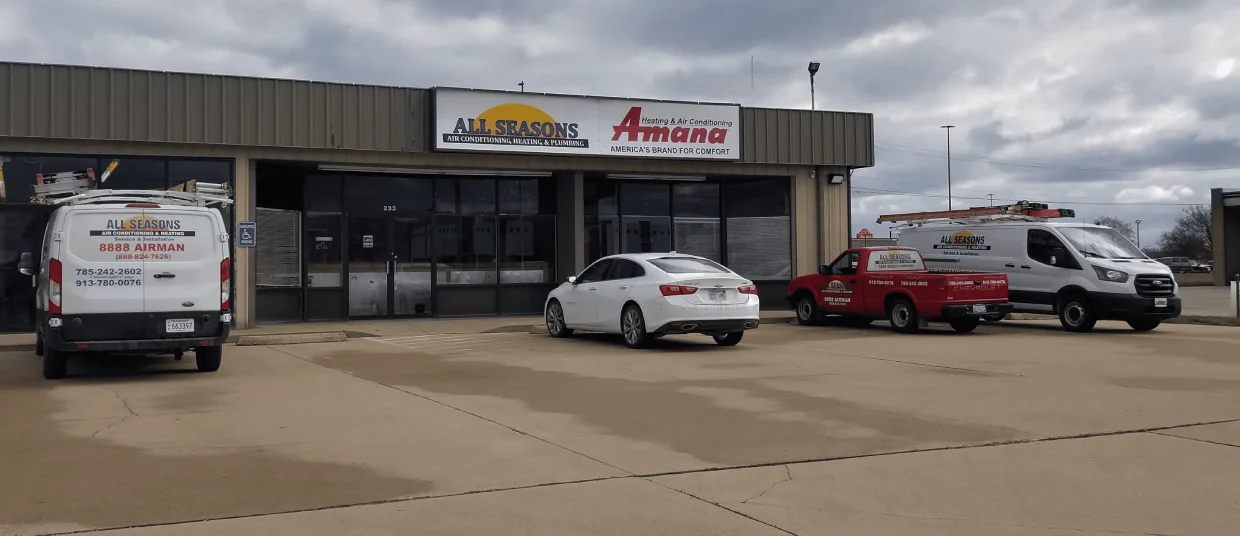
All Seasons Air Conditioning and Heating offers a complete heat pump installation for Richmond, KS homes, from initial site assessment and Manual J calculations to unit sizing, ductwork decisions, and permitting. We cover step-by-step installation, indoor and outdoor equipment placement, refrigerant and electrical connections, commissioning, and system testing. Homeowners receive an orientation on operation, maintenance, and warranty documentation, ensuring efficient performance. We emphasize proper sizing, air sealing, and professional commissioning to deliver year-round comfort, energy savings, and reliable operation in this climate.
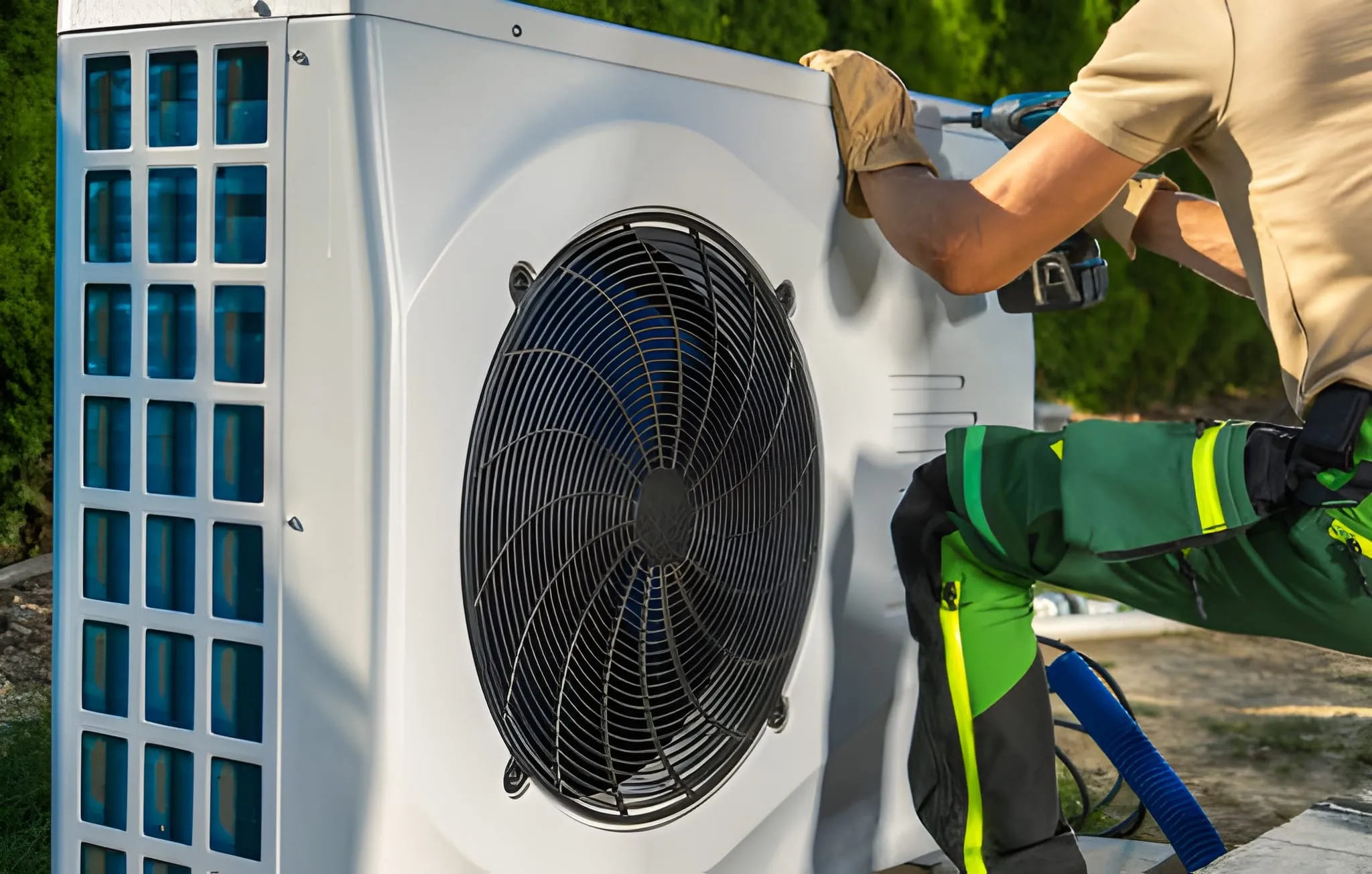
Heat Pump Installation in Richmond, KS
Installing a modern heat pump is one of the most effective ways to lower energy bills and improve year-round comfort in Richmond, KS homes. With hot, humid summers and cold winter snaps, homeowners need a system that both heats efficiently in freezing weather and cools effectively in summer. This page walks through the complete heat pump installation process for Richmond properties: site assessment, load calculations and unit sizing, ductwork evaluation or ductless mini-split options, permitting and code compliance, step-by-step installation and commissioning, system testing and owner orientation, recommended maintenance after installation, and realistic energy savings you can expect.
Why a properly installed heat pump matters in Richmond, KS
Poorly sized or improperly installed heat pumps underperform. In Richmond, local temperature swings and seasonal humidity make correct sizing and airflow critical. A correctly installed system reduces short cycling, lowers humidity-related comfort problems in summer, and maintains efficient operation during subfreezing winter periods. Proper installation also prevents premature component failure and preserves manufacturer warranties.
Common heat pump installation types and issues in Richmond, KS
- Ducted central heat pump systems for homes with existing ductwork. Common issues: undersized ducts, poor insulation, and leaky returns that reduce efficiency.
- Ductless mini-splits for homes without ducts or for room additions. Common issues: undersized indoor units for the space or improper line set routing.
- Hybrid systems pairing a heat pump with a gas furnace for extreme cold backup. Common issues: improper controls integration and ineffective staging.
- Retrofits where an old forced-air system is replaced by a heat pump. Common issues: mismatched airflow and poor refrigerant line routing.
Site assessment, load calculations, and unit sizing
A professional installation begins with a thorough site assessment. Key steps include:
- Inspecting the home orientation, insulation levels, windows, and air infiltration points that affect heating and cooling load.
- Performing Manual J load calculations to determine accurate heating and cooling requirements based on Richmond climate patterns, square footage, ceiling heights, and occupancy.
- Selecting a unit with the correct heating capacity (BTU/h) and SEER/HSPF ratings for local needs. Oversized units short cycle and reduce dehumidification; undersized units struggle during peak summer or winter conditions.
- Reviewing electrical service and panel capacity to ensure it meets the new heat pump’s requirements.
Ductwork evaluation or ductless mini-split options
Deciding between ducted and ductless solutions depends on home layout and budget.
- Ductwork evaluation covers leak testing, measuring static pressure, verifying airflow, and identifying necessary repairs or modifications. Typical upgrades in older Richmond homes include sealing return ducts, adding insulation to unconditioned spaces, and resizing portions of the system to balance airflow.
- Ductless mini-splits are ideal for homes without existing ducts, for finishing basements, or for adding comfort to rooms with high heat gain. Installation considerations include indoor unit placement for optimal airflow and line set routing that minimizes visual impact while keeping refrigerant runs within recommended lengths.
Permitting and local code compliance
Heat pump installations in Richmond, KS must follow local building codes and permitting procedures. A proper installation includes:
- Obtaining required permits before work begins and scheduling inspections when necessary.
- Ensuring equipment selection and refrigerant handling meet federal, state, and local regulations.
- Following electrical code requirements for disconnects, circuit sizing, and grounding.
- Installing systems to meet ventilation and combustion safety rules when a fossil fuel backup remains in place.
Step-by-step installation and commissioning procedures
A typical installation workflow covers these stages:
System testing and owner orientation
Before the project concludes, the system must be tested and homeowners oriented:
- Performance testing includes checking superheat and subcooling, measuring supply and return temperatures, and verifying steady-state operation under both heating and cooling modes.
- Diagnostic checks for refrigerant leaks, electrical integrity, and airflow balance.
- Owner orientation covers thermostat programming, filter locations and replacement frequency, basic troubleshooting steps, and seasonal operation tips relevant to Richmond weather. Provide clear documentation for warranty and maintenance schedules.
Recommended maintenance after installation
Regular maintenance preserves efficiency and longevity:
- Replace or clean filters every 1 to 3 months depending on use and indoor air quality.
- Schedule professional tune-ups at least once a year, ideally in spring for cooling and fall for heating inspection. A seasonal tune-up should include refrigerant checks, coil cleaning, electrical tests, and airflow measurements.
- Keep outdoor units clear of debris, vegetation, and snow during winter months. Protect outdoor components from heavy ice or drifting snow common during Kansas winter storms.
- Inspect condensate drains annually to prevent clogs and moisture damage.
Projected energy savings and performance expectations
Modern heat pumps deliver significant efficiency improvements over older electric resistance heating and many older fossil fuel systems. Typical benefits for Richmond homes include:
- Lower annual heating costs compared to electric baseboard systems, especially in moderate winter periods.
- High-efficiency cooling that can reduce summer energy use compared to older central AC units.
- Variable-speed compressor models provide better humidity control and more consistent temperatures, improving comfort during hot, humid Kansas summers.
- When properly sized and installed, homeowners can expect measurable energy savings that grow over the life of the system as older equipment is retired and envelope improvements are made.
Customer Testimonials
Service Areas