Heat Pump Repair in Richmond, KS
Heat pump repair in Richmond, KS with All Seasons Air Conditioning and Heating covers diagnosis, common failure modes, and practical steps to restore reliable heating and cooling. We describe on-site diagnostic techniques, typical repair timelines, and parts considerations, with emphasis on accurate root-cause analysis to avoid unnecessary replacements. We also outline warranty details, emergency repair availability, and decision criteria for repair versus replacement. Homeowners receive practical prevention tips to reduce future breakdowns and keep systems operating efficiently through Richmond's seasonal climate.
.webp)
Heat Pump Repair in Richmond, KS
When a heat pump fails, Richmond, KS homeowners face real discomfort: freezing nights in winter and hot, humid days in summer. Heat pump repair in Richmond, KS focuses on returning reliable heating and cooling quickly while protecting your system from recurring problems. This page explains common heat pump issues seen in the Richmond area, how on-site diagnostics work, typical repair processes and timelines, warranty and parts considerations, emergency repair availability, and practical steps to reduce future breakdowns.
Why heat pumps fail in Richmond, KS homes
Richmond experiences wide seasonal swings — cold winters that demand efficient heating and hot, humid summers that increase cooling load. Local factors that increase stress on heat pumps include:
- Frequent seasonal cycling between heating and cooling
- High humidity and pollen in summer stressing outdoor coils
- Occasional freezing and ice buildup in winter that complicates defrost cycles
- Older homes or long duct runs reducing system efficiency and increasing wear
Understanding these local pressures helps prioritize diagnostics and long-term solutions to keep a system dependable year-round.
Common heat pump problems we diagnose
The most frequent issues Richmond homeowners report are:
- No heating or cooling: unit runs but no temperature change, or no operation at all
- Short-cycling: equipment turns on and off too frequently, shortening component life
- Refrigerant leaks: reduced capacity, ice on evaporator or outdoor coil, higher energy use
- Compressor failures: noisy start-up, high current draw, or complete compressor lock-up
- Fan or motor failures: inadequate airflow, unusual noises, outdoor unit not spinning
- Thermostat and control issues: improper setpoints, communication faults, stuck reversing valves
Each failure mode has different causes and repair paths. Proper on-site diagnosis avoids unnecessary parts replacement and identifies root causes reliably.
On-site diagnostic process (what to expect)
A thorough diagnostic on your Richmond property typically includes:
- Visual inspection of the outdoor and indoor units for debris, ice, and physical damage
- Verification of thermostat settings and control signals
- Electrical checks: voltage, current draw, capacitor condition, contactor operation
- Airflow assessment: filter condition, blower motor function, duct restrictions
- Refrigerant analysis: pressure readings and leak detection when needed
- Motor and compressor testing: amp draw and performance checks
- Defrost cycle and reversing valve checks in colder weather to confirm proper heating operation
Diagnostics are performed with the aim of identifying the specific failing components and any contributing issues (like dirty coils or improper airflow). In Richmond, field checks often include looking for outdoor coil corrosion from de-icing salts or vegetation contact after spring growth.
Typical repairs, parts replacement and labor
Common repairs for Richmond heat pumps include:
- Refrigerant leak repair and recharge (using approved refrigerant for the system)
- Replacing capacitors, contactors, relays, or thermostats
- Replacing or rebuilding fan motors and blower assemblies
- Replacing reversing valves or expansion devices when heating performance is compromised
- Compressor replacement or system evaluation if the compressor is seized or inefficient
- Control board replacement for electronic failures
Parts selection: OEM (original) parts are recommended for compatibility and warranty continuity, while high-quality aftermarket components are an option in some cases. Labor includes system isolation, safe handling of refrigerant per regulations, component installation, system evacuation and recharge, leak testing, and performance verification.
Estimated repair timelines
- Basic diagnostics: typically completed within one service visit (about 30–90 minutes)
- Minor component replacements (capacitors, contactors, thermostats): often completed the same day
- Fan motor or reversing valve replacements: may require several hours and sometimes follow-up testing
- Compressor replacements or major refrigerant work: are more involved and can require half to a full workday; in some cases, scheduling and parts lead time may extend the timeline
- Situations where system replacement is recommended (widespread corrosion, multiple major failures, or obsolete refrigerant) will involve a separate evaluation and planning timeline
Timelines vary by unit age, accessibility of components, parts availability, and whether the repair requires special permits or refrigerant reclamation.
Warranty and parts information
- Manufacturer warranties vary by component and model; many compressors and coils have multi-year limited warranties while other parts have shorter coverage
- Aftermarket parts often come with their own limited warranty; check terms for labor coverage
- Reinstalling OEM parts and documenting repairs helps preserve any remaining manufacturer warranty
- Keep system records, original purchase documents, and service receipts — these are essential for warranty claims
- For older systems using phased-out refrigerants, warranty and parts availability may be limited, and repair versus replacement should be evaluated
Emergency repair availability
Heat pumps can fail at critical times — sub-freezing nights or sweltering summer afternoons. Emergency repair support is available for urgent failures that pose comfort or safety risks, including complete loss of heat during freezing temperatures or major component failures that leave a home without cooling when humidity is high. Emergency responses prioritize safety, temporary mitigation (like auxiliary heat or fan operation), and stabilization until full repairs can be completed.
When repair vs replacement is the better option
Repair is often the right choice when a specific component has failed and the rest of the system is in good condition. Replacement may be more cost-effective when:
- The system is near the end of its expected lifespan
- Multiple major components are failing or corroded
- The unit uses an obsolete refrigerant with limited serviceability
- Energy efficiency goals or frequent breakdowns justify a modern, higher-efficiency system
A clear diagnostic report will outline the condition, recommended repairs, and considerations for replacement so homeowners in Richmond can make an informed decision.
Practical tips to prevent future failures
Regular maintenance dramatically reduces breakdown risk. Practical steps for Richmond homeowners:
- Schedule professional tune-ups before winter and before cooling season to check refrigerant, electricals, and defrost operation
- Replace or clean filters monthly during heavy use seasons
- Keep at least two feet of clearance around the outdoor unit; remove leaves, grass clippings and snow/ice build-up
- Ensure ducts are sealed and insulated, especially in older Richmond homes with long runs
- Use a programmable or smart thermostat to prevent short-cycling and reduce wear
- Address unusual noises, reduced airflow, or performance loss early — small issues often become major failures if deferred
- Register new equipment with the manufacturer to maintain warranty protection
Customer Testimonials
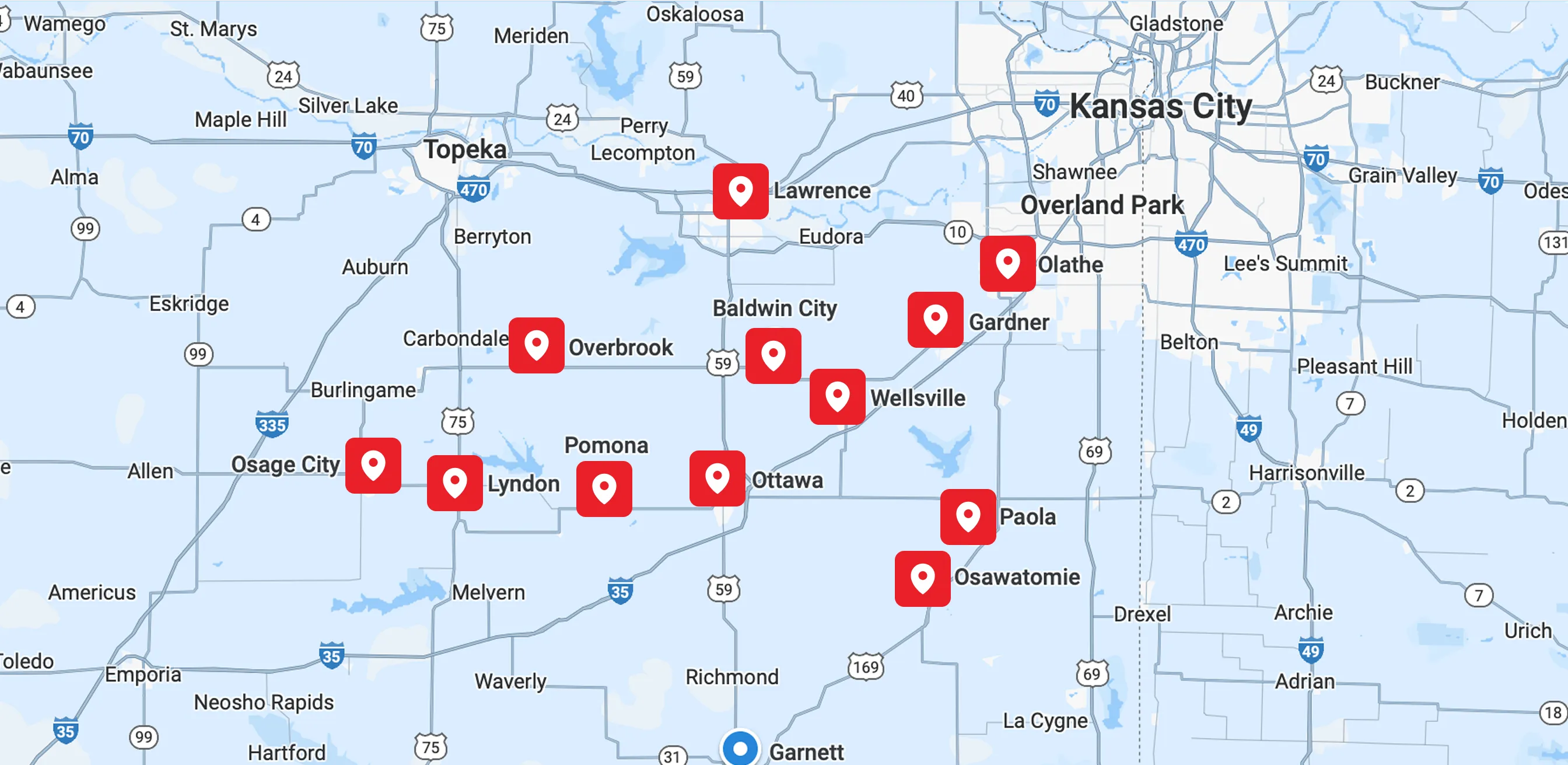
Service Areas