Heat Pump Repair in Paola, KS
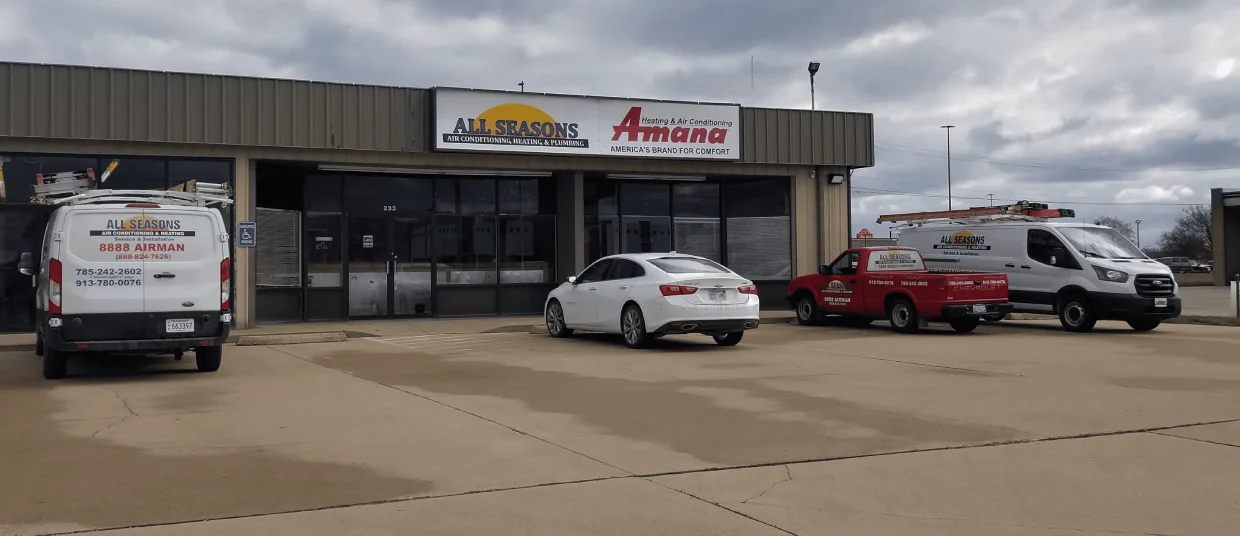
Paola, KS residents seeking heat pump repair will find a comprehensive, expert service from All Seasons Air Conditioning and Heating that prioritizes accurate diagnosis and durable fixes. We describe common failure modes, from heat loss and short-cycling to refrigerant leaks, plus a structured on-site diagnostic approach and transparent repair options. Our technicians emphasize safety, EPA refrigerant handling, and warranty coverage, with emergency response for urgent outages. Expect professional communication, reliable parts, and practical maintenance tips designed to extend system life and keep your home comfortable year-round.
.jpeg)
Heat Pump Repair in Paola, KS
When your heat pump struggles to keep your Paola, KS home comfortable, timely, expert repair matters. Heat pumps are the primary heating source for many local homes through cool winters and are essential for dehumidifying during hot, humid summers. This page explains typical problems seen in Paola, KS homes, how professional diagnostic and repair services work, parts and replacement options, emergency response, common cost drivers, service guarantees and certifications, and what to expect when you schedule a repair appointment.
Why quick heat pump repair matters in Paola, KS
Paola experiences hot, humid summers and cold winters that put seasonal stress on heat pump systems. Delaying repairs can lead to higher energy bills, progressive component damage, and reduced comfort during extreme weather. Addressing issues early preserves efficiency and extends equipment life, especially for older systems common in Miami County neighborhoods.
Common heat pump issues in Paola, KS
Most calls for heat pump repair in Paola revolve around a handful of recurring problems:
- No heat or insufficient heat
- Faulty reversing valves, compressor failures, or low refrigerant can cause reduced or no heat. In winter, even partial performance loss is immediately noticeable in smaller homes.
- Short-cycling
- Systems that turn on and off frequently indicate oversized equipment, a failing thermostat, low refrigerant, or electrical problems. Short-cycling increases wear and utility costs.
- Strange noises
- Rattles, screeches, or banging often signal loose panels, failing bearings, compressor issues, or ice buildup on the outdoor unit.
- Refrigerant leaks
- Low refrigerant pressures reduce heating capacity and can damage compressors if allowed to run. Leaks require leak location, repair, and safe recharge by certified technicians.
- Frozen coils or icing
- In Paola’s fluctating temperatures, defrost control failures, insufficient airflow, or refrigerant issues can cause outdoor coils to freeze.
- Poor airflow
- Clogged filters, blocked vents, or failing blower motors reduce airflow and comfort, and accelerate component failure.
- Electrical faults and tripped breakers
- Worn capacitors, contactors, or wiring problems can lead to intermittent operation or complete shutdown.
On-site diagnostic and troubleshooting process
A structured diagnostic approach helps isolate the true cause and avoids unnecessary part replacement. Typical on-site testing includes:
- Visual inspection
- Check outdoor and indoor unit condition, refrigerant lines, and ductwork for obvious damage, corrosion, or debris.
- System startup and observation
- Monitor startup sequence, thermostat commands, and how the unit responds through a complete cycle.
- Electrical testing
- Test voltage, current draw, capacitors, contactors, and control wiring for proper operation and safety.
- Refrigerant pressure and leak detection
- Measure operating pressures and superheat/subcooling. Use appropriate leak detection methods when pressures are low.
- Airflow and duct assessment
- Measure static pressure and airflow to identify blockages, filter issues, or duct leaks that affect performance.
- Temperature split and performance calculations
- Compare return and supply temperatures to determine overall cooling/heating effectiveness.
Technicians will document findings, explain the root cause in plain terms, and provide repair options tied to the observed issues.
Repair solutions and parts replacement options
Repairs are prioritized based on safety, cost-effectiveness, and expected system life. Common solutions include:
- Component replacement
- Capacitors, contactors, blower motors, fan motors, reversing valves, thermostats, and capacitive devices are frequently replaced to restore reliable operation.
- Refrigerant leak repair and recharge
- Technicians locate and repair leaks, replace burnt components if necessary, and recharge refrigerant within EPA regulations.
- Compressor or outdoor unit replacement
- When compressors fail or outdoor coils are beyond repair, replacing the compressor or entire outdoor unit may be the most reliable option.
- Control board and thermostat upgrades
- Replacing worn controls or upgrading to modern thermostats can improve efficiency and diagnose future problems remotely.
- Duct and airflow repairs
- Sealing duct leaks, installing new filters, or balancing airflow improves comfort and reduces system strain.
- Seasonal tune-ups and defrost control fixes
- Repairing defrost cycles and cleaning coils prevents recurring ice buildup common with Kansas temperature swings.
Parts used are typically OEM or manufacturer-approved aftermarket parts; technicians can explain warranty implications for each option.
Emergency repair response for Paola homes
Heat pump failures often happen during seasonal extremes. Emergency response focuses on safety first, followed by temporary measures to restore heat or cooling while planning a permanent repair. Emergency services typically include same-day diagnostics when possible, temporary heating measures or system lockouts for safety, and prioritized parts sourcing for critical components.
Certifications, safety and service guarantees
Professional heat pump repair in Paola should involve:
- Technicians certified in refrigerant handling and recovery in compliance with EPA regulations.
- Industry-recognized training such as NATE (North American Technician Excellence) or manufacturer training for specific models.
- Proper safety practices and code-compliant electrical work.
- Service documentation and clear warranty terms on parts and labor for repaired components.
These credentials protect homeowners and ensure repairs are performed to industry standards.
What to expect during a repair visit and scheduling notes
When you arrange a repair appointment, be prepared to provide:
- Heat pump model and age if known.
- A clear description of symptoms, how long the issue has occurred, and any recent changes.
- Access instructions and whether pets will be secured.
A typical visit includes arrival with diagnostic tools and common replacement parts, an initial inspection and testing phase, a clear explanation of findings and options, and implementation of agreed repairs. For larger jobs, technicians will outline timelines for parts ordering and follow-up visits.
Maintenance tips to avoid future repairs
Regular preventive care reduces emergency calls and extends system life:
- Replace or clean filters every 1 to 3 months during heavy use.
- Keep outdoor units clear of vegetation and debris common after seasonal storms.
- Schedule annual professional tune-ups before peak heating and cooling seasons.
- Check thermostat settings and batteries periodically.
- Address unusual noises or performance drops promptly.
Customer Testimonials
Service Areas