Heat Pump Repair in Princeton, KS
All Seasons Air Conditioning and Heating provides heat pump repair in Princeton, KS, with fast, accurate diagnostics and effective repairs to restore comfort and protect system longevity. We outline common symptoms, a step-by-step diagnostic process, and typical parts replaced, plus emergency repair availability, timelines, and cost factors. We cover warranty considerations, scheduling expectations, and maintenance tips to prevent future failures. Homeowners learn how our technicians assess age, efficiency, refrigerant needs, and installation constraints to determine repair versus replacement and minimize downtime today.
Heat Pump Repair in Princeton, KS
When your heat pump stops heating in a Kansas deep freeze or fails to cool during humid summer days, it becomes an immediate household priority. Heat pump repair in Princeton, KS focuses on fast, accurate diagnostics and repairs that restore comfort while protecting your system’s long-term performance. This page explains common symptoms Princeton homeowners see, the diagnostic steps technicians use, typical parts replaced, emergency repair availability, realistic timelines and cost factors, warranty considerations, and what to expect when scheduling service.
Why prompt heat pump repair matters in Princeton, KS
Princeton experiences both cold winters and hot, humid summers. Heat pumps in this region run year-round for heating and cooling, increasing wear on components. Small problems left unaddressed can become major failures when temperatures spike or plunge. Timely repair protects indoor comfort, reduces energy waste, and extends the life of your system. For older homes in the Princeton area, aging ductwork or undersized systems can compound issues, so local technicians evaluate both the outdoor unit and the home context during diagnostics.
Common heat pump symptoms in Princeton, KS
Recognizing early signs helps prevent emergency breakdowns. Common heat pump issues in Princeton homes include:
- No heating or no cooling at all, while the thermostat appears operational
- Reduced airflow from registers or inconsistent temperatures between rooms
- Strange noises such as grinding, hissing, or loud rattling from indoor or outdoor units
- Refrigerant leaks indicated by oil stains near the unit or reduced cooling capacity
- Short cycling: the unit turns on and off frequently without completing a full cycle
- Ice buildup on the outdoor coil during winter, or the defrost cycle running excessively
- Electrical problems: tripped breakers, burned wiring smell, or failure to start
Step-by-step diagnostic process
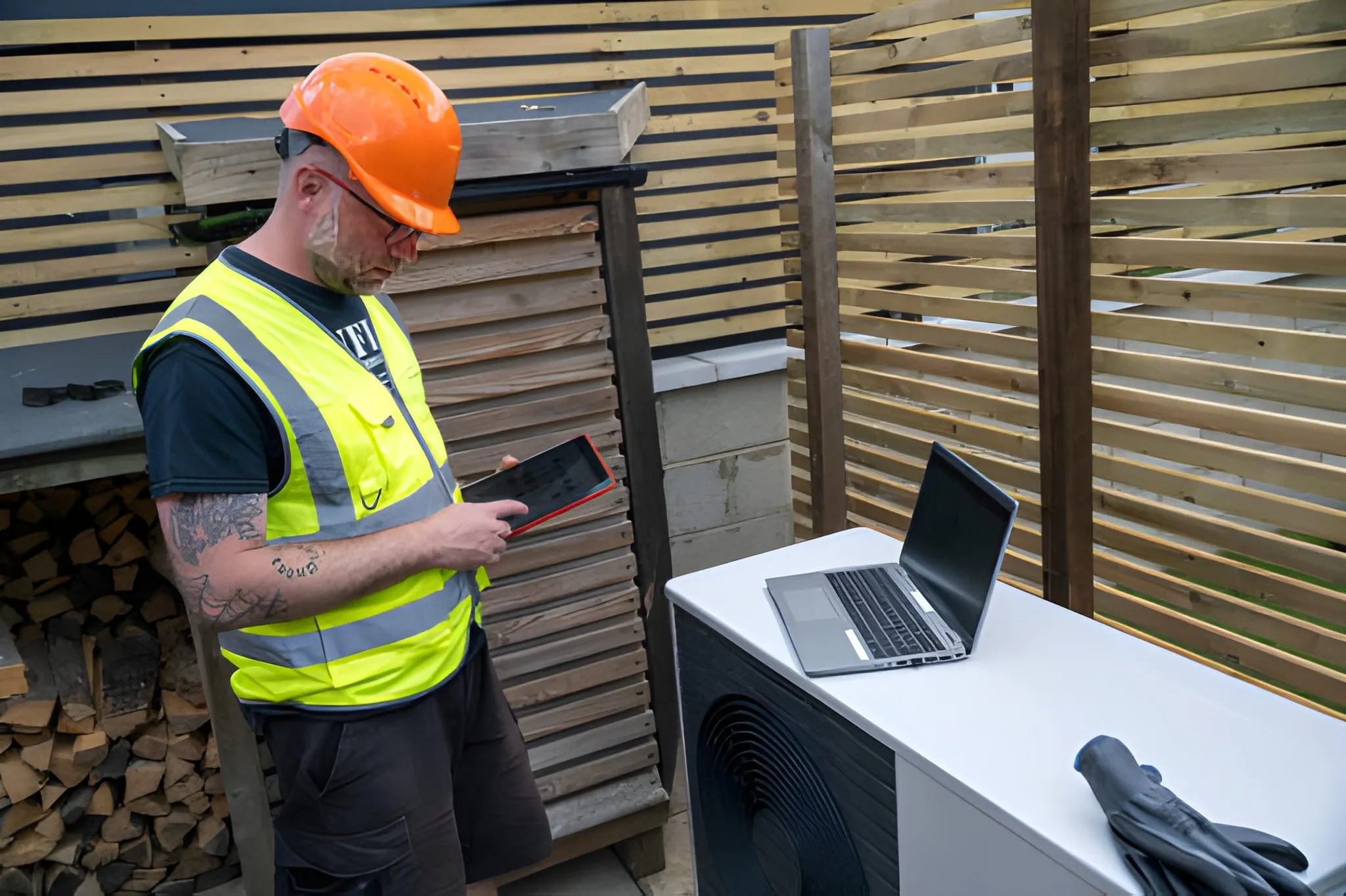
A structured diagnostic approach isolates the root cause so repairs are effective and economical. Typical diagnostic steps include:
- Visual inspection: check the outdoor and indoor units, electrical connections, filters, and airflow paths for obvious issues.
- Thermostat and control checks: verify thermostat calibration, settings, and control continuity to rule out control issues.
- Electrical testing: measure voltage, amp draw, and test capacitors, contactors, and relays for proper function.
- Refrigerant check: use gauges to measure system pressures and look for signs of leaks or improper charge.
- Component isolation: test the compressor, reversing valve, defrost controls, and reversing valve operation to identify mechanical faults.
- System performance test: run the unit through heating/cooling cycles while monitoring temperatures and pressures to confirm diagnosis.
Technicians in Princeton typically document findings and explain whether a repair, part replacement, refrigerant recharge, or full system replacement is the most practical option based on age and efficiency.
Typical parts replaced during heat pump repair
Repair work often focuses on the components that most commonly fail from wear or electrical stress. Typical replacements include:
- Compressors: central to refrigerant circulation; failures often require major repair or replacement
- Capacitors: start and run capacitors can fail and cause motor start issues
- Contactors and relays: control high-voltage switching and are common failure points
- Reversing valves: responsible for switching between heating and cooling modes
- Fan motors and blower assemblies: wear from constant operation or debris
- Expansion devices and metering components: affect refrigerant flow and system balance
- Thermostats and control boards: modern systems rely on electronic controls that can malfunction
When refrigerant leaks are found, the leak must be repaired before recharge. On systems using older refrigerants, technicians evaluate compatibility and legal/regulatory constraints for replacement refrigerants.
Emergency repair availability and what qualifies
In Princeton, extreme temperatures make timely response essential. Emergency conditions typically include:
- Complete loss of heat during freezing conditions
- Electrical sparking, burning smell, or tripped breakers tied to the HVAC system
- Major refrigerant leak with system failure and performance collapse
Emergency repair services prioritize safety risks and severe comfort failures. Response options may include after-hours diagnostics and temporary repairs to stabilize the system until permanent parts arrive.
Expected repair timelines and cost factors
Repair time depends on diagnosis complexity, parts availability, and system accessibility. Typical timelines:
- Minor electrical or component replacements: same-day to 24 hours if parts are in stock
- Refrigerant leak repair and recharge: 1 to 2 days including leak detection and repair
- Major compressor replacement or multi-component repairs: 1 to 3 days, possibly longer if specialized parts are needed
Cost factors that affect repair estimates:
- Age and model of the heat pump (older units may require discontinued parts)
- Type of refrigerant and whether conversion or special handling is needed
- Accessibility of units (rooftop or tight crawl spaces increase labor)
- Seasonal demand (peak heating or cooling seasons can increase lead times and prices)
- Extent of damage (single component vs. systemic issues)Technicians typically provide a written estimate that outlines parts needed and labor hours so homeowners can weigh repair versus replacement.
Warranty and parts information
Understanding warranties protects your repair investment. Common warranty considerations include:
- Manufacturer warranties: may cover compressors, parts, or the entire unit for set periods; verify with serial numbers and warranty documents
- Parts warranties: aftermarket parts often carry their own limited warranty periods
- Labor warranty: many repairs include a limited labor warranty for the work performed
- Void conditions: improper maintenance, DIY repairs, or using non-approved parts can void manufacturer coverage
When possible, OEM parts are recommended to maintain warranty integrity and system compatibility. Technicians typically note warranty implications before performing work.
How scheduling and service appointments typically work
Scheduling a heat pump repair in Princeton, KS generally follows straightforward steps designed to prioritize safety and speed:
- Provide basic information: address, unit make/model (if known), and a brief description of symptoms
- Share availability windows: technicians often provide arrival windows to accommodate drive times in rural areas
- Diagnostic expectations: most service visits begin with a thorough diagnostic; a diagnostic fee may apply and is often credited toward repair if accepted
- Parts and timeline communication: if parts must be ordered, technicians explain expected lead times and interim options, such as temporary fixes or using approved replacement parts
- Emergency requests: priority scheduling is available for conditions that pose health or safety risks or occur during severe weather
Customer Testimonials
Service Areas