Heat Pump Replacement in Princeton, KS
Heat pump replacement in Princeton, KS with All Seasons Air Conditioning and Heating offers improved year-round comfort and energy efficiency by addressing aging components, undersized systems, and performance declines. We outline when replacement makes sense, including frequent breakdowns, rising bills, and cold-weather limitations, followed by a methodical evaluation, right-sizing, and a plan for efficient installation. We compare high-efficiency models, discuss removal and disposal, outline a typical installation timeline, financing options, projected energy savings, and the importance of commissioning and warranty documentation for lasting performance.
Heat Pump Replacement in Princeton, KS
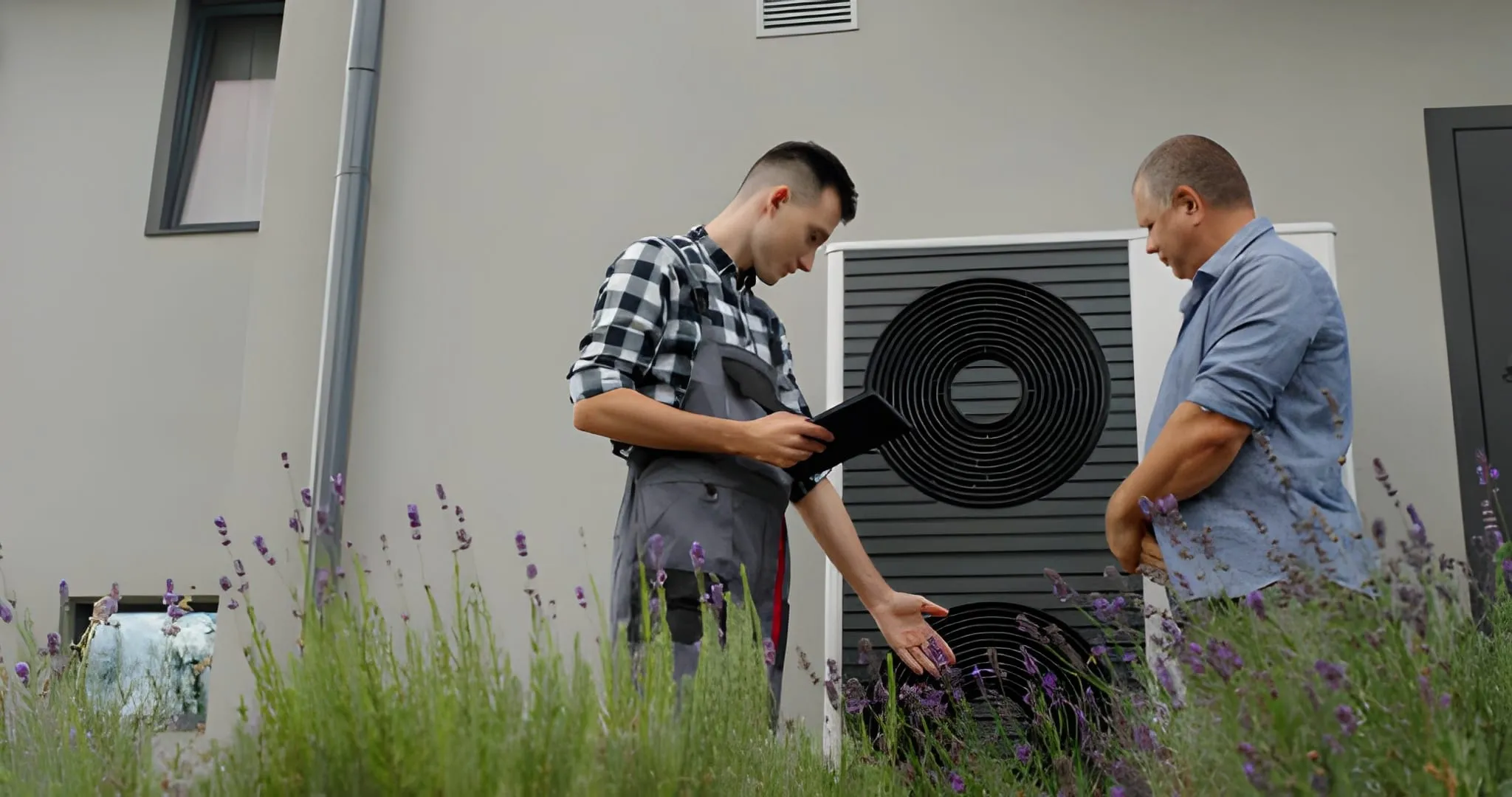
Upgrading your heat pump is one of the most impactful decisions you can make for year-round comfort and energy efficiency in Princeton, KS. With cold winters, humid summers, and occasional temperature swings, an aging or undersized heat pump can mean higher energy bills, uneven indoor temperatures, and frequent repairs. This page explains when replacement makes sense, how a professional replacement is planned and executed, and what benefits you should expect from the right high-efficiency system for your Princeton home.
Why replace instead of repair: common signs in Princeton homes
Replacing a heat pump is often the smarter path when ongoing problems reduce efficiency and reliability. Watch for these indicators:
- Frequent breakdowns or rising repair frequency — repeated compressor, reversing valve, or control board failures typically point to end-of-life.
- System age — most traditional heat pumps operate 10 to 15 years; performance and parts availability decline after that.
- (link: url of external page, text: Poor heating performance in cold snaps) — Kansas winters can expose limitations of older or incorrectly sized units.
- Sharp increases in energy bills — reduced efficiency, oil or refrigerant leaks, and worn components raise operating costs.
- Uneven comfort and short cycling — undersized units or mismatched ductwork cause rapid on/off cycles and hot/cold spots.
- R-22 refrigerant equipment or environmental concerns — older refrigerants are phased out and more costly to service.
Comprehensive evaluation and right-sizing
A successful replacement begins with a methodical evaluation of your home and heating needs. Key steps include:
- Load calculations (Manual J) — accurate heating and cooling load calculations determine the correct capacity. Right-sizing prevents short cycling, excess humidity, and premature wear.
- Ductwork and airflow inspection — leaks, poor insulation, or undersized ducts reduce efficiency. Sealing and modification options are reviewed when necessary.
- Electrical and site assessment — verify amperage, breaker capacity, and proper outdoor unit placement for airflow and service access.
- Comfort goals and budget considerations — discuss desired indoor temperatures, noise preferences, and long-term operating cost priorities.
Comparing high-efficiency models for Princeton, KS
Not all heat pumps are equal, especially in Kansas climate conditions. Key model features to compare:
- Cold-climate air-source heat pumps — optimized compressors and refrigerants for reliable heating performance below freezing; valuable for cold Kansas winters.
- Inverter-driven variable-speed compressors — provide smoother temperature control, better humidity management, quieter operation, and higher seasonal efficiency.
- Ductless mini-split options — excellent for room additions, older homes with poor ductwork, or zoned comfort solutions.
- Efficiency ratings — look at HSPF and SEER ratings for heating and cooling efficiency. Higher ratings yield bigger long-term savings.
- Noise levels and casing design — important for units near bedrooms or property lines.
- Warranty and serviceability — evaluate manufacturer warranties on compressors and parts in conjunction with local service support.
Removal and responsible disposal of old equipment
Safe, compliant removal protects your property and the environment:
- EPA-compliant refrigerant recovery — certified technicians recover and document refrigerant removal to prevent emissions and comply with regulations.
- Recycling and disposal — metals, electronic components, and refrigerant-containing parts are recycled or disposed of per state and federal rules.
- Site cleanup — technicians remove debris, patch minor penetrations, and leave the installation area clean and safe.
Installation timeline and what to expect in Princeton
A professional replacement aims to minimize disruption while ensuring quality:
- Pre-install planning — site survey, permitting needs, and a finalized parts list are confirmed before the install date.
- Typical timeline — most residential replacements are completed within one to three days depending on duct modifications, permit inspections, and complexity.
- Permit and inspection coordination — local code compliance and final municipal or third-party inspections may be required.
- On-site communication — installers will review changes to ductwork, thermostat location, and outdoor unit siting to ensure optimal performance.
Cost considerations and financing options (overview)
Replacement cost depends on system capacity, efficiency level, ductwork work, and installation complexity. While exact figures vary, these are the main cost drivers:
- System size and efficiency rating
- Type of unit (air-source, cold-climate, ductless)
- Ductwork repairs or modifications
- Electrical upgrades or added permits
- Warranty and labor coverage
Several financing avenues commonly available include energy-efficiency loans, payment plans through HVAC providers, and local or utility incentive programs. Discussing options up front helps align the system choice with both comfort goals and monthly budget expectations.
Projected energy savings and long-term benefits
Replacing an older heat pump with a modern, high-efficiency system typically delivers:
- Lower energy bills — modern units with higher HSPF/SEER can significantly reduce seasonal heating and cooling costs.
- More consistent comfort — improved airflow, variable speeds, and precise controls reduce hot/cold spots.
- Better humidity control — particularly helpful during Princeton’s humid summer months.
- Quieter operation and reduced maintenance — newer compressors and fan designs run more quietly and require less frequent repairs.
- Increased home value and marketability — updated HVAC systems are attractive to buyers and appraisers.
Savings vary by home size, existing system efficiency, insulation levels, and operation habits, but properly right-sized and installed systems consistently outperform older units.
Post-installation testing, commissioning, and warranty
A quality replacement includes full commissioning to ensure the system operates as intended:
- Performance testing — airflow balancing, refrigerant charge verification, electrical checks, and thermostat calibration.
- System walk-through — technicians review operational modes, filter locations, and recommended maintenance routines.
- Warranty documentation — manufacturer and labor warranties are explained and registered when applicable. Understanding what each warranty covers and duration of coverage is critical.
- Maintenance schedule — an annual tune-up and seasonal filter changes preserve efficiency and protect warranty eligibility.
Customer Testimonials
Service Areas