Heat Pump Service in Lawrence, KS
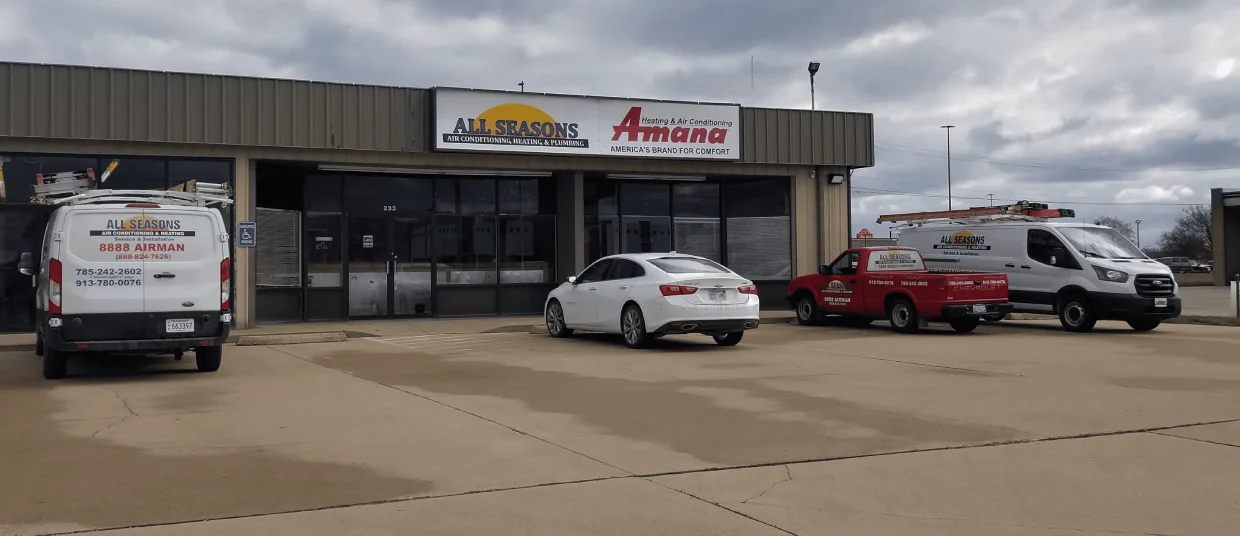
For comprehensive heat pump service in Lawrence, KS, All Seasons Air Conditioning and Heating focuses on proactive diagnostics, timely repairs, seasonal tune-ups, and straightforward replacement guidance. We understand the local challenges like humidity, temperature swings, pollen, and storms, and our systematic inspection process covers everything from history review to performance verification. We also detail common repair options, replacement considerations, preventative maintenance, and transparent pricing. By prioritizing root-cause resolution and customer education, we aim to maximize reliability, efficiency, and comfort year-round for your homes and light-commercial spaces.
Heat Pump Service in Lawrence, KS
A well-maintained heat pump keeps your home or light-commercial space comfortable year round in Lawrence, KS. With hot, humid summers and cold, occasionally icy winters, heat pumps must handle wide temperature swings and humidity shifts. Quality Heat Pump Service in Lawrence, KS focuses on reliable diagnostics, timely repairs, seasonal tune-ups, and clear replacement guidance that reduces breakdown risk, improves efficiency, and extends equipment life.
Why timely heat pump service matters in Lawrence, KS
Lawrence homes and businesses face distinct challenges that affect heat pump performance:
- Hot, humid summers increase cooling load and strain outdoor units.
- Cold snaps and freeze thaw cycles can stress defrost and controls.
- Spring pollen, dust from nearby Flint Hills, and tree debris clog coils and filters, reducing airflow and efficiency.
- Severe storms and power surges can damage outdoor condensers and electrical components.Addressing these local factors with targeted maintenance and fast repairs prevents costly failures during peak seasons.
Common heat pump issues in Lawrence, KS
Homeowners and light-commercial operators typically see a consistent set of failure modes. Common heat pump issues in Lawrence, KS include:
- Loss of heating or cooling capacity
- Short cycling or frequent on off cycles
- Icing on outdoor coil or excessive defrost activity
- Unusual noises: grinding, rattling, or squealing
- Weak airflow from vents or hot and cold spots
- High energy bills despite normal use
- Refrigerant leaks and low charge
- Electrical failures: blown fuses, tripped breakers, failed capacitors or contactors
- Thermostat or control communication problems
Diagnostic approach: what a professional inspection includes
A systematic diagnostic process reveals root causes efficiently and supports accurate estimates:
- System history and symptom review: Ask about when the problem started and any recent events like storms or service.
- Visual inspection: Check outdoor unit cabinet, coil condition, fan blades, and obvious mechanical damage.
- Safety and electrical checks: Measure voltage, amperage, inspect wiring and controls, and verify safe operation of disconnects and breakers.
- Refrigerant and pressure testing: Check pressures, temperatures, and use leak detection when charge is low.
- Airflow and duct assessment: Measure static pressure and airflow, inspect filters, registers, and duct joints where accessible.
- Component testing: Evaluate compressor health, reversing valve, capacitors, motors, and control boards.
- Performance verification: Run heating and cooling cycles, measure supply and return temperatures, and confirm defrost operation in cold conditions.
Diagnostics come with clear findings and an itemized explanation of recommended repairs or maintenance steps so you can decide with confidence.
Repairs and solutions explained
Repairs address the specific component or system failure while preserving system efficiency:
- Refrigerant leak repair and recharge: Locate and repair leaks, evacuate, vacuum, and recharge to correct factory or optimal charge.
- Compressor service: Replace or rebuild compressors when overheating or mechanical failure is detected.
- Electrical component replacement: Swap failed capacitors, contactors, relays, and control boards that cause startup or running failure.
- Fan motor and blower repairs: Repair or replace outdoor fan motors and indoor blower motors to restore proper airflow.
- Reversing valve and defrost control fixes: Restore reliable heating mode and defrost timing to prevent icing during Kansas winters.
- Coil cleaning and fin straightening: Remove pollen, dust, and debris that limit heat transfer and efficiency.
- Duct and airflow improvements: Seal duct leaks, replace filters, and balance systems for consistent comfort.
Repairs are performed following safety protocols and tested after completion to confirm corrected operation.
Replacement consultations and system upgrades
When repair is not the best long-term option, a replacement consultation helps you compare sensible choices:
- Sizing review: Properly size replacement equipment for local climate and building load, not just square footage.
- Type selection: Discuss ducted versus ductless mini split options, single speed versus variable speed inverter technology for improved comfort and efficiency.
- Efficiency considerations: Compare HSPF and SEER ratings and how higher efficiency models affect operating costs in Lawrence summers and winters.
- Integration and controls: Options for smart thermostats, zoning, and compatibility with existing ductwork or hydronic systems.
- Site considerations: Evaluate outdoor unit placement to reduce storm exposure, ensure airflow and service access, and comply with local codes.
- Warranty and lifecycle expectations: Explain manufacturer warranties, typical lifespans under Lawrence climate stressors, and maintenance needs.
A transparent consultation outlines trade offs so property owners can choose the option that matches budget and performance goals.
Preventative maintenance and service agreements
Regular maintenance prevents many common failures and keeps systems running predictably:
- Seasonal tune ups: Spring cooling tune up and fall heating tune up include cleaning coils, checking refrigerant charge, testing electrical components, and calibrating controls.
- Filter and airflow program: Regular filter checks and replacements reduce strain and maintain indoor air quality.
- Service agreements: Planned maintenance programs typically include scheduled inspections, priority scheduling during peak seasons, and detailed service records that help with warranty claims and resale value.
- Documentation and reminders: Maintenance logs and service reminders keep systems protected through Lawrence temperature extremes.
Emergency response, transparent pricing, and customer support
Fast response during failures protects homes and businesses from uncomfortable conditions:
- Emergency service protocols: Procedures for rapid diagnosis, temporary solutions to restore function, and prioritized scheduling for critical situations.
- Transparent pricing and estimates: Itemized estimates after diagnosis outline parts, labor, and warranty coverage. Clear explanations of options help you weigh repair versus replacement.
- Warranty and follow up: Documentation of repairs, parts warranties, and post-service checks ensure accountability.
- Customer support procedures: Professional service includes clear communication, arrival windows, explanation of findings in plain terms, and written service reports for your records.
Customer Testimonials
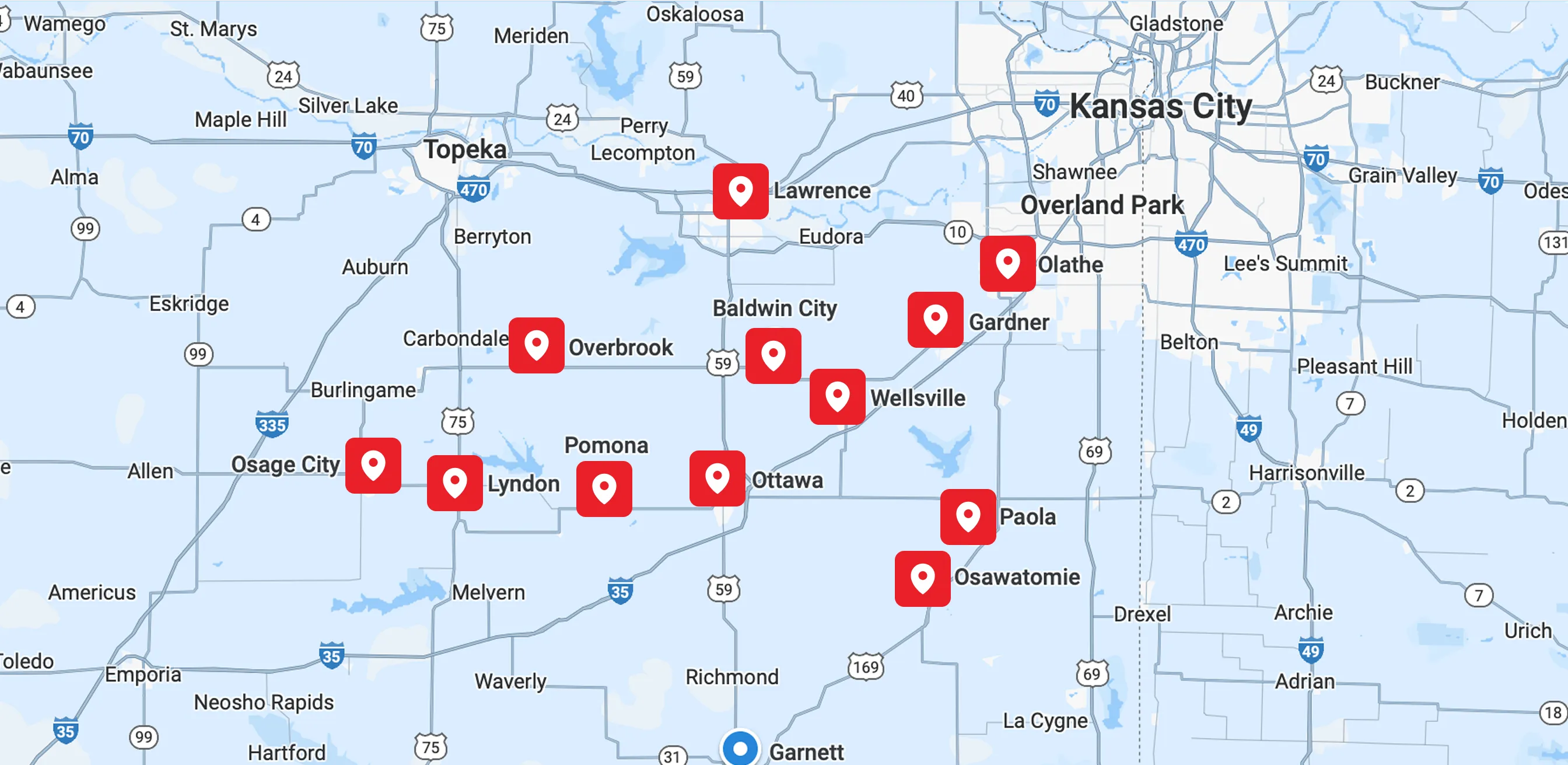
Service Areas