Heat Pump Tune-Up in Williamsburg, KS
All Seasons Air Conditioning and Heating provides a comprehensive overview of a standard heat pump tune-up in Williamsburg, KS, outlining why regular maintenance matters, common local issues, and the step-by-step checklist used by our technicians. We cover diagnostics to verify performance, potential repairs or upgrades, seasonal scheduling, and practical maintenance tips to extend equipment life. Readers will understand how a professional tune-up improves efficiency, reliability, and comfort while reducing energy costs during hot summers and cold winters in northeast Kansas.
.jpeg)
Heat Pump Tune-Up in Williamsburg, KS
Keeping your heat pump tuned and functioning is one of the most effective ways to protect comfort, lower energy costs, and extend equipment life in Williamsburg, KS. A professional heat pump tune-up focuses on performance verification and preventive maintenance so your system runs reliably through hot, humid summers and cold, changeable winters common to northeast Kansas. Below is a clear, expert overview of what a standard tune-up includes, common local issues, diagnostics performed, and sensible repair or upgrade recommendations.
Why a Heat Pump Tune-up Matters in Williamsburg, KS
Williamsburg homeowners face both high summer humidity and freezing winter nights. Heat pumps run year-round in many homes to provide heating and cooling, so regular tune-ups prevent minor problems from becoming costly failures during peak weather. Proper maintenance restores efficiency lost to dirt, loose electricals, refrigerant imbalance, or worn components — which translates to consistent comfort, fewer chilly nights, and lower utility bills.
Common Heat Pump Issues in Williamsburg Homes
- Reduced cooling or heating capacity after heavy pollen and spring storms leave coils dirty
- Frosting or excessive defrost cycles during winter because of refrigerant problems or poor airflow
- Short cycling caused by improper thermostat calibration or electrical faults
- High energy consumption from worn motors, dirty filters, or duct leaks
- Noisy operation due to loose fasteners, failing bearings, or damaged fan blades
- Uneven home temperatures from airflow or ductwork issues
Standard Heat Pump Tune-up Checklist
A full tune-up follows a systematic checklist to catch routine wear and performance losses. Typical items include:
- Thermostat calibration and operational check to confirm accurate setpoints and cycles
- Inspect and clean indoor and outdoor coils to restore heat transfer efficiency
- Clear and flush condensate drains and pans to prevent blockages and water damage
- Check refrigerant pressures and measure superheat/subcooling to identify leaks or undercharge
- Tighten electrical connections and inspect contactors, relays, and breakers for safe, reliable operation
- Test compressor and fan motor amperage draw to detect abnormal loads or motor wear
- Lubricate moving parts where applicable (motors and fan bearings) to reduce friction and noise
- Inspect reversing valve and defrost controls to ensure proper heating mode operation in cold weather
- Verify airflow and filter condition; measure supply/return temps and static pressure when needed
- Performance verification and temperature split check to confirm the system is delivering expected BTU transfer
- Document findings and recommended repairs or efficiency upgrades with clear explanations
Diagnostics and Performance Verification
A tune-up goes beyond visual checks. Technicians perform tests that confirm safe, efficient operation:
- Measure supply and return air temperatures to calculate the temperature split and estimate capacity
- Record refrigerant pressures and calculate superheat/subcooling to determine charge accuracy
- Measure current draw on compressor and fan motors to reveal electrical stress or imminent failures
- Check airflow and static pressure to find duct restrictions or blower issues
- Run the unit through heat and cool cycles, including a defrost cycle, to validate controls and reversing valve performance
These diagnostics let a technician provide concrete findings and prioritize repairs that will restore efficiency and reliability.
Repairs and Upgrades Often Recommended
During a tune-up, common corrective actions and upgrades may be suggested to restore or improve system performance:
- Repair refrigerant leaks and bring the system to correct charge for consistent heating/cooling
- Replace failing capacitors, contactors, or relays that cause startup issues or reduced reliability
- Upgrade to a high-efficiency thermostat or a smart thermostat for better zoning and energy control
- Replace filters and clean or repair ductwork to improve airflow and indoor air quality
- Recommend variable-speed blower motors or newer compressor technology when long-term efficiency gains justify investment
- Seal and insulate accessible ductwork to reduce heat loss and improve comfort
Each recommendation is usually prioritized by safety, immediate reliability, and long-term efficiency gains.
When to Schedule and Seasonal Availability
In Williamsburg, the best practice is to schedule tune-ups seasonally: once in early spring before the cooling season and once in early fall before heating demand rises. This two-times-per-year approach is ideal for heat pumps that operate nearly year-round because it prepares the system for the heavy-use periods and catches seasonal debris or wear.
Availability typically tightens ahead of extreme weather: late spring for cooling and late fall for heating. Scheduling during shoulder seasons improves technician availability and reduces the risk of breakdowns during heat waves or cold snaps.
Benefits and Practical Maintenance Tips
A professional tune-up delivers measurable benefits: improved efficiency, fewer emergency repairs, longer equipment life, steadier indoor temperatures, and safer electrical operation. For homeowners who want to help between professional visits:
- Replace or clean filters every 1–3 months depending on use and indoor air quality
- Keep outdoor unit area clear of leaves, grass, and debris for several feet around the cabinet
- Monitor system performance: note unusual noises, longer run times, or fluctuating temperatures and record them for the technician
- Keep thermostat settings consistent and avoid large setpoint swings that force short cycling
A properly tuned heat pump is quieter, more reliable, and less expensive to operate. For Williamsburg, KS homes where humidity, pollen, and seasonality challenge HVAC systems, a thorough tune-up is a practical, confidence-building step to protect comfort and investment.
Customer Testimonials
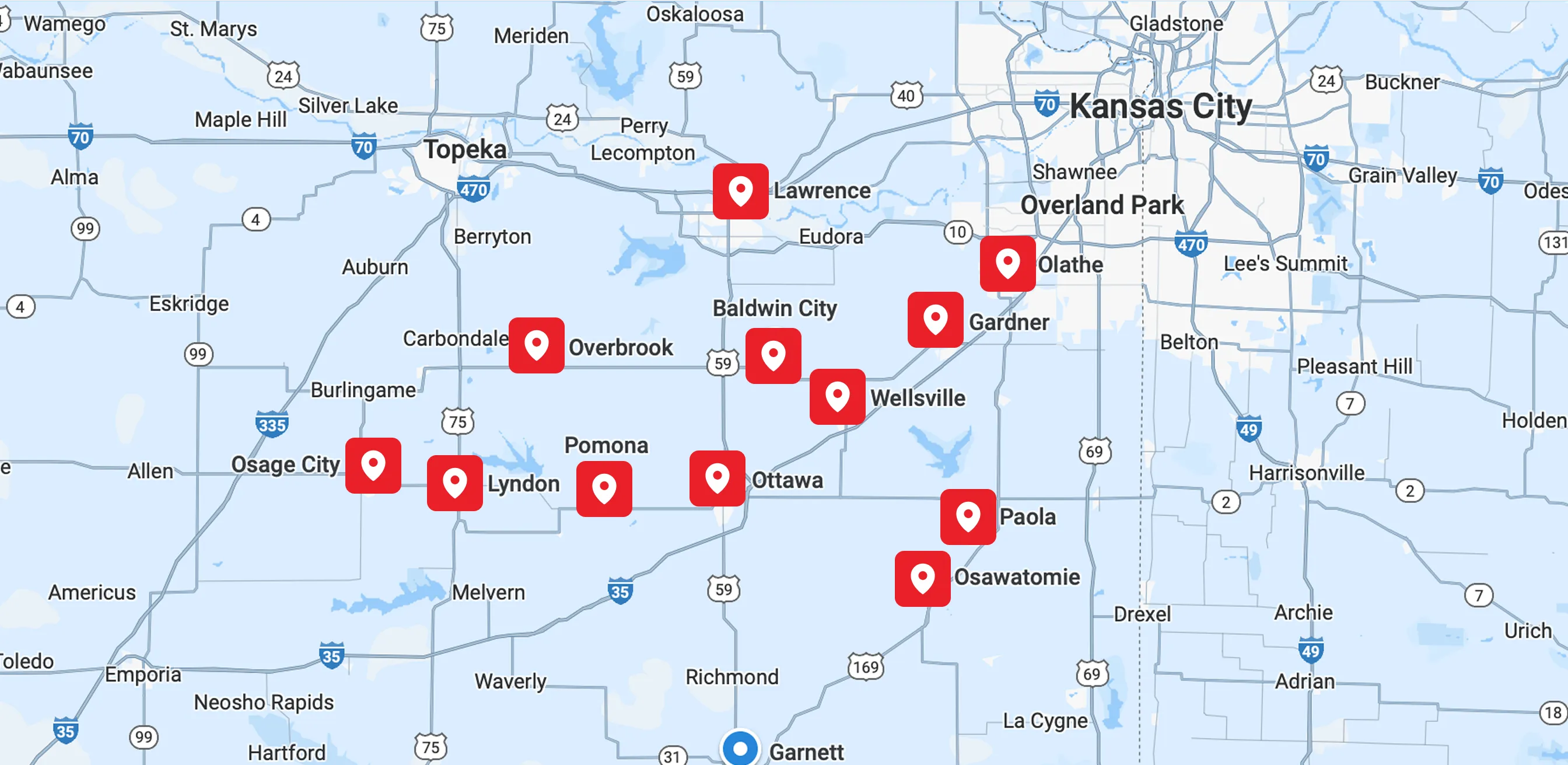
Service Areas