Furnace Repair in Gardner, KS
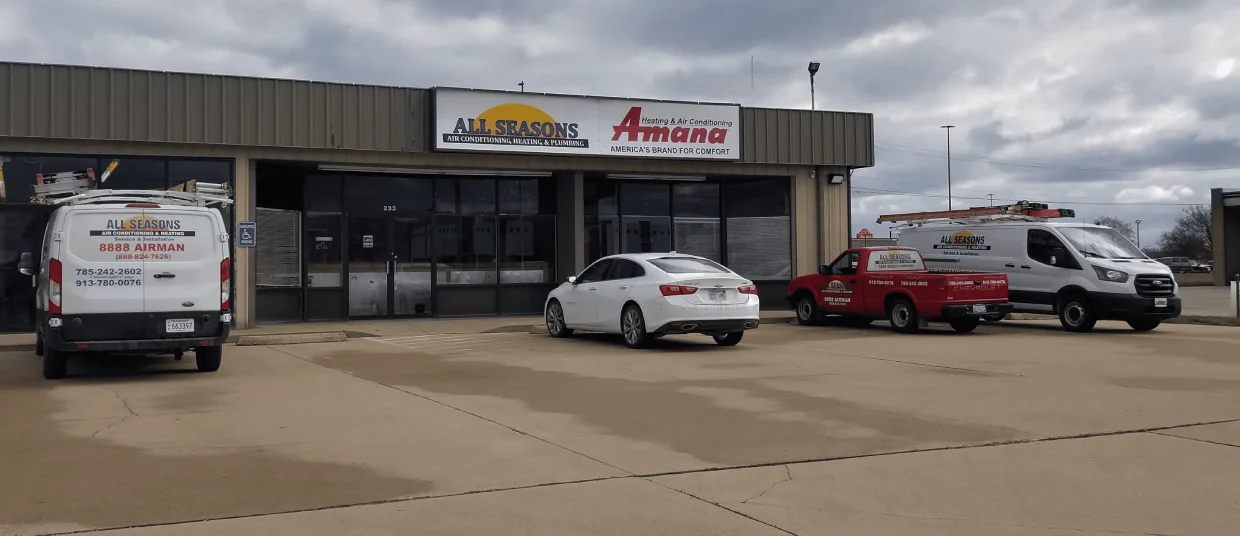
The All Seasons Air Conditioning and Heating furnace repair guide for Gardner, KS, outlines common failure symptoms, on-site diagnostic steps, and typical fixes for residential systems. We distinguish emergency from scheduled repairs, explain safety priorities, and set expectations for response times during cold months. Our guide lists common parts and repairs, notes technician qualifications and manufacturer standards, and describes pricing transparency, warranties, and post-repair care. We emphasize safety, clear communication, and long-term reliability to help Gardner homeowners maintain warm, energy-efficient heat throughout the winter.
-min.webp)
Furnace Repair in Gardner, KS
A reliable furnace is essential for Gardner, KS homes, especially through freezing Midwest winters and late-season cold snaps. Whether you have an older Amana system or a newer make, emergency and scheduled furnace repair services protect your family from unsafe conditions, high energy bills, and avoidable breakdowns. This page explains common failure symptoms, on-site diagnostic steps, typical parts and fixes, technician qualifications, response expectations, pricing transparency, warranty and follow-up policies, and what to expect after a repair.
Common furnace repair issues in Gardner, KS homes
- Intermittent or no heat: Furnace starts but then shuts off, or fails to light. Often caused by ignition, gas valve, or control board faults.
- Weak or uneven airflow: Warm rooms and cold rooms indicate blower motor issues, clogged filters, closed/blocked vents, or duct leaks aggravated by older ductwork in local homes.
- Loud or unusual noises: Rattling, squealing, or banging can signal failing blower bearings, loose panels, or delayed ignition.
- Short cycling: Furnace cycles on and off frequently, increasing wear. Common causes include clogged filters, improper airflow, thermostat problems, or a failing limit switch.
- High utility bills: Loss of efficiency from dirty burners, failing heat exchanger, or worn components leads to higher gas usage during Gardner’s long heating season.
- Pilot/ignition problems: Older pilot assemblies or modern hot surface ignitors and direct spark igniters can fail, preventing ignition.
- Odor or visible soot: Could indicate combustion issues or a cracked heat exchanger. Any smell of gas or presence of soot is treated as an emergency.
- Carbon monoxide (CO) concerns: Broken heat exchangers or blocked flues can allow CO into the home. CO alarm activation requires immediate attention.
Emergency vs scheduled furnace repairs
- Emergency repairs: No heat during extreme cold, the smell of gas, CO alarm activation, or visible flames or soot. These situations pose safety risks and require immediate service.
- Scheduled repairs: Performance decline, strange noises, thermostat inconsistencies, or rising fuel costs. Addressing these early prevents emergency failures during freezing weather.
Emergency interventions prioritize safety: technicians secure gas and power, ventilate if needed, and take immediate measures to stabilize the system before performing diagnostic repairs.
On-site diagnostic procedures
- Safety first: Verify ventilation, check for gas leaks, read CO detector levels, and, if necessary, shut down the system for safety.
- Visual inspection: Examine burners, heat exchanger, flue, vent terminations, wiring, and cabinet components for obvious signs of damage or wear.
- Filters and airflow: Inspect and measure airflow, check filter condition, examine return grilles and supply registers.
- Ignition and combustion checks: Test hot surface ignitors or pilot systems, inspect flame patterns, and perform combustion analysis on high-efficiency systems to confirm safe operation.
- Electrical and control testing: Use multimeter and diagnostic tools to test control boards, limit switches, relays, and thermostat signals.
- Gas pressure and valve check: Confirm proper gas supply and pressure to the furnace, and test the gas valve and safety switches.
- Duct and vent assessment: Inspect visible ducts for disconnections, leaks, or insulation issues that reduce delivered heat.
- Diagnostic report: Technicians provide a clear assessment of failures, required repairs, parts, and expected outcomes before any work begins.
Typical parts and fixes
- Flame sensor cleaning/replacement: A common, low-cost fix for ignition problems where the furnace lights but then shuts down.
- Ignitor replacement: Hot surface ignitors wear out over time and are a frequent cause of no-heat calls.
- Control board repair/replacement: Modern furnaces rely on electronic control boards; failures can cause erratic behavior.
- Blower motor and capacitor services: Noisy operation or weak airflow is often resolved by replacing motors, bearings, or capacitors.
- Pressure switch, inducer motor, and venting adjustments: Issues in the combustion air path can trigger safety lockouts and must be corrected.
- Gas valve and regulator repairs: Necessary when the furnace will not receive or regulate fuel correctly.
- Limit switch replacement: Prevents overheating and short cycling when faulty.
- Heat exchanger concerns: Cracked or deteriorated heat exchangers pose safety risks. Repair options are limited; in many cases replacement of the furnace is recommended for long-term safety and compliance.
- Condensate and drain fixes (for high-efficiency units): Clear traps and replace faulty pumps or sensors that cause shutdowns.
Technicians experienced with Amana and other major brands will match OEM parts or approved equivalents, and can identify when a repair is a short-term fix versus when replacement is the safer, cost-effective solution.
Technician qualifications and professionalism
Technicians working on furnaces in Gardner, KS should be EPA-certified and trained on combustion safety and refrigerant handling where applicable. Many local technicians hold factory training on Amana products, Comfort Advisor or industry certificates, and varying degrees in HVAC disciplines. Qualified technicians perform licensed gas work, document safety checks, and follow manufacturer service specifications to protect warranties and ensure safe operation in local homes.
Response times and scheduling expectations
Emergency service availability is important in Gardner’s cold months. Emergency calls receive prioritized response for safety issues such as no heat, gas leaks, or CO alarms. Non-emergency repairs are typically scheduled within a short window to keep systems operating reliably through the heating season. Technicians come prepared with common replacement parts to resolve many problems on the first visit.
Pricing transparency, estimates, and warranties
Transparent repair practices include an upfront diagnostic assessment, a written estimate detailing parts and labor, and technician explanation of repair options and expected lifespan. Work is only performed after homeowner authorization. Warranties can include manufacturer coverage for replacement parts and a service warranty for labor—details vary by component and manufacturer. Routine maintenance plans further reduce unexpected failures and often include priority scheduling and discounted diagnostics or repair labor.
Follow-up and post-repair care
After repairs, reliable service providers run safety tests, verify proper airflow and cycling, and confirm combustion parameters where applicable. Technicians document completed work and provide guidance on filter maintenance, thermostat settings, and steps to prevent repeat calls—important for Gardner homes that face long heating seasons and temperature swings. Many providers offer follow-up checks or maintenance memberships to keep furnaces operating safely and efficiently year after year.
Keeping your furnace functioning reliably in Gardner, KS requires attention to safety, timely diagnostics, and technicians trained on the brands commonly found in local homes. Emergency readiness, clear estimates, safety-first procedures, and documented warranties create predictable outcomes when furnace failures occur.
Customer Testimonials
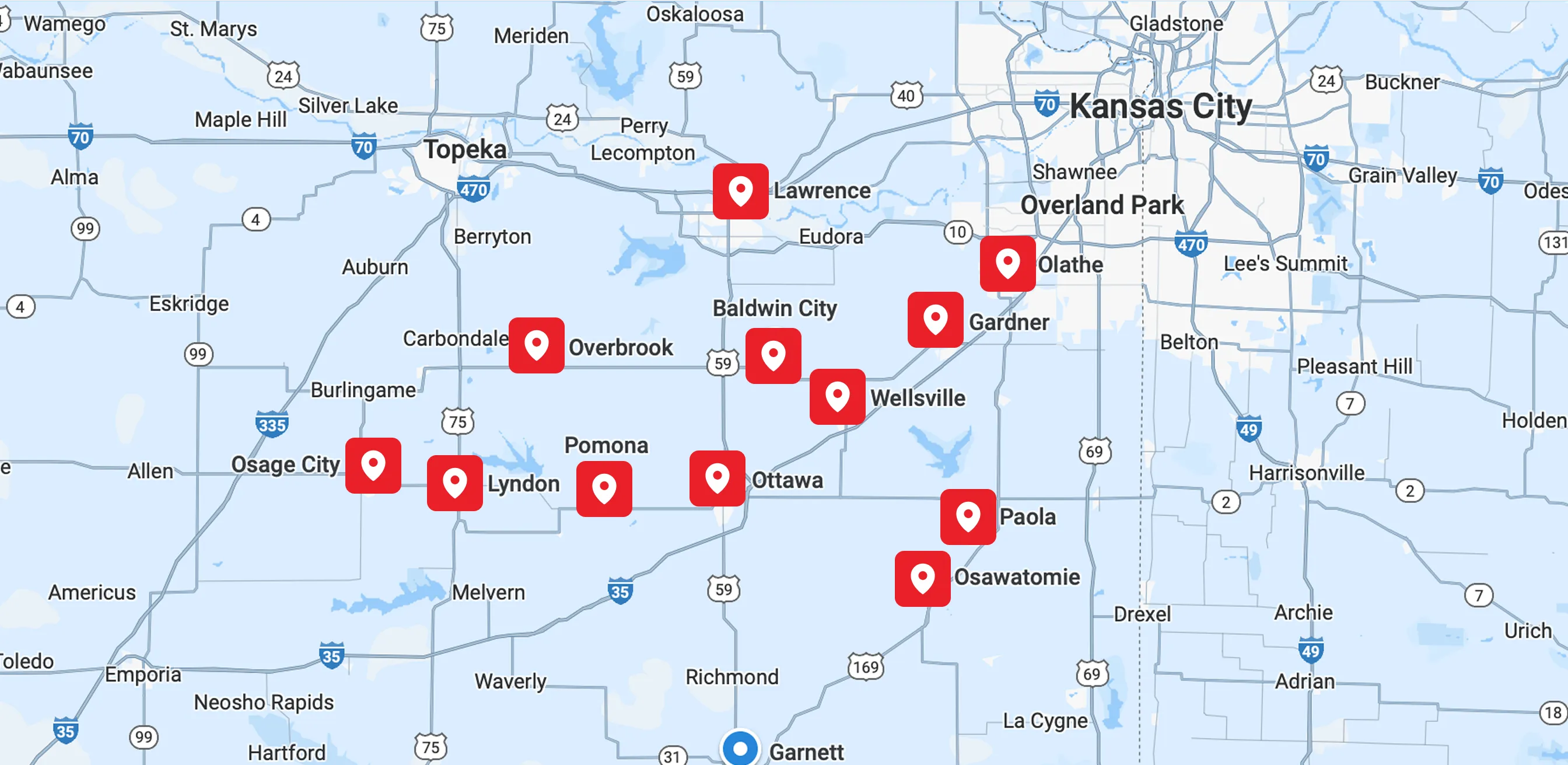
Service Areas