Furnace Repair in Overbrook, KS
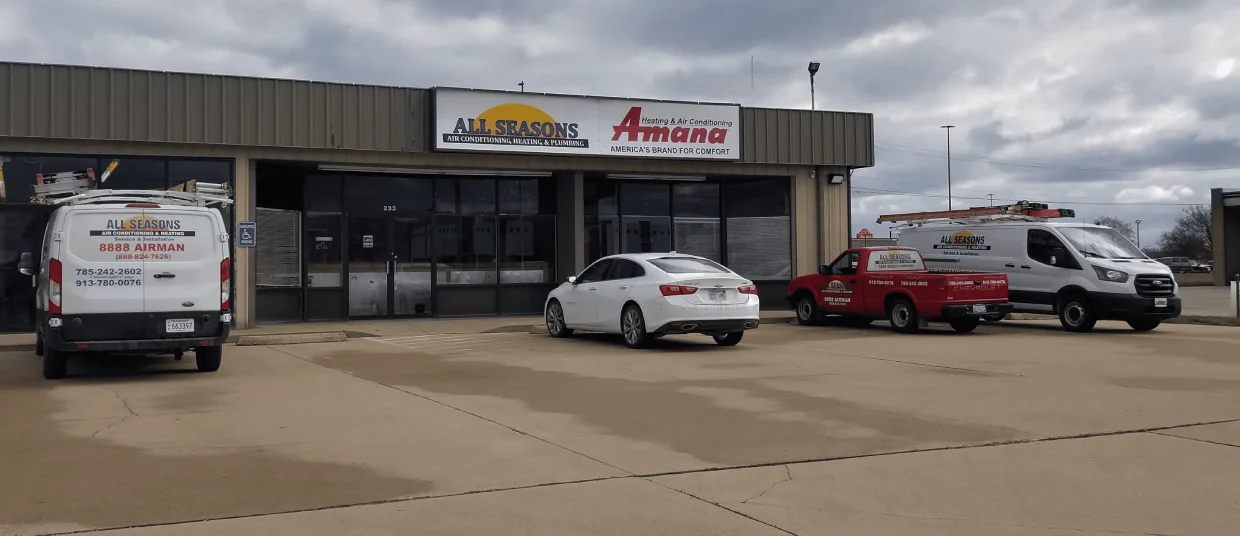
All Seasons Air Conditioning and Heating provides furnace repair in Overbrook, KS, offering a detailed, step-by-step approach to diagnosing and fixing heating system issues. We outline common symptoms such as intermittent heat, short cycling, unusual noises, and carbon monoxide concerns, along with our structured diagnostic steps, safe testing, and transparent estimates. We cover typical repair procedures, expected response times, warranty terms, and flexible scheduling options. Our emphasis is on safety, energy efficiency, and clear communication, providing written estimates, on-site diagnostics, and reliable, state-licensed technicians to deliver complete peace of mind.
Furnace Repair in Overbrook, KS
When your furnace struggles on a cold Overbrook night, you need clear information about what’s wrong and what it will take to fix it. Furnace Repair in Overbrook, KS covers diagnostic steps, common symptoms, typical repair procedures, expected response times, warranty expectations, and how on-site estimates are produced. Overbrook’s cold winters, wide temperature swings in shoulder seasons, and a mix of older and newer homes make prompt, reliable furnace service essential for safety, comfort, and energy efficiency.
Common furnace symptoms homeowners in Overbrook see
- Intermittent heating or no heat at all — often a sign of ignition, gas supply, or control issues.
- Furnace cycles on and off rapidly (short cycling) — frequently caused by airflow restrictions, dirty filters, or failing limit switches.
- Unusual noises (bangs, rattles, squeals) — can indicate failing blower motors, loose burner components, or delayed ignition.
- Yellow or flickering pilot light / flame changes — possible combustion or venting problems that require immediate attention.
- Increased utility bills with reduced output — inefficient combustion, clogged burners, or a cracked heat exchanger can raise fuel use.
- Visible rust, soot, or strong odors — signs of corrosion, improper combustion, or blocked vents.
- Carbon monoxide detectors alarm or symptoms of CO exposure — this is an emergency; do not operate the furnace until inspected by a qualified technician.
Diagnostic and troubleshooting steps
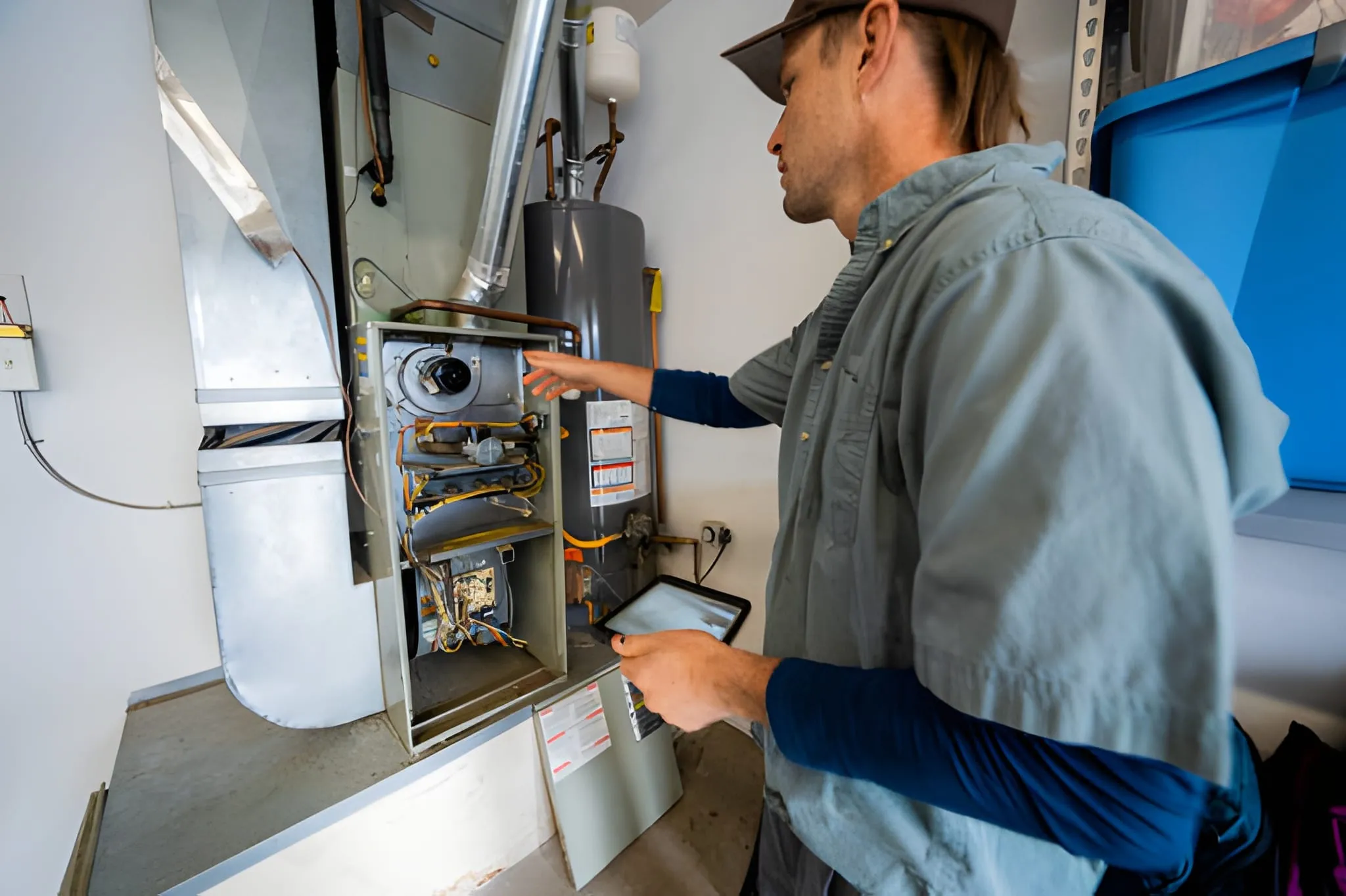
Technicians follow a structured diagnostic process to identify the root cause and recommend the right repair:
This sequence narrows down the issue and produces a written diagnosis and repair estimate. For consumer clarity, diagnostics will list recommended repairs with parts and labor separated when possible.
Typical repair procedures you’ll see
- Ignition systems (pilot or hot surface ignitor) — replace failed hot surface ignitors or repair pilot assemblies. Hot surface ignitor replacement is common in mid- to late-life furnaces; the task is usually completed in 1 to 2 hours.
- Burners and gas valves — clean or replace burners and adjust gas valve settings. Sooted or misaligned burners reduce efficiency and require tuning for safe combustion.
- Heat exchanger issues — inspections look for cracks or corrosion. Small repairs are rare; often a compromised heat exchanger requires replacement or system replacement recommendations because of safety risk (CO).
- Blower motors and belts — repair or replace failing motors, bearings, or belts to restore airflow. Blower repairs generally take 1 to 3 hours depending on accessibility.
- Thermostats and controls — recalibrate, repair wiring, or replace thermostats and control boards to resolve communication and cycling problems.
- Limit switches and safety controls — replace failed safety devices that prevent overheating or unsafe operation.
Each repair includes verification testing to confirm the system operates safely and efficiently.
Expected response times and emergency service availability
- Standard appointments: typically scheduled same-day or next business day depending on demand and parts availability.
- Emergency situations (no heat in freezing temperatures, confirmed CO leaks): prioritized for immediate or same-day response with technicians dispatched outside normal hours when necessary.
- Winter peak periods: response times can extend due to high demand; early scheduling and membership/maintenance plans can secure priority scheduling.
Technicians usually provide an appointment window and arrive with common replacement parts for faster repairs.
Parts and labor warranty information
Warranty coverage commonly includes:
- Manufacturer parts warranty — varies by part and brand; many replacement components carry 1 to 10 year manufacturer warranties.
- Service labor warranty — service providers typically offer limited labor warranties (for example, 30 to 180 days) on repairs they perform.
- Warranty conditions — warranties often require routine maintenance and proper installation; using OEM parts is usually necessary to maintain coverage.
Always request written warranty details on both parts and labor when you receive an estimate so you understand coverage periods, exclusions, and how warranty service is processed.
Flat-rate vs diagnostic-fee explanations
- Flat-rate pricing: a single, predefined price for a specific repair or replacement. Flat rates provide predictability and are common for standard tasks (e.g., replacing a hot surface ignitor).
- Diagnostic-fee model: you pay for the technician’s time and testing; the fee may be applied toward repairs if you proceed. This approach covers complex cases where the required work is unknown until diagnosis.
Both models have pros and cons; flat rates simplify budgeting, while diagnostic fees provide transparency for non-standard issues. Estimates should clearly state which model applies.
Technician qualifications and standards
Technicians servicing Overbrook furnaces typically hold:
- EPA certification for handling refrigerants where applicable and gas safety training for combustion appliances.
- Formal HVAC training or apprenticeships, continuing education, and OEM training on specific furnace brands.
- Professional standards: proper identification, uniform, background-checked when working in homes, and documented safety checks and test results after repair.
Expect technicians to explain findings in plain language, show failed parts when applicable, and provide written estimates.
Scheduling repairs, estimates, and timelines
When arranging a repair, be prepared to share:
- Make, model, and age of the furnace (if available), symptoms, and any error codes from the thermostat or control board.
- Home access details and preferred appointment windows.
On arrival, the technician performs diagnostics and provides a written estimate with parts, labor, warranty terms, and time-to-complete. Typical repair timelines: - Minor repairs (filters, ignitors, controls): 1 to 3 hours.
- Moderate repairs (blower motor, burner cleaning, control board): 2 to 6 hours.
- Major repairs or parts out of stock (heat exchanger, complete furnace replacement): may require ordering parts and scheduling a return visit; timelines vary based on part availability.
Benefits of timely furnace repair and maintenance
Prompt repairs restore comfort, improve safety, and reduce fuel waste. Addressing small issues early prevents larger failures during Overbrook’s cold spells. Regular maintenance extends equipment life, preserves warranties, and helps avoid emergency service calls during peak winter demand.
A clear diagnosis, transparent estimate, and qualified technician are the cornerstones of reliable furnace repair in Overbrook, KS. Proper documentation of the work and warranty details ensures you know what was done and how it is protected over time.
Customer Testimonials
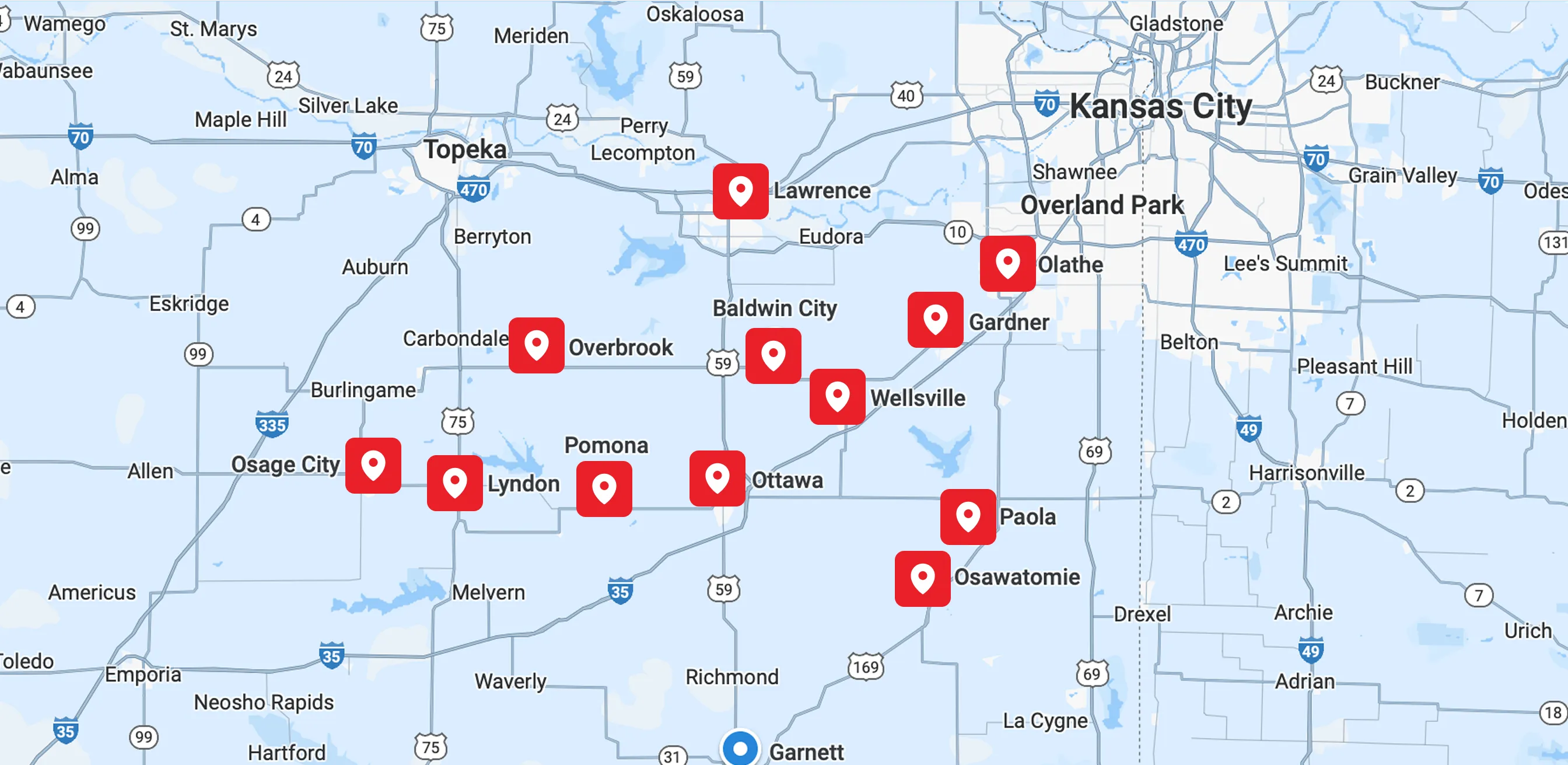
Service Areas