Heating Installation in Olathe, KS
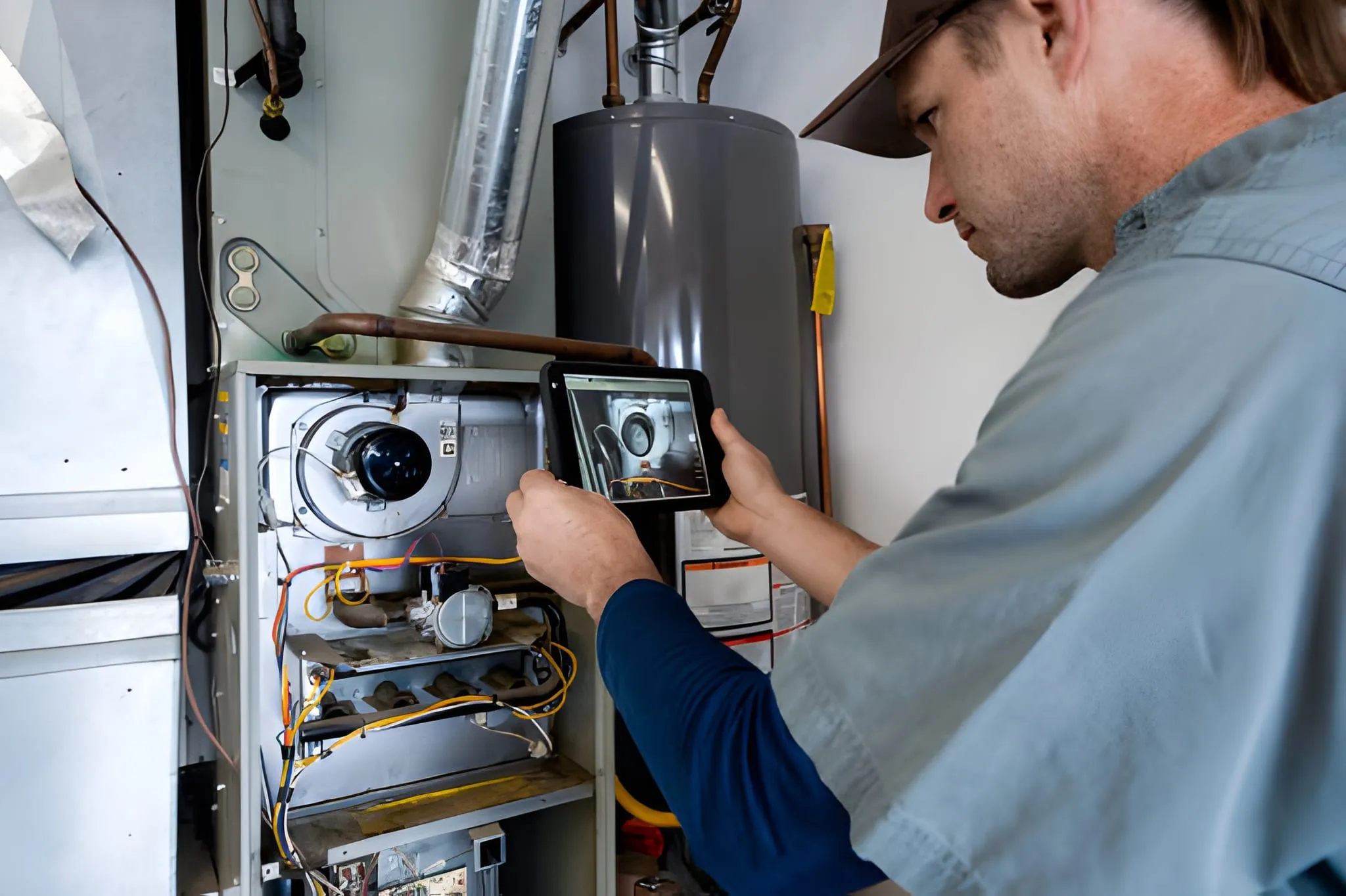
All Seasons Air Conditioning and Heating outlines a professional heating installation in Olathe, KS, from initial load calculations and site assessment to selecting equipment, obtaining permits, and commissioning. We cover common system types, potential installation challenges, and the importance of proper ductwork, venting, and safety checks. Our step-by-step procedures emphasize careful planning, code compliance, thorough testing, and clear client communication. By detailing post-install support, warranties, and maintenance recommendations, we demonstrate how a well-executed installation delivers consistent comfort and long-term value for our customers.
Heating Installation in Olathe, KS
A reliable, efficient heating system matters in Olathe, KS where cold winters and occasional subzero snaps make dependability and proper sizing essential. This page explains what to expect from a professional heating installation in Olathe, KS — from pre-install assessment and equipment options to permits, testing, thermostat setup, and post-install support. The goal is to help you make an informed decision and know what good workmanship looks like.
Why a proper installation matters in Olathe, KS
- Olathe winters demand consistent heat; an undersized or poorly installed system leads to uneven comfort, short cycling, and higher energy bills.
- Older homes in the area often have outdated ductwork or inadequate insulation, which affects system performance.
- Newer cold-climate heat pump technology is now a practical option here, but choosing the right solution requires accurate load calculations and site evaluation.
Common heating installation types and issues in Olathe, KS
- Gas furnaces (single-stage, two-stage, modulating) — most common choice for Kansas homes.
- Air-source heat pumps and cold-climate heat pumps — increasingly popular for efficiency and dual heating/cooling.
- Dual fuel systems that combine heat pump and gas furnace for efficiency in varying temperatures.
- Ductless mini-splits for additions, garages, or rooms without existing ductwork.
Common issues seen during replacement projects: - Oversized or undersized equipment due to missing load calculations.
- Leaky, undersized, or poorly insulated ductwork reducing delivered heat.
- Inadequate venting or unsafe combustion air pathways on conversions or replacements.
- Thermostats that do not match new system capabilities, preventing staged or modulating operation.
Pre-install assessment and load calculations
A trustworthy installation begins with a site visit and these key steps:
- Manual J load calculation to determine heating and cooling requirements based on square footage, insulation levels, window types, orientation, and occupancy.
- Manual D duct design review to evaluate existing ductwork, identify leaks, and size runs properly.
- Manual S equipment selection to match system capacity and features to the load and your priorities (efficiency, comfort, budget).
- Inspection for combustion safety, ventilation, and installation space constraints.
These calculations prevent oversizing and ensure efficient, comfortable operation in the local climate.
Recommended equipment types and brands
Equipment chosen should reflect your home, fuel availability, and long-term savings goals. Typical recommendations for Olathe homes include:
- High-efficiency gas furnaces with variable-speed blowers for quieter, more even heat and lower energy use.
- Cold-climate heat pumps or modern air-source heat pumps for year-round efficiency and reduced heating costs when paired with proper backup.
- Dual fuel systems when you want the efficiency of a heat pump with the reliability of a furnace during extreme cold.
- Ductless mini-splits for targeted comfort without ductwork modifications.
Brands commonly available and supported locally include established manufacturers known for durability and parts availability. Your installer should explain efficiency ratings (AFUE for furnaces, HSPF/SEER for heat pumps) and how they translate to operating cost in Olathe.
Step-by-step installation procedures
A professional installation typically follows this sequence:
- Final confirmation of equipment and materials after site assessment.
- Permit application and scheduling of required inspections with the City of Olathe or Johnson County building department.
- Site preparation: protect floors, clear access, and arrange equipment placement.
- Removal of old equipment, safe disposal, and preparation of gas, electrical, and duct connections.
- Mechanical installation: set furnace or outdoor unit, complete gas piping or refrigerant lines, duct modifications, venting and combustion air work as needed.
- Electrical connections, condensate drains, and safety devices installed per code.
- Insulation and sealing of duct transitions and access panels.
- System start-up, charge, and initial testing (see commissioning).
Installers should maintain a clean work area and explain any changes found during the project.
Permits and code compliance
- Local building permits and inspections are required for most heating system installations in Olathe.
- Gas line work, venting modifications, and refrigerant work must meet state and local codes.
- Technicians handling refrigerants should be EPA 608 certified, and combustion appliances require proper venting and carbon monoxide safety checks.
Compliance ensures safe operation and protects warranty coverage and home resale value.
Commissioning and performance testing
Proper commissioning confirms the system meets design expectations:
- Airflow and static pressure testing to verify duct performance and blower settings.
- Temperature rise testing for furnaces to ensure combustion and heat transfer are correct.
- Combustion analysis on gas appliances to confirm safe fuel-burning and venting.
- Refrigerant charge and superheat/subcooling checks for heat pumps.
- Leak tests for refrigerant and gas connections.
Technicians should document test results and explain the meaning and implications for performance.
Thermostat and control setup
Modern thermostats impact comfort and efficiency:
- Programmable and smart thermostats enable set-back schedules and remote control.
- Staging and communicating thermostats must be configured to match multi-stage furnaces or variable-speed systems so equipment operates as designed.
- Zoning controls can balance temperatures in multi-level or larger homes with uneven load distribution.
Proper setup improves comfort and can lower operating costs in Olathe’s variable climate.
Post-installation support and warranty information
- New systems typically include both manufacturer warranty and installer labor warranty. Review warranty terms, registration requirements, and what is covered.
- Documentation should include equipment model numbers, test reports, service instructions, and basic troubleshooting tips.
- Ongoing service plans and seasonal Tune-Ups extend equipment life and maintain efficiency; a maintenance schedule is recommended for every heating system.
Customer preparation and expectations
- Typical timeline: a standard furnace or heat pump replacement often completes in a day; complex jobs (duct redesign, structural changes) may require additional time.
- Prepare a clear path to equipment, secure pets, and ensure access to power.
- Expect an on-site walkthrough of system operation and basic maintenance tasks (filter changes, thermostat use) at job completion.
- Keep documentation and test reports in a safe place for future service or resale.
Long-term benefits of a quality installation
A correctly sized and installed heating system delivers:
- More consistent comfort throughout the home.
- Lower utility bills through improved efficiency and reduced cycling.
- Longer equipment life and fewer repairs when ducts and controls are right.
- Safer operation and compliance with local codes and inspections.
Heating installation in Olathe, KS requires careful evaluation, code compliance, and thorough commissioning to ensure a system that performs reliably through cold weather. A clear pre-install plan, matched equipment, and documented testing are the markers of a professional job that protects comfort, safety, and long-term cost of ownership.
Customer Testimonials
Service Areas